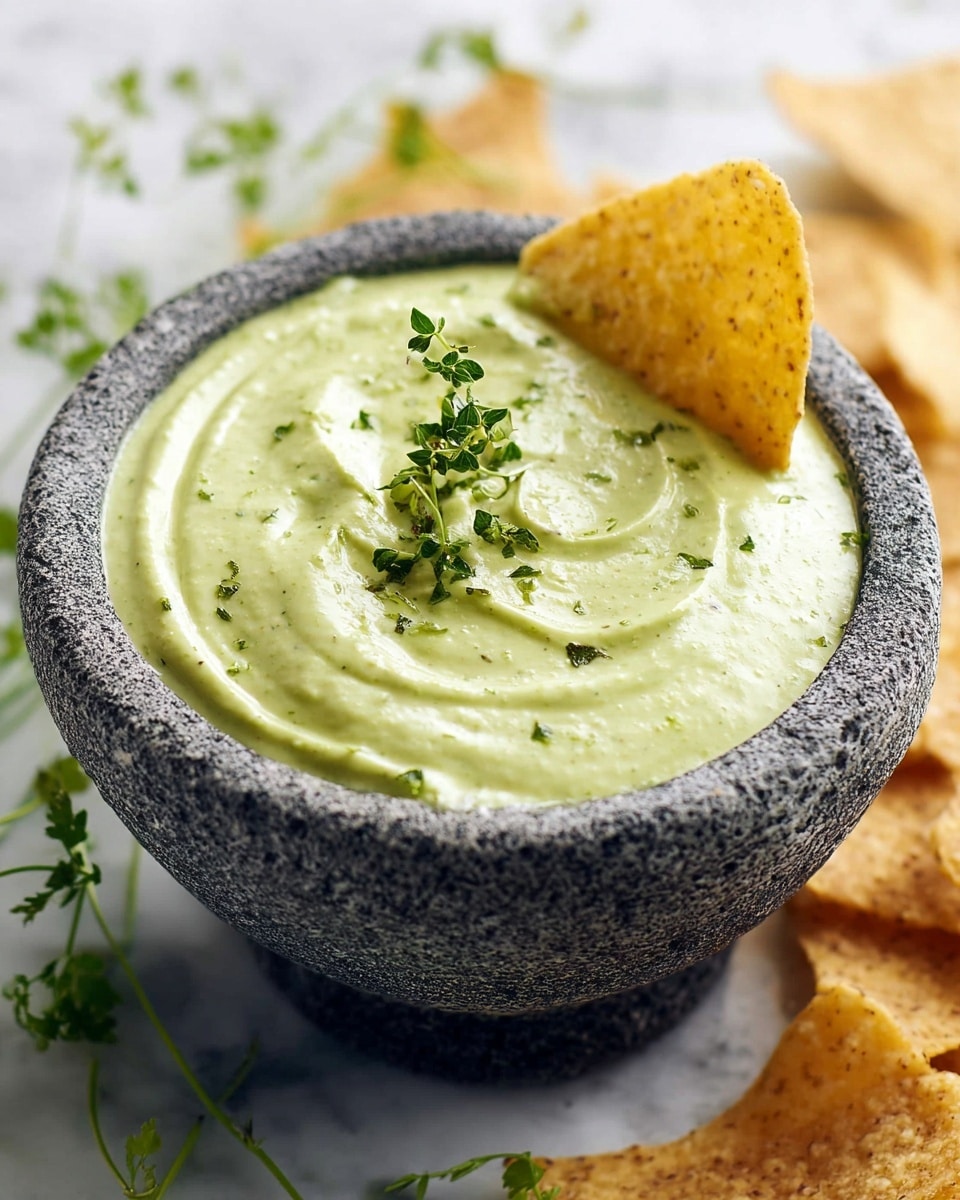
Fake Avocado Salsa (Salsa Verde Taquera) Recipe
If you’ve ever craved that creamy, tangy punch of salsa verde but found yourself without ripe avocados, let me introduce you to this gem: the Fake Avocado Salsa (Salsa Verde Taquera) Recipe. This clever twist uses zucchini to mimic the creaminess of avocado, giving you all that rich, smooth texture without the wait or worry about browning. It’s especially great when you want that taco joint vibe right at home but need a quick, fresh salsa that doesn’t scream avocado but comforts just the same.
What I love most about this Fake Avocado Salsa (Salsa Verde Taquera) Recipe is how versatile it is — it pairs beautifully with anything from crispy tacos to grilled chicken, or even as a vibrant dip for your chips. Plus, it keeps well in the fridge, so you can make a batch ahead and have that zesty, creamy salsa ready whenever the craving hits. Trust me, once you try this, you’ll want it on everything!
Ingredients You’ll Need
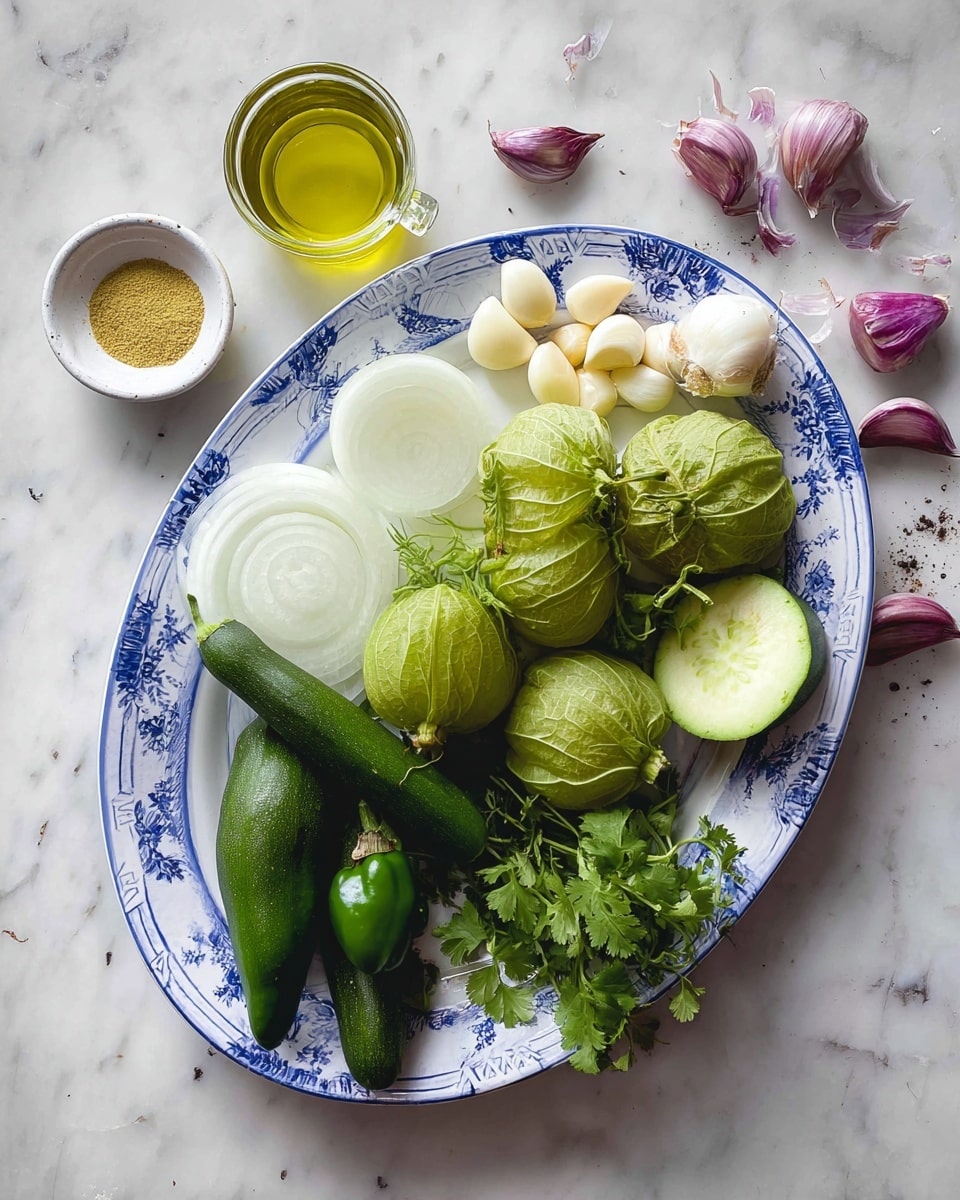
These ingredients work in harmony to create that classic salsa verde flavor, but with a smooth, creamy twist thanks to the zucchini. When shopping, look for firm, fresh tomatillos and light green summer zucchini for the best flavor and color balance.
- Tomatillos: They bring the tangy base flavor essential for salsa verde. Make sure to remove husks and rinse them well to avoid any bitterness.
- Summer zucchini: This is the secret creamy stand-in for avocado. Use light green zucchini (calabacita) for a closer match in flavor and texture.
- Vegetable oil: Helps sauté the aromatics and adds smoothness to the salsa.
- White onion: Provides a sharp, fresh bite that’s perfectly balanced after cooking.
- Garlic cloves: Adds depth and warmth; don’t skip it!
- Jalapeños: For that classic heat — remove seeds if you want a milder salsa.
- Serrano peppers: A bit spicier than jalapeños, balancing the flavor beautifully.
- Chicken bouillon powder: Tiny umami boost that deepens the salsa’s flavor – you can substitute with vegetable bouillon for a vegetarian version.
- Fresh cilantro: Brings brightness and a classic herby freshness that salsa verde wouldn’t be without.
Variations
I’ve played around with this Fake Avocado Salsa (Salsa Verde Taquera) Recipe quite a bit, and it’s fun to tweak according to what you like or what’s in season. Don’t hesitate to make it your own—you’ll get the best results when it suits your taste buds and the moment.
- Spicier version: Add an extra serrano or a few more jalapeños for a salsa with a real kick. Just be careful going up in heat—start small.
- Vegetarian tweak: Swap the chicken bouillon powder for a good quality vegetable bouillon or simply salt to taste.
- Herb twist: Some folks like adding a little fresh oregano or even a touch of mint to the cilantro for an earthier or more vibrant flavor.
- Smoky touch: Roasting the tomatillos and peppers on a hot skillet or under a broiler before cooking can add a subtle smoky depth I’ve grown to adore on chilly nights.
How to Make Fake Avocado Salsa (Salsa Verde Taquera) Recipe
Step 1: Prep Your Veggies the Right Way
Start by husking your tomatillos—you’ll notice they have a papery outer shell that needs to be taken off before rinsing them well to get rid of sticky residue. Chop the zucchini into big chunks but don’t peel it because the skin adds gentle color and a bit of earthiness. Remove the stems from your peppers (both jalapeños and serranos), and get your garlic peeled and onion roughly chopped. The size doesn’t need to be tiny since they’ll be blended later.
Step 2: Boil Tomatillos and Zucchini Until Tender
Place your tomatillos and zucchini chunks in a medium saucepan and cover them with water. Bring to a boil—watch this so the veggies cook evenly—and then simmer for about 10 minutes until they’re soft when poked with a fork. Don’t skip reserving some cooking water; it’s handy if your salsa ends up too thick during blending. Once done, drain and let them cool a bit so they won’t break your blender blades or heat up the next step too much.
Step 3: Sauté the Flavor Bombs
While the greens are boiling, get a small skillet heating with your vegetable oil over medium heat. Toss in the onions, garlic, jalapeños, and serranos. Stir often and cook until everything softens and you get a slight char on the peppers and garlic—about 5 to 7 minutes. This step waves goodbye to raw harshness and welcomes a mellow, smoky flavor that makes this salsa irresistible. Let the mix cool so it blends smoothly later.
Step 4: Blend It All to Creamy Perfection
Into the blender, add the cooked tomatillos, zucchini, your sautéed veggies, chicken bouillon powder, fresh cilantro, and all that lovely oil from the pan—it carries tons of flavor! Blend everything until completely smooth. If you want it thinner, add a tablespoon or two of the reserved cooking water until you hit your perfect consistency. Give it a taste and add some salt if it needs a little extra love.
Step 5: Cool, Store, and Enjoy
Let your Fake Avocado Salsa (Salsa Verde Taquera) come down to room temperature before transferring it to an airtight container. This salsa happily keeps in the fridge for several days, making it a great make-ahead option for Taco Tuesdays or last-minute snacks.
How to Serve Fake Avocado Salsa (Salsa Verde Taquera) Recipe
Garnishes
I’m a sucker for simple garnishes with this salsa because it’s so flavorful on its own. I usually top tacos or bowls with a sprinkle of fresh chopped cilantro and a few thin slices of radish for crunch. A wedge of lime on the side is a must-have for that extra zing that wakes up every bite.
Side Dishes
This Fake Avocado Salsa (Salsa Verde Taquera) is my go-to companion for grilled meats, especially chicken or pork. It’s also fantastic alongside warm corn tortillas, rice and beans, or even chilled shrimp cocktail for a fresh twist. If you’re having a Mexican-inspired spread, it’s an easy way to upgrade your spread with next-level flavor.
Creative Ways to Present
For dinner parties, I like to serve this salsa in a rustic stone molcajete or a pretty ceramic bowl surrounded by an assortment of colorful dippers like jicama sticks, cucumber slices, and still-warm tortilla chips. It adds a festive feel and makes the salsa the centerpiece rather than just a side note.
Make Ahead and Storage
Storing Leftovers
I usually keep my leftover Fake Avocado Salsa (Salsa Verde Taquera) refrigerated in a sealed container for up to 4-5 days. The flavors deepen a bit overnight, which I love. Just give it a good stir before serving again to bring everything back together.
Freezing
Freezing this salsa is a bit of a mixed bag. I’ve tried it for emergency backups, but the texture changes once thawed because of the zucchini’s water content. If you do freeze it, thaw slowly in the fridge and blend again to smooth it out before serving.
Reheating
I prefer eating this salsa cold or at room temperature, but if you want to warm it slightly, do it gently on the stove over low heat, stirring often. Avoid microwaving at high power, which can separate the salsa and dull its fresh flavors.
FAQs
-
Can I use other types of squash instead of zucchini for the Fake Avocado Salsa (Salsa Verde Taquera) Recipe?
You can experiment with similar summer squashes like yellow squash, but zucchini offers the best neutral creaminess without adding unwanted sweetness. Using too much of sweeter squash might change the salsa’s tangy profile, so if you use alternatives, start with a smaller amount and adjust.
-
Is this salsa good for people who are allergic to avocados?
Absolutely! Since this recipe uses zucchini instead of avocado, it’s a perfect option for anyone avoiding avocado due to allergies or preference, while still capturing that creamy, smooth texture that avocado usually provides.
- How spicy is the Fake Avocado Salsa (Salsa Verde Taquera) Recipe?
The heat level is moderate by default, thanks to the combination of jalapeños and serrano peppers. If you prefer milder salsa, remove seeds from the peppers before cooking. If you love heat, feel free to add more or include hotter peppers.
- Can I make this salsa ahead and will it keep its flavor?
Yes, making it ahead is a great idea! The flavors actually meld and improve after a few hours in the fridge. Just store it in an airtight container and give it a quick stir before serving.
- What can I serve with Fake Avocado Salsa (Salsa Verde Taquera) Recipe besides tacos?
Besides tacos, this salsa shines with grilled meats, roasted veggies, quesadillas, scrambled eggs, or as a zesty dip for chips or fresh vegetable sticks.
Final Thoughts
This Fake Avocado Salsa (Salsa Verde Taquera) Recipe has become one of my favorite secret shortcuts to that luscious, zesty salsa verde I adore. It’s especially handy when you don’t have avocados on hand or want a lighter option that still packs creamy satisfaction. I hope you’ll give it a try and find yourself coming back to it again and again, just like I do—it’s the kind of recipe you share with friends after the first perfect bite. Happy cooking and enjoy every dip, drizzle, and dollop!
PrintFake Avocado Salsa (Salsa Verde Taquera) Recipe
This Fake Avocado Salsa, also known as Salsa Verde Taquera, is a delicious and vibrant green salsa that mimics the creaminess of avocado using cooked zucchini and tomatillos. Blended with sautéed jalapenos, serranos, onion, garlic, and fresh cilantro, this salsa has a smooth texture and a perfect balance of tangy, spicy, and fresh flavors. Ideal for tacos, dipping, or as a flavorful condiment, it offers a fresh twist on traditional salsa verde without using any avocado.
- Prep Time: 10 minutes
- Cook Time: 15 minutes
- Total Time: 25 minutes
- Yield: 2 1/4 cups (about 9 servings) 1x
- Category: Sauce/Salsa
- Method: Stovetop
- Cuisine: Mexican
Ingredients
Vegetables
- 4 large tomatillos (about 325 grams)
- 1 large summer zucchini (light green preferably) – about 310 grams (11 ounces)
- ⅓ medium white onion
- 2 large garlic cloves
- 3 large jalapeños
- 2 serrano peppers
- ½ cup (packed) fresh cilantro
Other Ingredients
- 5 tablespoons vegetable oil
- 1 ½ teaspoon chicken bouillon powder
Instructions
- Prep the veggies: Remove the husks from the tomatillos and rinse them well. Cut the zucchini into large chunks; there’s no need to peel it. Remove the stems from the jalapeños and serrano peppers. Peel the garlic cloves and chop the white onion into large pieces.
- Cook the tomatillos and zucchini: Place the tomatillos and zucchini in a medium saucepan and cover with water. Bring to a boil and cook for about 10 minutes or until both are soft. Drain and transfer the vegetables to a plate or bowl to cool. Reserve some cooking water in case it’s needed later for blending.
- Sauté the aromatics: While the tomatillos and zucchini cook, heat the vegetable oil in a small skillet over medium heat. Add the white onion, garlic, jalapeños, and serrano peppers. Cook, stirring frequently, until softened and slightly charred, about 5 to 7 minutes. Allow to cool slightly.
- Blend it all together: In a blender, combine the cooked tomatillos, zucchini, the sautéed onion, garlic, jalapeños, serranos, chicken bouillon powder, fresh cilantro, and the oil from the pan. Blend until completely smooth. Add a few tablespoons of the reserved cooking water if needed to adjust to your preferred consistency.
- Taste and season: Taste the salsa and add salt if needed to enhance the flavors.
- Cool and store: Allow the salsa to cool to room temperature, then transfer to an airtight container. Refrigerate until ready to use. This recipe yields approximately 2 1/4 cups of salsa, enough for about 9 servings.
Notes
- Use zucchini sparingly; too much can make the salsa sweet and alter the intended flavor profile that mimics traditional avocado salsa.
- The chicken bouillon powder adds a savory depth, but you can adjust or omit it if you prefer a vegetarian version.
- To make the salsa spicier or milder, adjust the amount of jalapeños and serranos according to your heat preference.
- Store salsa in the refrigerator and consume within 3-5 days for optimal freshness.
Keywords: Fake Avocado Salsa, Salsa Verde Taquera, Mexican Salsa, Green Salsa, Tomatillo Salsa, Zucchini Salsa, Spicy Salsa, Salsa Recipe, Taco Salsa