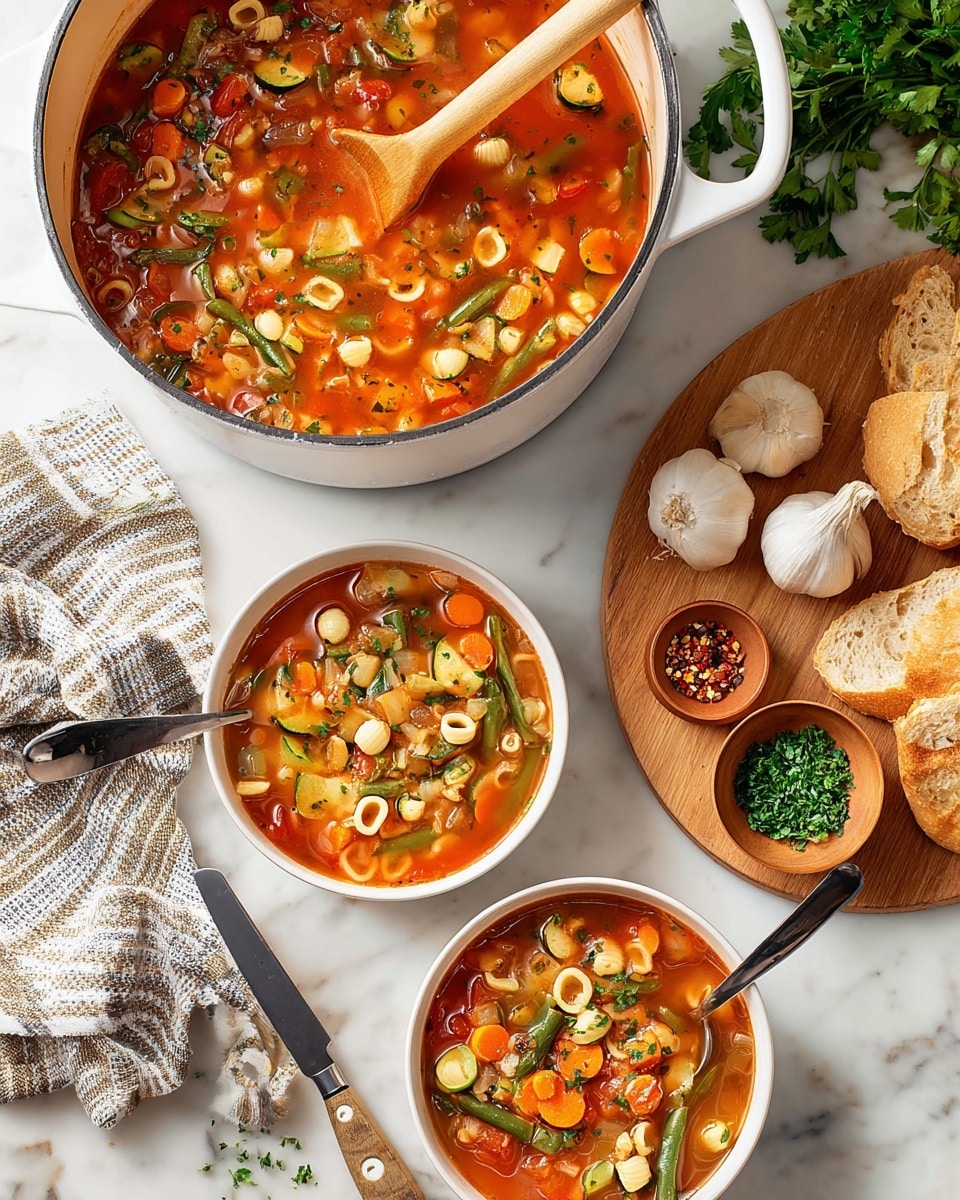
Minestrone Soup Recipe
If you’re looking for a soul-warming, veggie-packed feast in a bowl, this Minestrone Soup Recipe is exactly what you need. It’s one of those dishes that feels like a big, cozy hug—loaded with fresh vegetables, tender beans, and the perfect hint of herbs. Every time I make it, the kitchen fills with the most inviting aromas, and I find myself eager to dig in even before it’s done simmering.
What I love most about this Minestrone Soup Recipe is how flexible it is—it’s perfect for weeknight dinners when you want something wholesome but quick, or for leisurely weekend lunches with friends. Plus, it’s a fantastic way to sneak in a variety of vegetables, and it’s satisfying enough to stand on its own or pair with crusty bread. Trust me, once you try this, it’ll become your go-to comfort meal for all seasons.
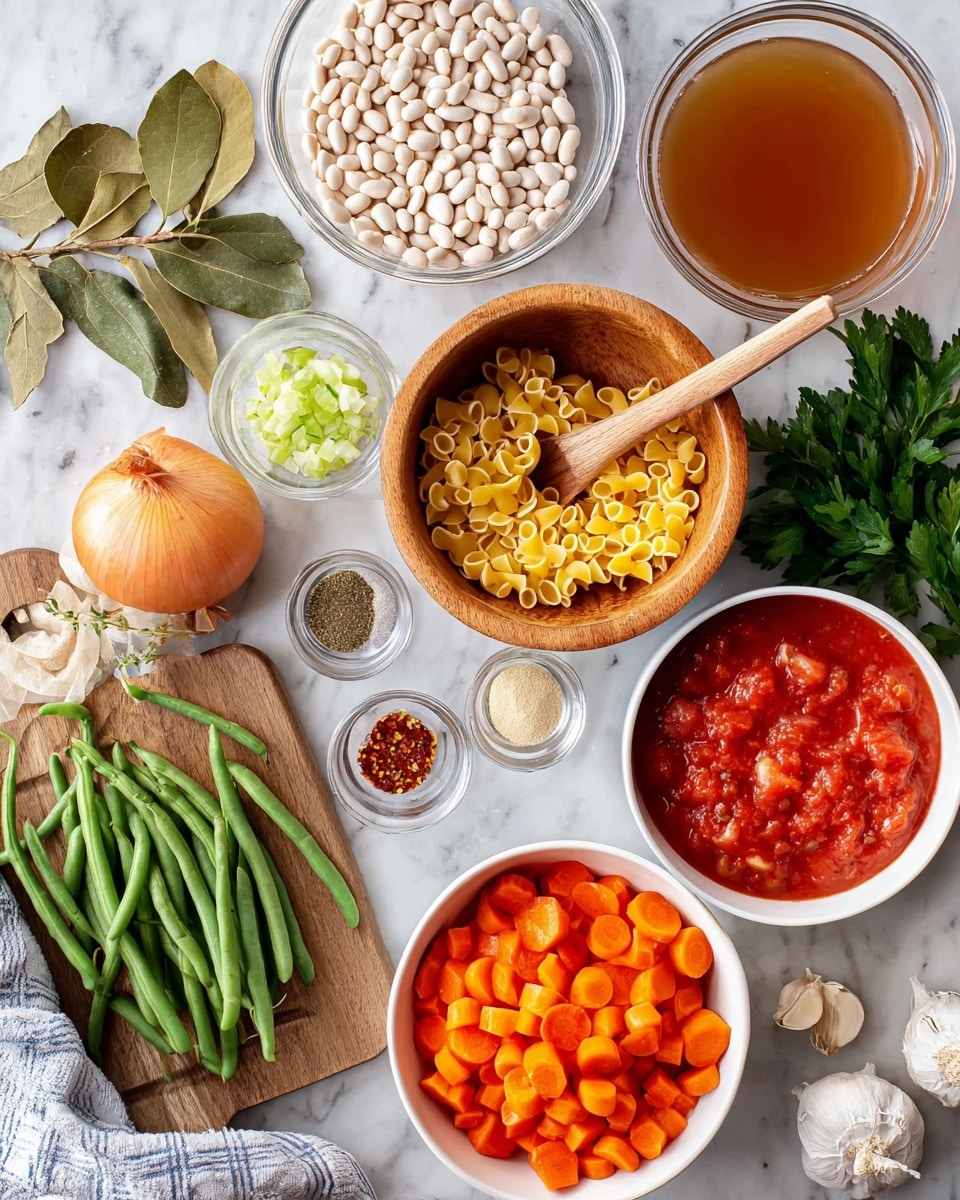
Ingredients You’ll Need
These ingredients come together beautifully to create those classic Italian soup flavors you’re craving, while keeping things simple and fresh. When shopping, try to pick the freshest vegetables you can find—they really make a difference here.
- Extra-virgin olive oil: This adds a fruity, aromatic base. Don’t skip on quality here—it truly shines in the final taste.
- Yellow onion: Gives sweetness and depth once sautéed gently.
- Carrots: Their natural sweetness balances the acidity of the tomatoes.
- Celery ribs: Adds that subtle aromatic crunch that’s classic to minestrone.
- Sea salt: Enhances all the flavors; seasoning gradually is key.
- Freshly ground black pepper: Adds a gentle spice and warmth.
- Garlic cloves: Grated garlic floods the soup with a fragrant punch.
- Diced tomatoes (canned): I use quality canned tomatoes for consistency and richness.
- Cooked beans (white or kidney): Beans are the protein star here—make sure to rinse canned to reduce sodium.
- Green beans: Bright and tender, they give the soup a fresh, lively texture.
- Vegetable broth: The flavorful liquid base—homemade or store-bought works fine.
- Bay leaves: A little secret that adds a lovely herbal backdrop.
- Dried oregano and thyme: Classic Italian aromatics that round out the flavor profile.
- Small pasta (elbows, shells, orecchiette): Tiny shapes that mix right in and soak up the broth deliciously.
- Fresh parsley: Brightens and freshens up the finished soup.
- Red pepper flakes: Optional but recommended if you like a little heat.
- Grated Parmesan cheese: A finishing touch that adds richness and umami (totally optional).
Variations
I’ve always enjoyed playing around with the Minestrone Soup Recipe depending on what’s in season or what I have in my pantry. It’s inviting to make it your own, and that’s part of the fun. Don’t hesitate to switch up the veggies or beans for variety.
- Vegetarian and vegan tweak: Use vegetable broth and skip Parmesan—or swap for a vegan cheese alternative; I’ve tried this often and it’s just as comforting.
- Add greens: Kale or spinach stirred in at the end boosts nutrition and keeps that fresh vibe.
- Seasonal veggies: Summer zucchini or winter squash really take it to another level—I’ve done this countless times.
- Protein boost: Add cooked Italian sausage or shredded chicken if you want a heartier version.
- Gluten-free: Swap regular pasta with gluten-free shapes or even quinoa for an alternative texture.
How to Make Minestrone Soup Recipe
Step 1: Sauté the Base Vegetables
Start by heating the olive oil in a large pot over medium heat—this is where the soup builds its flavor foundation. Toss in the diced onion, carrots, celery, salt, and plenty of freshly ground black pepper. Cook and stir occasionally for about 8 minutes until the veggies start to soften but aren’t mushy. You want them to have a bit of body so the soup doesn’t get too one-note—I’ve found this slow softening is key to a deep, rich flavor.
Step 2: Add Garlic and Simmer with Tomatoes and Beans
Grate in the garlic cloves and stir everything quickly to avoid burning the garlic. Then add the canned diced tomatoes, cooked beans, chopped green beans, vegetable broth, bay leaves, oregano, and thyme. Cover the pot and let everything simmer together for 20 minutes. This simmering melds the flavors and lets those herbs and tomatoes infuse beautifully. Peek now and then as I do, giving the pot a gentle stir to prevent sticking.
Step 3: Cook the Pasta Directly in the Soup
Now stir in your choice of small pasta shapes and keep the soup uncovered while you cook it for about 10 minutes, or until the pasta is tender but not mushy. This step is when the soup really comes together—you’ll notice the broth gets a luscious thickness as the pasta releases its starch. Just keep an eye on it and stir occasionally to avoid pasta sticking to the bottom.
Step 4: Final Seasoning and Serving Touches
Before serving, taste and adjust the seasoning with sea salt and pepper. Remove the bay leaves—they’ve done their job! Then sprinkle on chopped fresh parsley, optional red pepper flakes if you want a gentle kick, and a handful of grated Parmesan cheese for that indulgent finish. These final touches bring the soup alive and give it that homemade charm.
How to Serve Minestrone Soup Recipe
Garnishes
I always top my bowl of minestrone with fresh parsley, a good sprinkle of Parmesan, and if I’m feeling a bit adventurous, a dash of red pepper flakes. It brightens up the flavors and adds a lovely fresh, creamy, and spicy contrast that keeps the soup exciting from the first to the last spoonful.
Side Dishes
This soup pairs wonderfully with a slice of crusty Italian bread or garlic bread for dipping. I also love serving it alongside a simple green salad with a lemon vinaigrette to keep things light and fresh. Sometimes, I whip up a quick grilled cheese sandwich—comfort food at its best.
Creative Ways to Present
For a dinner party, I’ve served the Minestrone Soup Recipe in rustic bread bowls—people always rave about eating their soup out of edible containers! It’s a fun twist that makes the meal feel extra special without complicated plating. You can also mix in a swirl of pesto or a dollop of ricotta for an elegant dinner touch.
Make Ahead and Storage
Storing Leftovers
Leftover minestrone soup keeps beautifully in the fridge for up to 4 days. I usually store it in glass airtight containers to preserve freshness and make reheating easy. Just be sure to cool the soup completely before popping it in the fridge to keep its texture and flavor intact.
Freezing
I’ve frozen minestrone soup many times with great success. Just leave out the pasta if you plan to freeze it—pasta can get mushy upon thawing. Freeze the soup in portions, then add freshly cooked pasta when you reheat it. This way, the soup tastes almost like freshly made.
Reheating
When reheating, warm the soup gently on the stovetop over medium-low heat, stirring occasionally to prevent sticking. If it feels too thick, add a splash of vegetable broth or water. Add fresh-cooked pasta at this stage if you froze the soup without it, so it stays tender and not overdone.
FAQs
-
Can I make Minestrone Soup Recipe without pasta?
Absolutely! If you’re avoiding gluten, lowering carbs, or want to freeze the soup, you can leave out the pasta. You’ll still get a hearty, flavorful soup loaded with veggies and beans. You can also add the pasta fresh when reheating if you’d like.
-
What’s the best way to thicken Minestrone Soup Recipe?
One easy trick is to mash some of the beans against the side of the pot before adding the pasta, which adds a natural creaminess without extra ingredients. Cooking the pasta directly in the broth also helps thicken the soup a bit as the starches release.
-
Can I use fresh tomatoes instead of canned?
You can! Fresh tomatoes are lovely in season and will give the soup a brighter, fresher flavor. Just peel and chop them well before adding. But good quality canned tomatoes are convenient and provide consistent tomato richness year-round.
-
How do I add protein if I’m not vegetarian?
Try adding cooked Italian sausage, shredded cooked chicken, or even crisped pancetta for an extra savory touch. Add these proteins after the initial veggie sauté or as a topping when serving to keep everyone happy.
-
Is this Minestrone Soup Recipe good for meal prep?
Definitely. It reheats well, stores well, and fills you up without weighing you down. Just keep the pasta separate if you want to keep it from getting mushy after a few days. It’s a great healthy meal prep option with lots of fiber and vitamins.
Final Thoughts
This Minestrone Soup Recipe is one of those dishes that’s truly close to my heart—simple, nourishing, and deeply comforting. Whether you’re cooking for a family dinner or just treating yourself on a chilly day, it’s a recipe that welcomes you back every time you need something homey. I’d say give it a try, tweak it to your liking, and enjoy every hearty spoonful as much as I do!
PrintMinestrone Soup Recipe

A hearty and wholesome Minestrone Soup loaded with fresh vegetables, beans, and pasta simmered in a flavorful tomato and herb broth. This classic Italian soup is perfect for a comforting meal and can be easily customized to suit your taste.
- Prep Time: 15 minutes
- Cook Time: 30 minutes
- Total Time: 45 minutes
- Yield: 4 servings 1x
- Category: Soup
- Method: Stovetop
- Cuisine: Italian
- Diet: Vegetarian
Ingredients
Vegetables and Aromatics
- 2 tablespoons extra-virgin olive oil
- 1 medium yellow onion, diced
- 2 medium carrots, chopped
- 2 celery ribs, thinly sliced
- 3 garlic cloves, grated
- 1 cup chopped green beans
- ½ cup chopped fresh parsley
Pantry Ingredients
- 1 teaspoon sea salt, plus more to taste
- Freshly ground black pepper, to taste
- 1 (28-ounce) can diced tomatoes
- 1½ cups cooked white beans or kidney beans, drained and rinsed
- 4 cups vegetable broth
- 2 bay leaves
- 1 teaspoon dried oregano
- 1 teaspoon dried thyme
- ¾ cup small pasta (elbows, shells, or orecchiette)
- Red pepper flakes, to taste
- Grated Parmesan cheese, optional, for serving
Instructions
- Sauté the Vegetables: Heat the olive oil in a large pot over medium heat. Add the diced onion, chopped carrots, sliced celery, sea salt, and black pepper. Cook, stirring occasionally, for about 8 minutes until the vegetables begin to soften and become fragrant.
- Add Garlic and Broth Ingredients: Stir in the grated garlic, canned diced tomatoes, cooked beans, chopped green beans, vegetable broth, bay leaves, dried oregano, and dried thyme. Bring to a simmer, cover, and let cook gently for 20 minutes to allow the flavors to meld and the vegetables to become tender.
- Cook the Pasta: Remove the lid and stir in the small pasta. Continue to cook uncovered for an additional 10 minutes, stirring occasionally, until the pasta is cooked through but still al dente.
- Final Seasoning and Serve: Taste the soup and adjust seasoning with additional salt and pepper if needed. Remove the bay leaves. Serve hot, garnished with chopped fresh parsley, a sprinkle of red pepper flakes for a bit of heat, and grated Parmesan cheese if desired.
Notes
- Use any small pasta shape you prefer, such as elbows, shells, or orecchiette.
- For a gluten-free version, substitute pasta with gluten-free pasta or omit it entirely.
- Can be made vegan by omitting the Parmesan cheese or using a plant-based alternative.
- Store leftovers in an airtight container in the refrigerator for up to 3 days.
- The soup can be reheated on the stovetop or in the microwave, adding a splash of vegetable broth if it has thickened too much.
Keywords: minestrone soup, vegetable soup, Italian soup, vegetarian soup, bean soup, comforting soup