Vanilla French Beignets Recipe
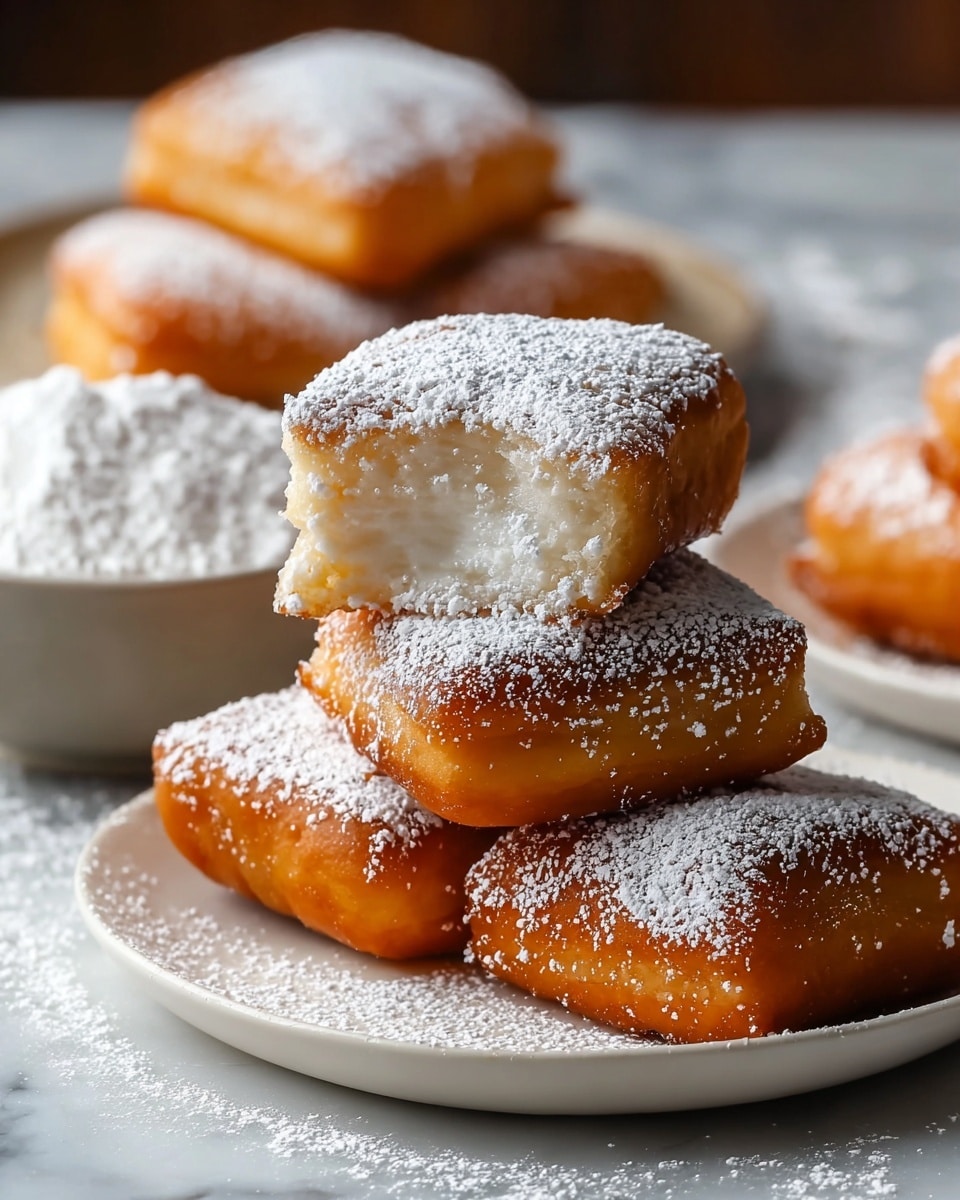
If you’ve ever wished you could bring a bit of Parisian cafe charm right into your own kitchen, this Vanilla French Beignets Recipe is just the ticket. These little pillows of golden-fried dough carry the warm sweetness of vanilla and come dusted in powdered sugar—simple enough to make, yet impressive enough to serve anytime you want to treat yourself or your guests. I first made these on a rainy weekend when I needed a cozy, comforting project, and they turned into an instant family favorite.
What makes this Vanilla French Beignets Recipe so special is how approachable it is—you don’t need fancy ingredients or complicated techniques, just a bit of patience and love. When you get the texture right, those airy, soft bites filled with a subtle vanilla aroma will have you hooked. Plus, they’re perfect for celebrations, brunches, or even a weekend indulgence when you want something a little extra. I’m excited to guide you step-by-step so you get the best results every time!
Ingredients You’ll Need
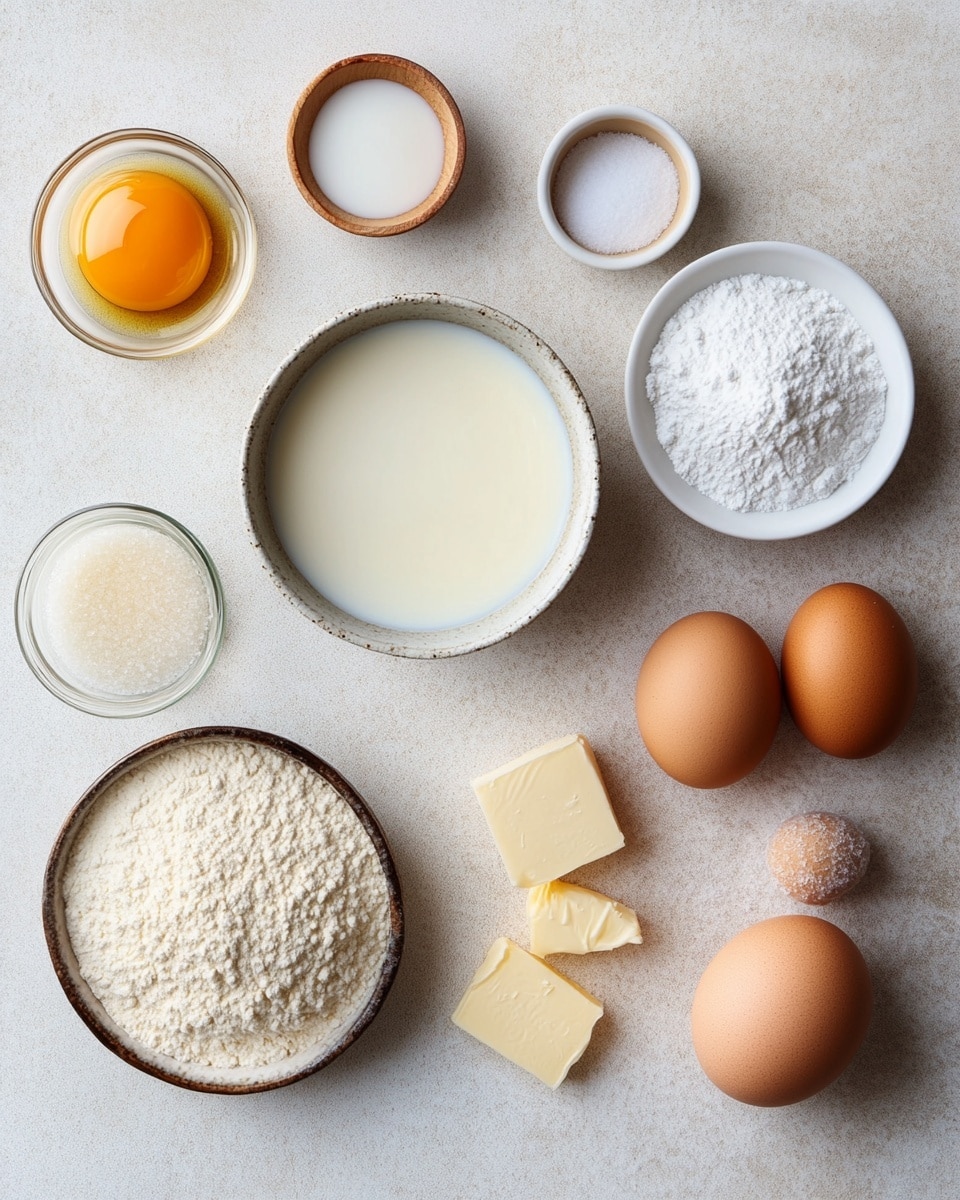
Each ingredient in this Vanilla French Beignets Recipe plays a key role, from the yeast bringing that delightful puffiness to the vanilla that lends its signature flavor. When shopping, fresh ingredients—especially the yeast and eggs—make a noticeable difference.
- Warm milk: The warmth activates the yeast without killing it, so aim for 105-115°F for the perfect bubbly start.
- Active dry yeast: Fresh yeast is your beignets’ best friend; check the expiration date for best rise.
- Granulated sugar: Adds just the right amount of sweetness without overpowering.
- Large egg: Binds the dough and adds richness.
- Vanilla extract: Be generous here—it’s the star flavor that sets these beignets apart.
- Salt: Balances sweetness and enhances flavors.
- Unsalted butter, melted: For tenderness and a subtle buttery note.
- All-purpose flour: The foundation of the dough—measure carefully for the right texture.
- Vegetable oil: For frying—pick one with a high smoke point like canola or peanut oil.
- Powdered sugar: For that classic, snow-white dusting that makes every bite feel festive.
Variations
I love keeping this recipe classic, but you can seriously have fun making it your own. It’s the perfect blank canvas to add little twists and turns—whether you want to make it richer, lighter, or dairy-free.
- Gluten-free version: I’ve swapped out regular flour with a gluten-free blend before, just keep an eye on the dough’s consistency—it might need a touch more liquid.
- Cinnamon sugar dusting: Instead of powdered sugar, sprinkle cinnamon sugar for a spicy, warm alternative that’s a big hit in my family.
- Almond or orange extract: For a fragrant twist, I sometimes replace half the vanilla with almond or a splash of orange extract—gives it a lovely complexity.
- Filled Beignets: Adding a dollop of fruit jam or chocolate inside before frying is a total game changer and perfect for an indulgent treat.
How to Make Vanilla French Beignets Recipe
Step 1: Activate the Yeast with Warm Milk and Sugar
Start by pouring your warm milk into a bowl and stirring in the sugar until dissolved. Sprinkle the active dry yeast over the surface and let it sit for about 5 to 10 minutes until foamy. This step is crucial because it tells you your yeast is still alive and ready to make your beignets fluffy. If the mixture doesn’t bubble up, it might be time to get fresh yeast.
Step 2: Mix in the Egg, Vanilla, and Melted Butter
Once your yeast is activated, whisk in the egg, vanilla extract, and melted butter. This combination not only adds flavor but helps build a soft, rich dough. I usually use room temperature egg and butter to keep the dough from getting too cold, which helps the yeast along.
Step 3: Add the Flour and Salt, Then Knead
Gradually add your flour and salt, mixing until the dough starts to come together. It should be slightly sticky but manageable. Knead the dough on a lightly floured surface for about 5 to 7 minutes until smooth and elastic. If you’ve got a stand mixer, this is the perfect time to use the dough hook attachment—it cuts down effort and saves your hands!
Step 4: Let the Dough Rise
Place the dough in a greased bowl, cover it with a damp cloth, and let it rise in a warm spot until doubled in size—typically about 1 to 1 1/2 hours. This step really shapes the airy texture you want in a perfect beignet. Once it’s puffed up and springy to the touch, you’re ready for the next step.
Step 5: Roll Out and Cut
Lightly flour your work surface and roll the dough out to about 1/4 inch thick. You want it thin enough to fry quickly but thick enough to puff up nicely. Use a sharp knife or pizza cutter to cut the dough into squares or rectangles, about 2 to 3 inches wide. I find that uniform pieces fry evenly, so take your time here!
Step 6: Fry Until Golden
Heat your vegetable oil in a heavy-bottomed pot or deep fryer to 350°F. Fry the beignets a few at a time, being careful not to overcrowd the pan. They should puff up immediately and turn a beautiful golden brown in about 2 to 3 minutes per side. Use a slotted spoon to transfer them to a paper towel-lined plate to drain excess oil.
Step 7: Dust with Powdered Sugar and Serve
While still warm, dust your beignets generously with powdered sugar. My personal tradition is to use a fine mesh sieve so the sugar falls as softly and evenly as fresh snow. Serve them hot, and get ready for that wonderfully sweet vanilla aroma to fill your kitchen.
How to Serve Vanilla French Beignets Recipe
Garnishes
For me, powdered sugar is classic and perfect, but sometimes I like to sprinkle a bit of cinnamon or cocoa powder on top for a subtle twist. Fresh berries or a drizzle of chocolate sauce can also add a pretty, flavorful pop that’s always a hit when friends come over.
Side Dishes
These beignets pair beautifully with a hot cup of coffee or a chai latte—my go-to cozy combo. For a brunch spread, I love serving them alongside fresh fruit, scrambled eggs, or even a light salad to balance the sweetness.
Creative Ways to Present
For a special occasion, I’ve arranged my Vanilla French Beignets Recipe on a tiered dessert stand, dusted with extra sugar and sprinkled with edible flowers. Another fun idea is stacking them with layers of berry compote and whipped cream to create a beignet trifle that always surprises and delights guests.
Make Ahead and Storage
Storing Leftovers
If you have leftovers (which honestly doesn’t happen often in my house), store them in an airtight container at room temperature for up to two days. To keep the outer crust crisp, place a paper towel inside the container to absorb any moisture.
Freezing
I’ve also frozen cooked beignets successfully. Just freeze them in a single layer on a baking sheet first, then transfer into a freezer bag for up to a month. This way, you can enjoy a homemade treat anytime without starting from scratch.
Reheating
For reheating, popping frozen or room-temp beignets into a preheated oven at 350°F for about 5-7 minutes works wonders to refresh their crispness without drying them out. Avoid the microwave as it tends to make them rubbery—oven heat preserves that lovely texture.
FAQs
-
Can I make the dough ahead of time?
Absolutely! You can prepare the dough and let it rise once, then punch it down and refrigerate it overnight. Before frying, bring it back to room temperature and let it puff up slightly for best results.
-
What type of oil is best for frying beignets?
Choose an oil with a high smoke point like vegetable, canola, or peanut oil. These oils handle the frying temperature well and won’t overpower the delicate vanilla flavor.
- How can I tell when the oil is at the right temperature for frying?
Using a kitchen thermometer is the easiest way. If you don’t have one, drop a small piece of dough into the oil; it should bubble and float to the surface fairly quickly but not brown immediately. Adjust heat to maintain around 350°F for steady frying.
- Can I use instant yeast instead of active dry yeast?
Yes! If using instant yeast, you can mix it directly with the dry ingredients without proofing. You might need to shorten the rising time slightly since instant yeast works faster.
- What causes beignets to be dense instead of fluffy?
Dense beignets usually result from under-proofed dough, overworked dough, or frying at the wrong temperature. Make sure to let the dough rise fully and fry at a consistent 350°F, and your beignets should puff up beautifully.
Final Thoughts
Making this Vanilla French Beignets Recipe has become one of those joyful kitchen moments I treasure—simple ingredients coming together to create something so comforting and delicious. I love how accessible the recipe is, and I hope you find as much pleasure in making and sharing these beignets as I do. So grab your apron, fire up that oil, and let’s bring a little taste of France straight to your table!
PrintVanilla French Beignets Recipe

Delight in the classic French treat of Vanilla French Beignets—light, fluffy, and perfectly fried doughnuts dusted generously with powdered sugar. This recipe combines warm milk, yeast, and a touch of vanilla to create an irresistible breakfast or dessert pastry that’s crispy on the outside and soft inside.
- Prep Time: 20 minutes
- Cook Time: 15 minutes
- Total Time: 1 hour 35 minutes
- Yield: Approximately 20 beignets 1x
- Category: Dessert
- Method: Frying
- Cuisine: French
Ingredients
Beignet Dough
- 1 cup warm milk (105-115°F)
- 1/4 ounce active dry yeast (about 2 1/4 teaspoons)
- 1/4 cup granulated sugar
- 1 large egg
- 1 teaspoon vanilla extract
- 1/2 teaspoon salt
- 1/4 cup unsalted butter, melted
- 3 1/2 to 4 cups all-purpose flour
For Frying & Serving
- Vegetable oil, for frying
- Powdered sugar, for dusting
Instructions
- Activate Yeast: In a large mixing bowl, combine the warm milk and active dry yeast. Let it sit for 5-10 minutes until the mixture is foamy and bubbly, indicating the yeast is active.
- Mix Wet Ingredients: Add the granulated sugar, egg, and vanilla extract to the yeast mixture. Whisk until well combined.
- Add Butter and Salt: Stir in the melted unsalted butter and salt thoroughly into the wet mixture.
- Incorporate Flour: Gradually add 3 1/2 cups of all-purpose flour into the wet ingredients, mixing continuously. Add more flour, a little at a time, until a soft dough that is slightly sticky but manageable forms.
- Knead Dough: Turn the dough onto a floured surface and knead for about 5-7 minutes until it becomes smooth and elastic. Add flour as necessary to prevent sticking but avoid over-flouring.
- Let Dough Rise: Place the dough in a lightly greased bowl, cover it with a damp cloth or plastic wrap, and let it rise in a warm place for about 1 to 1.5 hours, or until doubled in size.
- Prepare for Frying: Heat vegetable oil in a deep fryer or heavy-bottomed pot to 350°F (175°C). While the oil heats, punch down the dough and roll it out on a floured surface to about 1/4 inch thickness.
- Cut and Fry Beignets: Cut the dough into 2 to 3 inch squares or rectangles. Carefully drop a few pieces at a time into the hot oil, frying until golden brown and puffed, about 2-3 minutes per side. Use tongs or a slotted spoon to turn and remove them.
- Drain and Dust: Place the fried beignets on a paper towel-lined plate to drain excess oil. While still warm, dust liberally with powdered sugar.
- Serve: Serve the beignets fresh and warm for best taste and texture. Enjoy with coffee or your favorite beverage.
Notes
- Make sure the milk is warm, not hot, to prevent killing the yeast.
- Be careful not to overcrowd the frying pot to keep the oil temperature consistent.
- Use a thermometer to maintain oil temperature at 350°F for perfect frying.
- Beignets are best enjoyed fresh as they lose their crispiness quickly.
- The dough can be refrigerated overnight for delayed frying, but allow it to come to room temperature before frying.
Keywords: French beignets, vanilla beignets recipe, fried doughnuts, classic french pastry, powdered sugar beignets