Singapore Rice Noodles Recipe
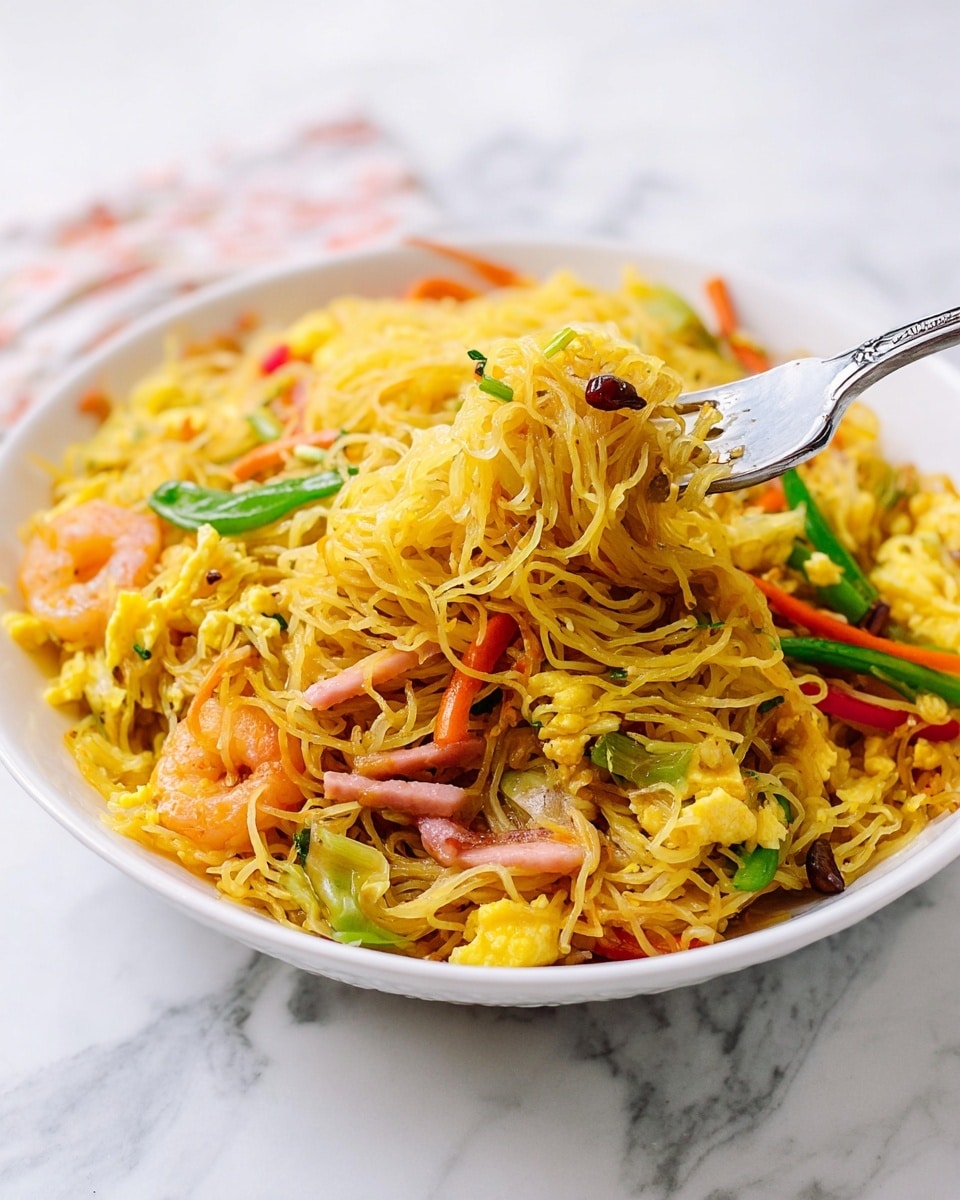
I’m always on the lookout for a quick yet flavor-packed meal, and this Singapore Rice Noodles Recipe never fails to impress. It’s one of those dishes that looks fancy but comes together pretty quickly—perfect for busy weeknights or when you want to bring a little restaurant-style magic home. The fragrant curry powder combined with the mix of shrimp, roast pork, and crisp veggies just hits all the right notes.
What I love most is how adaptable this recipe is. Whether you want to amp up the spice or make it a bit lighter with extra veggies, Singapore Rice Noodles Recipe is versatile and satisfying. Plus, it’s a great way to use up leftovers like ham or roast pork that you might already have in your fridge. Trust me, once you try this recipe, it’ll become a go-to in your dinner rotation.
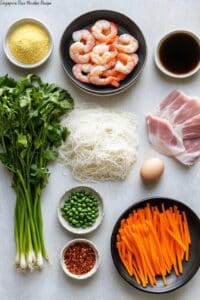
Ingredients You’ll Need
Each ingredient in this Singapore Rice Noodles Recipe plays a key role in layering flavors and textures. Freshness is important here, especially for the shrimp and vegetables, so I recommend picking up quality produce to make the most of this dish.
- Shrimp: Peeled and deveined shrimp cook quickly and add a lovely seafood sweetness.
- Canola or vegetable oil: Neutral oils work best for stir-frying at high heat without overpowering flavors.
- Asian fish sauce: Adds that deep umami punch – just a little goes a long way.
- Dried rice stick noodles: Soak them until just tender but not mushy to get the perfect bite.
- Garlic: Freshly minced garlic is essential for that aromatic base.
- Curry powder: Look for a good quality blend; I often double the amount if I crave more warmth.
- Soy sauce: Just a splash to balance out the curry and fish sauce.
- Shaoxing wine: Adds a subtle complexity, but you can substitute dry sherry if you don’t have it.
- Ground white pepper: Provides a mild heat and earthiness distinct from black pepper.
- Sugar: Balances the savory and spicy elements perfectly.
- Eggs: Lightly salted and scrambled in for a soft, silky texture.
- Chinese roast pork (char siu) or ham: Adds delicious smoky-sweet notes—char siu is my favorite.
- Onion: Thinly sliced for a touch of sweetness and crunch.
- Red bell pepper: Adds vibrant color and crispness.
- Snow peas: Slice thinly on the bias for a fresh snap.
- Carrot: Julienne for a hint of earthiness and crunch.
- Kosher salt: To season the dish perfectly.
- Scallions: For that final fresh, mild onion flavor on top.
- Toasted sesame oil: A finishing touch that makes the dish glow with aroma.
Variations
I like to mix things up sometimes with this Singapore Rice Noodles Recipe based on what I have in my kitchen or what I’m craving. Don’t hesitate to personalize it — that’s part of the fun! Here are a few ways I’ve made it my own over time.
- Vegetarian: Swap shrimp and pork for extra firm tofu and mushrooms; it soaks up all the curry flavor beautifully.
- Spicy version: Add a fresh chopped chili or a little chili paste when stir-frying garlic for an extra kick.
- More veggies: I sometimes toss in baby corn or bean sprouts for extra crunch and freshness.
- Gluten-free: Just make sure to use tamari or gluten-free soy sauce in place of regular soy sauce.
- Less traditional meat: Leftover grilled chicken or turkey works surprisingly well if char siu or ham aren’t available.
How to Make Singapore Rice Noodles Recipe
Step 1: Prep Your Noodles and Ingredients Ahead
Start by soaking your dried rice noodles in warm water until they’re soft but still have a slight bite—usually about 20 to 25 minutes. Drain well and set aside. Meanwhile, get all your proteins sliced, veggies julienned, garlic minced, and eggs beaten with a pinch of kosher salt. Having everything ready to go before you turn on the stove makes the cooking process smooth and stress-free.
Step 2: Sauté Your Protein and Aromatics
Heat 2 tablespoons of your oil in a large wok or skillet over medium-high heat. Toss in the shrimp and cook until they turn pink and just opaque, about 1-2 minutes per side. Remove and set aside. Next, add the garlic and onion slices to the wok; stir-fry quickly until fragrant—about 30 seconds to 1 minute. Then stir in half of the curry powder and garlic, letting the spices bloom and fill your kitchen with a warm aroma.
Step 3: Cook the Noodles with Flavors
Add the soaked noodles to the wok along with soy sauce, fish sauce, Shaoxing wine, white pepper, and sugar. Toss vigorously to coat the noodles evenly with the sauce and spices. It helps to have a big wok and use tongs or chopsticks to lift and turn everything quickly so the noodles don’t clump together. This step is key to getting that delicious, slightly saucy coating without soggy noodles.
Step 4: Add Veggies, Eggs, and Meat
Push the noodles to one side of the wok and drizzle in the remaining 2 teaspoons of oil. Pour in the beaten eggs and scramble them gently until just set but still soft. Then toss in the roast pork or ham strips, carrots, red bell pepper, and snow peas. Finally, mix everything together, returning the shrimp to the pan for a quick warm-through. Cook for another minute or two to blend the flavors and warm your veggies but keep that crisp texture.
Step 5: Finish with Scallions and Sesame Oil
Sprinkle in the sliced scallions and drizzle the toasted sesame oil over the top. Give everything one last toss and immediately transfer to plates—this helps retain the fragrant aroma and fresh flavors. If you wait too long, the noodles can lose their bite, so serve it up hot for the best experience!
How to Serve Singapore Rice Noodles Recipe
Garnishes
I love topping this recipe with a handful of freshly chopped cilantro or a squeeze of lime if I want an extra zing. Sometimes I’ll sprinkle toasted sesame seeds on top for a little nuttiness and crunch. If you like heat, some chili flakes or sliced red chilies work wonders too.
Side Dishes
For sides, I often keep it simple: a light Asian cucumber salad or some steamed bok choy balances the richness of the noodles beautifully. Crispy spring rolls or some dim sum favorites are nice treats if you’re entertaining.
Creative Ways to Present
For special occasions, I’ve served Singapore Rice Noodles in cute mini bowls with a lime wedge and a small decorative chili on top. Another fun idea is plating it in a banana leaf or serving alongside individual steamed buns for a festive feel. It’s always a crowd-pleaser when presented with a splash of color and thoughtful garnishes.
Make Ahead and Storage
Storing Leftovers
I store leftover Singapore Rice Noodles Recipe in an airtight container in the fridge for up to 2 days. It’s best to cool the noodles completely before refrigerating to avoid sogginess. When I do this, the flavors stay vibrant, and the noodles hold together pretty well.
Freezing
Freezing isn’t my preferred method for this dish because the noodles can get mushy. But if you need to, cool completely, then freeze in a tight container for up to one month. Thaw overnight in the refrigerator before reheating slowly to help maintain texture.
Reheating
To reheat leftovers, I prefer pan-frying gently with a teaspoon or two of oil over medium heat. This revives some of the original texture and keeps everything warm and tasty. Microwave can work in a pinch, but watch carefully to avoid drying out the noodles.
FAQs
-
Can I use fresh rice noodles instead of dried for this Singapore Rice Noodles Recipe?
Absolutely! Fresh rice noodles will work beautifully and actually cook faster since they don’t need soaking. Just be gentle when stirring to avoid breaking them, and adjust the cooking times accordingly—fresh noodles tend to be more delicate.
-
Is Singapore Rice Noodles Recipe spicy?
This recipe has a mild warmth thanks to curry powder but isn’t overly spicy unless you add chili yourself. Feel free to adjust the heat by adding fresh chilies or chili paste when cooking if you want more kick.
-
What can I substitute for Shaoxing wine?
If you don’t have Shaoxing wine, dry sherry or even mirin can be good alternatives. In a pinch, a splash of white wine with a pinch of sugar will also do the trick to add that slight sweetness and depth.
-
How do I prevent my noodles from sticking together?
Soaking the rice noodles properly and draining them thoroughly before cooking helps a lot. Also, tossing them quickly with oil as soon as they’re drained can prevent clumping. When cooking, keep stirring gently but constantly to separate the strands.
-
Can I make this recipe vegan?
Yes! Swap out shrimp and pork for extra firm tofu or tempeh and load up on veggies. Be sure to use vegan fish sauce or soy sauce alternatives, and omit the eggs or replace them with scrambled tofu for a similar texture.
Final Thoughts
This Singapore Rice Noodles Recipe holds a special place in my heart because it’s both comforting and exciting—a dish I can whip up in the middle of a hectic day but still feel proud serving to friends and family. The harmony of flavors, textures, and colors makes every bite a little celebration. I hope you give it a try and enjoy making it your own as much as I do!
PrintSingapore Rice Noodles Recipe

Singapore Rice Noodles is a vibrant and flavorful stir-fried noodle dish featuring shrimp, Chinese roast pork, and a fragrant curry powder seasoning. This quick and easy recipe combines thin rice noodles with a colorful mix of vegetables and a savory sauce, making it a perfect weeknight dinner inspired by classic Asian flavors.
- Prep Time: 30 minutes
- Cook Time: 15 minutes
- Total Time: 45 minutes
- Yield: 4 servings 1x
- Category: Main Dish
- Method: Stovetop
- Cuisine: Singaporean
Ingredients
Proteins
- 1/4 pound shrimp, shelled, deveined, and rinsed under cold water
- 1/4 pound Chinese roast pork (char siu) or ham, cut into thin strips
- 2 eggs, beaten with two pinches kosher salt
Noodles and Sauces
- 1 bundle (about 5 1/2 ounces) dried rice stick noodles
- 2 1/2 teaspoons Asian fish sauce, divided
- 1 teaspoon soy sauce
- 1 teaspoon Shaoxing wine
Vegetables
- 2 medium cloves garlic, minced
- 1/4 medium onion, very thinly sliced
- 1/2 medium red bell pepper, stemmed, seeded and julienned
- 12 snow peas, stemmed, tough strings removed, sliced thinly on the bias
- 1/2 medium carrot, julienned
- 2 scallions, sliced very thinly on the bias
Spices and Seasonings
- 1 tablespoon curry powder, divided
- 1/4 teaspoon ground white pepper
- 1/4 teaspoon sugar
- Kosher salt
- 2 teaspoons toasted sesame oil
Oils
- 4 tablespoons plus 2 teaspoons canola or vegetable oil, divided
Instructions
- Prepare the Noodles: Soak the dried rice stick noodles in warm water for about 20-30 minutes until they become pliable but not soggy. Drain and set aside.
- Cook the Eggs: Heat 2 teaspoons of the oil in a wok or large skillet over medium-high heat. Pour in the beaten eggs seasoned with kosher salt, scramble gently until just cooked. Remove from the pan and set aside.
- Stir-Fry Shrimp: In the same wok, add 2 tablespoons of oil and sauté the shrimp until pink and cooked through, about 2-3 minutes. Season with 1 teaspoon fish sauce and a pinch of white pepper. Remove and set aside with the eggs.
- Sauté Aromatics and Vegetables: Add the remaining oil to the wok. Stir-fry minced garlic and sliced onions until fragrant and translucent. Add the julienned red bell pepper, snow peas, and carrot. Cook for 2-3 minutes until vegetables are tender-crisp.
- Add Curry Powder and Seasonings: Sprinkle half of the curry powder over the vegetables and stir well. Add the soy sauce, Shaoxing wine, remaining fish sauce, white pepper, and sugar. Stir to combine all flavors.
- Combine Noodles and Proteins: Add the soaked and drained rice noodles to the wok. Toss gently to mix with the vegetables and seasonings. Return the cooked shrimp and scrambled eggs to the wok along with the roast pork strips. Sprinkle the remaining curry powder evenly over the mixture.
- Toss and Finish: Stir-fry everything together, making sure the noodles are heated through and evenly coated with the curry sauce. Adjust seasoning with kosher salt as needed.
- Add Final Touches: Remove from heat and drizzle with toasted sesame oil. Garnish with sliced scallions before serving.
Notes
- Rice stick noodles can vary in thickness; thinner noodles work best for this recipe.
- Adjust the amount of curry powder to your taste, starting with less if you prefer a milder flavor.
- If Chinese roast pork (char siu) is unavailable, substitute with cooked ham or leftover pork.
- Shoaxing wine can be replaced with dry sherry if needed.
- For a spicier version, add chopped fresh chili or chili flakes during the vegetable sauté step.
Keywords: Singapore rice noodles, curry noodles, stir fry noodles, Asian noodle recipe, Chinese roast pork noodles, shrimp noodles