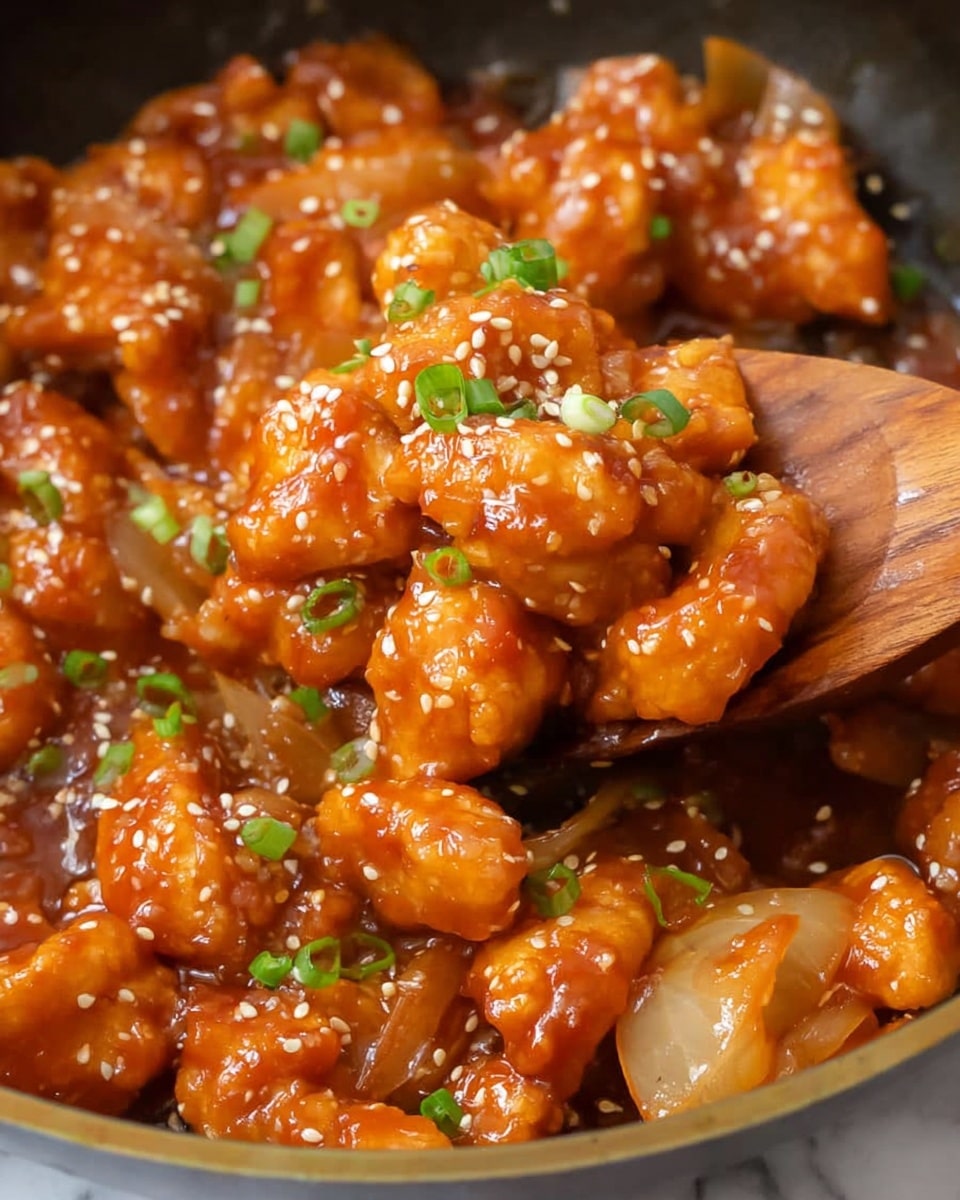
Quick & Easy Gochujang Chicken Recipe
If you’re craving a dish that’s bursting with vibrant, spicy-sweet flavors but doesn’t mess with your schedule, this Quick & Easy Gochujang Chicken Recipe is what I always turn to. It’s one of those meals that hits all the right spots — tender chicken coated in a glossy, sticky sauce that’s got just the right amount of heat and a hint of sweetness. I love how it comes together quickly, making it a perfect weeknight dinner when you want something special but don’t have hours to spend in the kitchen.
What makes this Quick & Easy Gochujang Chicken Recipe so worth trying is that it’s reliably delicious while being incredibly simple. You only need a handful of ingredients, and the sauce uses gochujang — a Korean chili paste that packs flavor punch without a ton of fuss. Plus, it’s versatile enough to pair with your favorite rice, noodles, or even a fresh salad if you’re looking to switch things up.
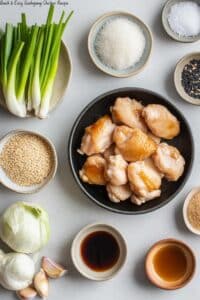
Ingredients You’ll Need
Each of these ingredients plays a superstar role in this Quick & Easy Gochujang Chicken Recipe, working together to create a balance of heat, sweetness, and savory depth. When shopping, look for good-quality gochujang to make a big difference in flavor.
- Chicken thighs: I prefer skinless boneless thighs here—they stay juicy and tender even with the quick cooking time.
- Onion: Adds a mild sweetness and texture; diced small so it melds right into the sauce.
- Cornstarch or potato starch: This is key for that crispy coating on the chicken and thickening the sauce just right.
- Vegetable oil (or neutral oil): Perfect for frying without overpowering the flavor.
- Green onion: Freshly chopped for garnish to brighten the dish with a bit of sharpness.
- Sesame seeds (optional): These add a toasty finish and a little crunch—don’t skip them if you can!
- Garlic cloves: Minced fresh garlic wakes up the sauce with aromatic depth.
- Sugar or honey: Balances the heat from the gochujang with a touch of natural sweetness.
- Gochujang: Korean chili paste is where the magic happens — spicy, savory, and slightly fermented.
- Soy sauce (regular or light): Brings the salty umami backbone to the sauce.
- Sesame seeds (for sauce): Adds nuttiness throughout, complementing the sesame oil.
- Sesame oil: Just a splash gives the dish that irresistible aroma.
- Cornstarch or potato starch/tapioca starch: Used again to thicken the sauce, giving it that perfect cling to the chicken.
- Water: Cold or room temperature to dissolve the starch and create the sauce consistency.
Variations
I always encourage you to make this Quick & Easy Gochujang Chicken Recipe your own. Here are a few tweaks I’ve tried myself and really enjoyed – feel free to experiment based on what you love or have available.
- Variation: For a lighter option, swap out chicken thighs for chicken breasts, but watch your cooking time as breasts cook faster and can dry out.
- Variation: Add veggies like bell peppers or snap peas either during the last few minutes of cooking or as a quick stir-fry side—this adds crunch and freshness to the meal.
- Variation: If you prefer less heat, reduce the gochujang by half and add a little extra honey to keep that sweet-spicy balance.
- Variation: Gluten-free friends, just use tamari instead of soy sauce and make sure your starch is potato or tapioca-based.
How to Make Quick & Easy Gochujang Chicken Recipe
Step 1: Prep the Chicken for Crispy Coating
Start by patting your chicken thighs dry with paper towels—this helps the cornstarch stick better and get that satisfying crisp. Then, toss the diced onion and chicken in the cornstarch until everything is lightly dusted. This coating is going to give you that nice crunch that contrasts perfectly with the sticky sauce later on.
Step 2: Fry the Chicken and Onion
Heat your vegetable oil in a large skillet over medium-high heat. Once hot, add your chicken and onion pieces—make sure not to crowd the pan so the chicken crisps rather than steams. Cook for about 4-5 minutes per side, flipping carefully, until the chicken is golden and cooked through. I like to keep the heat steady so the coating gets crisp but doesn’t burn.
Step 3: Whip Up the Flavorful Gochujang Sauce
While the chicken fries, mix together minced garlic, sugar (or honey), gochujang, soy sauce, sesame seeds, sesame oil, cornstarch, and cold water in a small bowl until smooth. The cold water helps dissolve the starch so your sauce thickens perfectly without lumps. Pro tip: Stir this vigorously to avoid clumps before adding it to the pan.
Step 4: Coat the Chicken in Sauce
When your chicken is crispy and cooked, reduce the heat to medium and pour the sauce evenly over the chicken in the pan. Keep stirring gently and cook for another 2-3 minutes until the sauce thickens and becomes glossy, clinging beautifully to each piece. Don’t rush this part—good things happen when you let the sauce thicken just right.
How to Serve Quick & Easy Gochujang Chicken Recipe
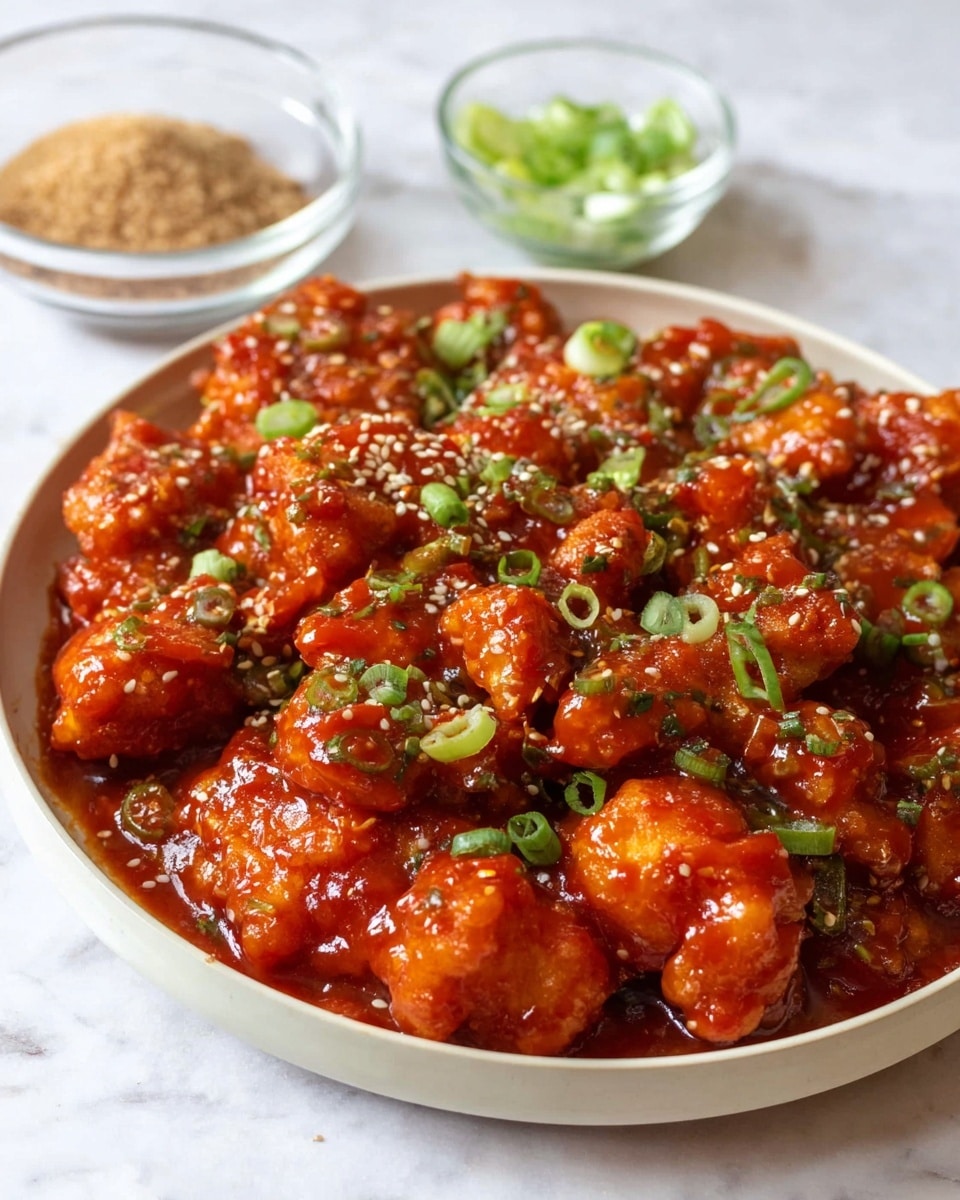
Garnishes
I always top my Gochujang Chicken with finely chopped green onions and a sprinkle of toasted sesame seeds. It adds freshness and a little crunch that totally elevates the dish. Sometimes I add a few slices of fresh cucumber or radish on the side for cool contrast. Trust me, those garnishes aren’t just pretty—they make every bite sing.
Side Dishes
This chicken pairs wonderfully with simple steamed white rice, which soaks up that flavorful sauce perfectly. On busy nights, I often serve it alongside quick cucumber kimchi or a crisp Asian slaw for balance. If you’re feeling indulgent, creamy mashed potatoes with a hint of garlic also work surprisingly well—sweet and spicy sauce over creamy comfort is unbeatable.
Creative Ways to Present
For a fun twist when I have friends over, I serve this Quick & Easy Gochujang Chicken on rice paper wraps with fresh herbs, shredded carrots, and lettuce leaves for DIY lettuce wraps. Not just delicious—it’s interactive and impressive. Another idea is plating it on a bed of sautéed greens or roasted vegetables to add color and texture for special occasions.
Make Ahead and Storage
Storing Leftovers
I usually store leftover Gochujang Chicken in an airtight container in the fridge for up to 3 days. The sauce might thicken a bit as it chills, but it tastes just as vibrant after reheating. Just make sure to keep it separated from fresh garnishes until serving to keep everything fresh and crisp.
Freezing
You can freeze this chicken, but I recommend freezing the sauce and chicken separately if possible, or using the chicken for stir-fries or fried rice later. When thawed, the texture of fried chicken can change a little, but it still works well in other quick meals and keeps that delicious flavor alive.
Reheating
Reheat gently in a skillet over medium heat, adding a splash of water if the sauce feels too thick. I avoid microwaving because the coating can get soggy fast, but if you’re in a hurry, microwave in short bursts and finish with a quick sear in a hot pan to crisp it back up.
FAQs
-
Can I use chicken breast instead of thighs in this recipe?
Absolutely! Chicken breasts can work, but since they’re leaner, be careful not to overcook them. Cut them into bite-sized pieces for even cooking and keep a close eye on cooking time to avoid dryness. You might also consider marinating breasts a little longer to help keep them juicy.
-
What can I substitute for gochujang if I can’t find it?
If gochujang is hard to find, you can mix a combination of chili paste or sriracha with a touch of miso paste and a bit of honey or sugar to mimic its sweet-spicy-fermented flavor. It won’t be exactly the same, but it makes a good stand-in in a pinch.
-
How spicy is this Quick & Easy Gochujang Chicken Recipe?
The spiciness is moderate and balanced by the sweetness from sugar or honey, so it’s not overly hot for most people. You can always adjust the amount of gochujang to make it milder or hotter depending on your preference.
-
Can I make this recipe gluten-free?
Yes! Use tamari or gluten-free soy sauce options, and ensure you use potato or tapioca starch instead of cornstarch if you have sensitivities. Gochujang is sometimes made with wheat, so check the label or opt for a gluten-free brand.
Final Thoughts
This Quick & Easy Gochujang Chicken Recipe has become one of my go-to dishes when I want something flavorful, comforting, and ready in no time. There’s something so satisfying about the way the spicy-sweet sauce perfectly coats crispy chicken, making it a crowd-pleaser whether it’s a weeknight dinner or a casual get-together. I really hope you give it a try—you might find it becoming a staple in your kitchen like it is in mine!
PrintQuick & Easy Gochujang Chicken Recipe
This Quick & Easy Gochujang Chicken recipe features tender chicken thighs coated in a crispy starch crust and tossed in a sweet, spicy, and savory gochujang-based sauce. Perfect for a flavorful weeknight dinner, it balances the bold flavors of Korean chili paste with garlic, soy, and sesame for an irresistible dish that’s ready in under 30 minutes.
- Prep Time: 10 minutes
- Cook Time: 15 minutes
- Total Time: 25 minutes
- Yield: 4 servings 1x
- Category: Main Course
- Method: Frying
- Cuisine: Korean
Ingredients
Chicken and Coating
- 1 lb skinless boneless chicken thighs
- ½ onion, diced
- ⅓ cup cornstarch or potato starch
- ¼ cup vegetable oil or any neutral oil
- 1 green onion, finely chopped
- ½ teaspoon sesame seeds (optional garnish)
Sauce
- 2 cloves garlic, minced
- 2 tablespoons white granulated sugar or cane sugar, or honey
- 2 tablespoons Gochujang (Korean chili paste)
- 2 tablespoons regular soy sauce or light soy sauce
- 2 teaspoons sesame seeds
- 1 teaspoon sesame oil
- 1 tablespoon cornstarch, potato starch, or tapioca starch
- 1 cup water, cold or room temperature
Instructions
- Prepare the Chicken: Dice the skinless boneless chicken thighs into bite-sized pieces. Pat them dry slightly with paper towels to help the starch stick better. Then coat the chicken pieces evenly with the cornstarch or potato starch until well-covered.
- Cook the Chicken: Heat ¼ cup vegetable oil in a large skillet over medium-high heat. Once hot, add the coated chicken pieces in a single layer. Fry the chicken for 5-7 minutes, turning occasionally, until golden brown and cooked through. Remove the chicken from the pan and set aside on a paper towel-lined plate to drain excess oil.
- Make the Sauce: In the same skillet, reduce heat to medium. Add the minced garlic and diced onion, sautéing until fragrant and softened, about 2 minutes. In a bowl, whisk together the water, gochujang, soy sauce, sugar or honey, 1 tablespoon cornstarch, sesame seeds, and sesame oil until fully combined and smooth.
- Combine and Thicken: Pour the sauce mixture into the skillet with the cooked garlic and onions. Stir continuously until the sauce begins to thicken, about 2-3 minutes. Once thickened to a glossy consistency, return the fried chicken pieces to the skillet, tossing them thoroughly to coat each piece evenly with the sauce.
- Garnish and Serve: Transfer the saucy chicken to a serving plate. Sprinkle with chopped green onions and additional sesame seeds if desired. Serve hot with steamed rice or your favorite side dishes.
Notes
- Potato starch or tapioca starch can be substituted for cornstarch for a slightly different texture but equally crispy coating.
- Adjust the sweetness in the sauce by varying the amount of sugar or honey to your taste preference.
- For a spicier version, add extra gochujang or a pinch of red pepper flakes to the sauce.
- To make the dish gluten-free, use tamari or a gluten-free soy sauce alternative.
- Leftover chicken can be stored in an airtight container in the refrigerator for up to 3 days and reheated gently on the stovetop to maintain crispiness.
Keywords: Gochujang Chicken, Korean Chicken Recipe, Spicy Korean Chicken, Fried Chicken Korean Style, Quick Korean Dinner