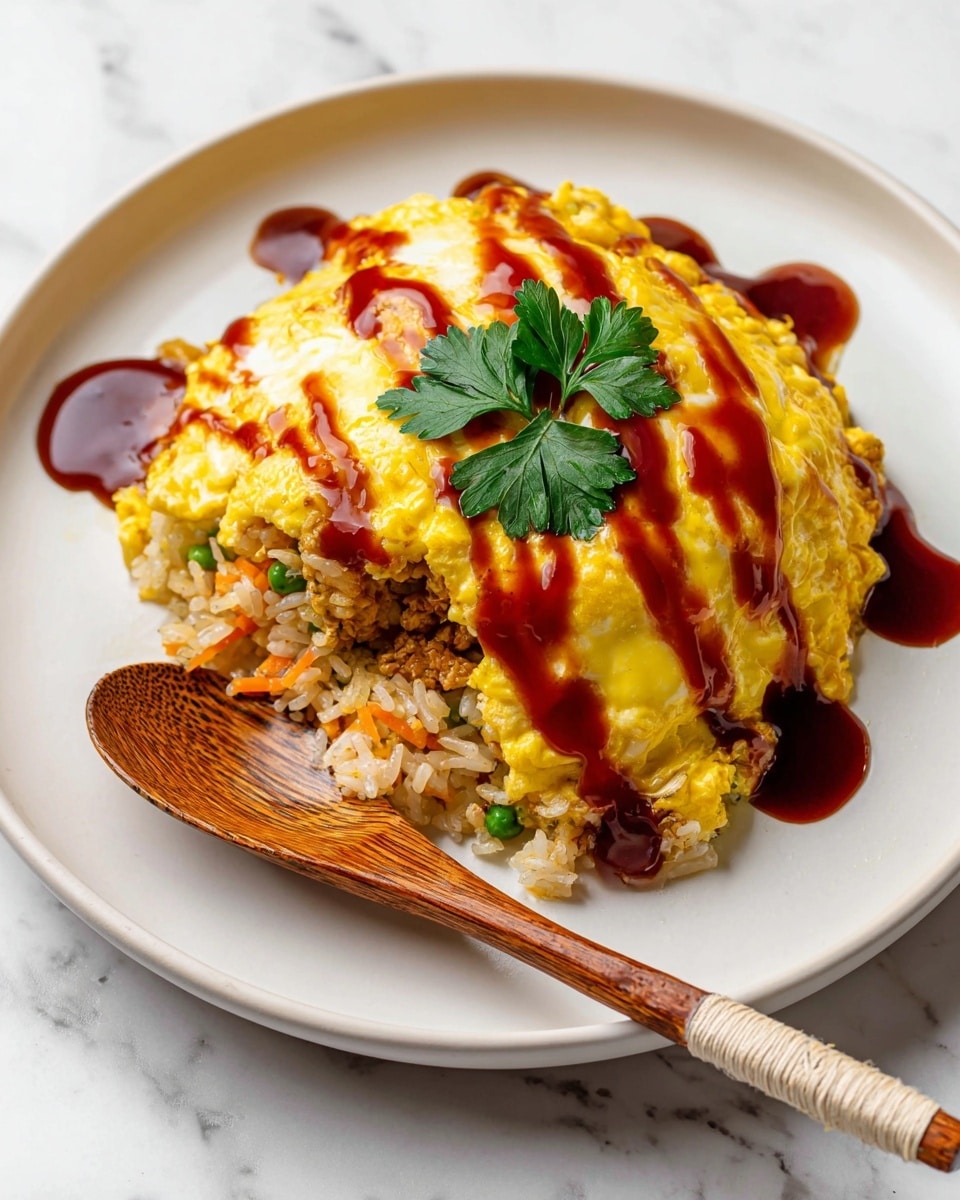
Omurice (Japanese Omelette-Topped Fried Rice) Recipe
If you’ve never tried Japanese comfort food at home, Omurice (Japanese Omelette-Topped Fried Rice) Recipe is a fantastic place to start. It’s simply a fluffy omelette wrapped over flavorful fried rice with a tangy ketchup twist, making it a comforting yet exciting meal. I love how it feels special but is surprisingly easy to whip up after a busy day.
What really makes this dish worth trying is the balance of textures and flavors—the tender chicken, sweet carrots, and savory rice all wrapped in a silky egg blanket. Omurice is perfect for lunchboxes, casual dinners, or when you want to impress friends with minimal fuss. Once you nail this Omurice (Japanese Omelette-Topped Fried Rice) Recipe, you’ll find yourself coming back to it again and again.
Ingredients You’ll Need
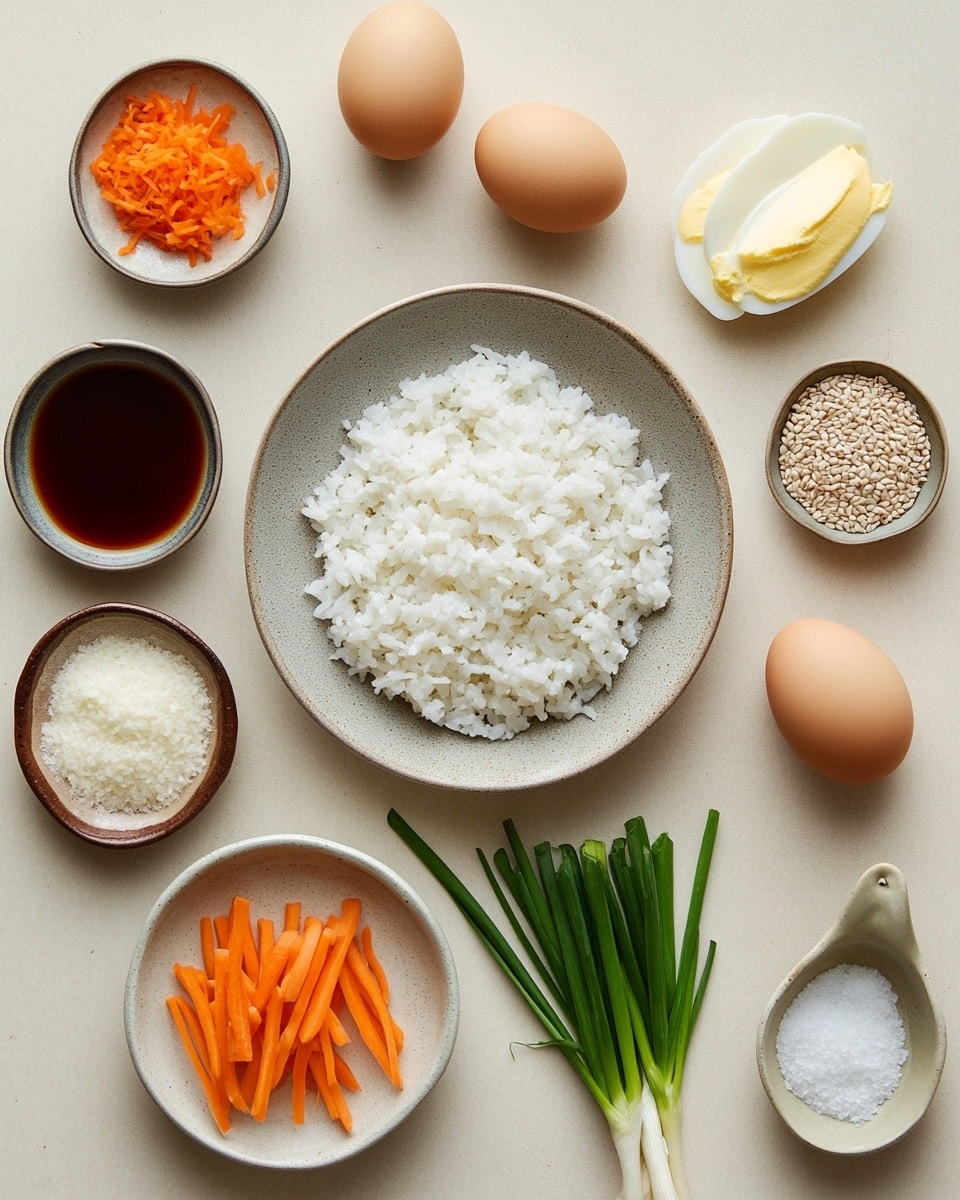
The ingredients for this Omurice (Japanese Omelette-Topped Fried Rice) Recipe come together beautifully to create that classic flavor and texture. Using sushi rice gives the fried rice the best stickiness and texture, while a touch of ketchup brightens everything up. Here’s what you’ll want to grab from the store:
- Cooked white sushi rice: Best if it’s a day old or at least cooled so it fries without turning mushy.
- Vegetable or canola oil: Neutral-flavored oils keep the dish clean-tasting without overpowering the other ingredients.
- Yellow onion, minced: Adds sweetness and depth, soften it slowly for the best flavor.
- Diced carrot: I like using a larger carrot for a bit of crunch and sweetness that contrasts nicely with the savory rice.
- Skinless, boneless chicken thigh: Juicier than breast, it stays tender even after frying.
- Ketchup: Thinned with a little water, it gives that signature tangy glaze and moistens the rice without overpowering it.
- Scallion, thinly sliced: Adds a fresh, mild onion bite to balance the richness.
- Kosher salt and freshly ground black pepper: Essential seasonings to bring out all the flavors.
- Large eggs, beaten with a pinch of salt: Makes the fluffy omelette exterior that wraps the fried rice beautifully.
- Kewpie mayonnaise: Optional but highly recommended for drizzling on top. It adds creaminess and a subtle tang.
Variations
I love how Omurice (Japanese Omelette-Topped Fried Rice) Recipe invites customization. Playing with ingredients or even the type of protein can make it feel fresh every time you make it. Feel free to experiment and make it your own!
- Vegetarian Omurice: Swap chicken for diced mushrooms or tofu. I’ve done this before with shiitake mushrooms sautéed until golden, and it was just as satisfying.
- Spicy kick: Add a little sriracha or chili flakes into the ketchup sauce if you want more heat—it gives the dish a fun twist.
- Seafood version: Shrimp or crab meat can be a tasty swap for chicken if you have it on hand; just cook lightly to avoid toughness.
- Brown rice variation: For a healthier take, try using brown rice, but keep in mind the texture will be chewier—adjust cooking times accordingly.
- Cheese stuffing: Add a bit of grated cheese inside the omelette before folding it for gooey deliciousness—super comforting on colder days.
How to Make Omurice (Japanese Omelette-Topped Fried Rice) Recipe
Step 1: Prepping and Cooking the Fried Rice
Start by heating 3 tablespoons of oil over medium heat in a wide skillet. Toss in the minced onion and diced carrot, cooking gently until the onion is soft and translucent—this usually takes about 4-5 minutes. You want these veggies to sweat and develop sweetness; don’t rush it by turning up the heat. Next, add the diced chicken thigh and cook until the pieces turn white all over and are just cooked through, about 3 minutes. Stir everything frequently to keep it from sticking.
Now, it’s time to add the rice. Break up any clumps and stir it in evenly with the chicken and veggies. Pour in the ketchup thinned with a tablespoon of water—this keeps the sauce from becoming too thick or sticky. Stir fry it all together, making sure the rice is evenly coated with that lovely ketchup flavor. Finish by folding in the sliced scallions, and season with salt and pepper to taste. Once your fried rice is ready, scoop it onto a warm plate and keep it handy for wrapping.
Step 2: Making the Fluffy Omelette
Use a non-stick pan and heat about 2 tablespoons of oil over medium-low heat. Beat the eggs lightly with a pinch of salt, then pour all of it into the hot pan. Here’s the trick: don’t scramble it. Instead, gently stir the egg just until it’s starting to set and thickens slightly but still runny on top. You want a soft, silky omelette—not dry or rubbery. Once it reaches that perfect texture, carefully slide the omelette over the fried rice on your plate.
I’ve found it’s easiest to slide the omelette onto the rice by tilting the pan and using a spatula to guide it. If the omelette tears a bit, no worries—it’s all about flavor! Wrap it gently with the edges tucked underneath for a neat presentation. Don’t forget to wipe your pan clean and lightly oil it if you’re making multiple servings.
How to Serve Omurice (Japanese Omelette-Topped Fried Rice) Recipe
Garnishes
I always drizzle a little extra ketchup on top in a zigzag pattern for that classic look. A few thin lines of Kewpie mayonnaise add a creamy contrast, making every bite a little richer. Sometimes I sprinkle chopped fresh parsley or extra scallions for color and freshness. These simple finishing touches elevate the dish beyond just flavor—they make it fun and inviting.
Side Dishes
To round out the meal, I like serving Omurice with a light side salad—something crisp and acidic like a cucumber and tomato salad works wonders. Miso soup or a simple clear broth soup brings warmth and depth, balancing the richness of the omelette and rice. Pickles, such as Japanese pickled ginger or even a quick kimchi, can add a refreshing zing on the side too.
Creative Ways to Present
For special occasions, I’ve tried making individual mini Omurice servings in cupcake molds—cute and perfect for party trays. Another fun idea is folding the omelette into a neat square or creating a heart shape if you’re making it for someone special. Wrapping the fried rice in foil and slicing the roll into rounds is a great finger-food variation I’ve shared at casual get-togethers.
Make Ahead and Storage
Storing Leftovers
If you have leftovers, keep the fried rice separate from the omelette to avoid sogginess. Store the rice in an airtight container in the refrigerator and the eggs in another. This way, the rice maintains its texture and the eggs don’t get rubbery overnight. Leftover fried rice generally stays good for up to 3 days.
Freezing
I usually freeze just the fried rice portion in a freezer bag or container when I want to prep in advance. Freezing the omelette is tricky since the texture changes after thawing. When reheated carefully, the fried rice freezes and thaws nicely and can be reheated multiple times without losing flavor.
Reheating
When reheating leftovers, microwave is easiest but sometimes makes the omelette tough. I prefer reheating fried rice in a skillet on medium heat with a splash of oil and a little water to steam it slightly. For the egg, fresh is best—if reheating, keep it gentle and cover the pan to retain moisture. This way, you’ll enjoy the textures closer to freshly made Omurice (Japanese Omelette-Topped Fried Rice) Recipe.
FAQs
-
Can I use regular rice instead of sushi rice for Omurice?
Yes, you can use regular short-grain rice or even medium-grain rice if sushi rice isn’t available. Just make sure the rice is cooked and cooled properly so it doesn’t get mushy during frying. Day-old rice stored in the refrigerator works best to get that perfect fluffy texture.
-
How do I get the omelette so soft and not overcooked?
Cooking the egg over medium-low heat and gently stirring just until the edges set helps keep it soft. Avoid high heat, which cooks the egg too fast and results in rubberiness. Remove the pan from heat while the top is still slightly runny because the residual heat will finish cooking it gently.
-
What can I use instead of ketchup in this recipe?
If you want a different flavor profile, you could substitute with tomato paste mixed with a little sugar and vinegar, or Worcestershire sauce for a tangier taste. However, ketchup is traditional and gives that characteristic sweetness and tang that defines Omurice.
-
Is Omurice suitable for meal prep?
Absolutely! The fried rice can be made ahead and stored in the fridge or freezer. The omelette is best made fresh, but you can quickly make it just before serving or reheat leftovers carefully. It makes for a quick and satisfying meal on busy days.
Final Thoughts
Honestly, Omurice (Japanese Omelette-Topped Fried Rice) Recipe holds a cozy spot in my kitchen repertoire. It’s like a gentle hug after a long day, straightforward to make but packed with flavors that feel both nostalgic and fresh. I’m excited for you to give this recipe a try—you’ll enjoy the process and definitely the delicious results. Once you’ve made it a couple of times, you’ll have your own special twists that make it even better. So go ahead, treat yourself to this comforting dish and share it with people you love.
PrintOmurice (Japanese Omelette-Topped Fried Rice) Recipe

Omurice is a popular Japanese comfort food featuring savory fried rice topped with a soft, fluffy omelette and finished with tangy ketchup and creamy Kewpie mayonnaise. This recipe combines tender chicken, vegetables, and ketchup-seasoned rice wrapped in a silky egg blanket, creating a delightful and satisfying meal that’s perfect for lunch or dinner.
- Prep Time: 10 minutes
- Cook Time: 15 minutes
- Total Time: 25 minutes
- Yield: 2 servings 1x
- Category: Main Course
- Method: Stovetop
- Cuisine: Japanese
Ingredients
Fried Rice
- 2 cups cooked white sushi rice (12 ounces; 350 g)
- 3 tablespoons vegetable or canola oil
- 1/2 cup minced yellow onion (100 g; about 1/2 medium onion)
- 1/2 cup diced carrot (100 g; about 1 large carrot)
- 3 ounces diced skinless, boneless chicken thigh (80 g; about 1/2 cup)
- 1/4 cup ketchup (60 ml), thinned with 1 tablespoon (15 ml) water
- Kosher salt, to taste
- Freshly ground black pepper, to taste
- 1 scallion, thinly sliced
Omelette
- 5 tablespoons vegetable or canola oil, divided
- 4 large eggs, beaten with a pinch of salt
To Serve
- Additional ketchup
- Kewpie mayonnaise
Instructions
- Prepare the Fried Rice: Heat 3 tablespoons of vegetable oil in a large skillet over medium heat. Add minced yellow onion and diced carrot, sautéing until softened and fragrant, about 3-4 minutes. Add diced chicken thigh and cook until no longer pink, about 5 minutes. Stir in the cooked sushi rice, breaking up any clumps, then mix in the thinned ketchup. Season with kosher salt and freshly ground black pepper to taste. Stir in thinly sliced scallion and cook for another 2 minutes to combine flavors. Remove from heat and keep warm.
- Cook the Omelette: In a clean non-stick skillet, heat the remaining 2 tablespoons of oil over medium heat. Pour in the beaten eggs seasoned with a pinch of salt and swirl the pan to spread evenly. Cook gently until the eggs are just set but still soft and slightly runny on top, approximately 1-2 minutes.
- Assemble the Omurice: Spoon the warm fried rice onto a plate, shaping it into an oval mound. Carefully slide the cooked omelette on top of the rice. Optionally, fold the edges of the omelette under the rice mound for a neater presentation.
- Serve: Drizzle additional ketchup and Kewpie mayonnaise over the omelette or serve on the side as preferred. Serve immediately while warm and enjoy the comforting flavors of this classic Japanese dish.
Notes
- Use day-old or cooled sushi rice for best texture, which prevents mushy fried rice.
- Chicken thigh gives a juicy and tender texture, but you can substitute chicken breast or use shrimp for variation.
- Adjust the ketchup quantity to taste for desired sweetness and tanginess.
- For extra richness, you can add a splash of soy sauce or Worcestershire sauce to the fried rice if desired.
- Eggs should be cooked gently to keep them soft and fluffy; avoid overcooking.
Keywords: Omurice, Japanese omelette rice, fried rice, chicken omurice, easy Japanese recipe