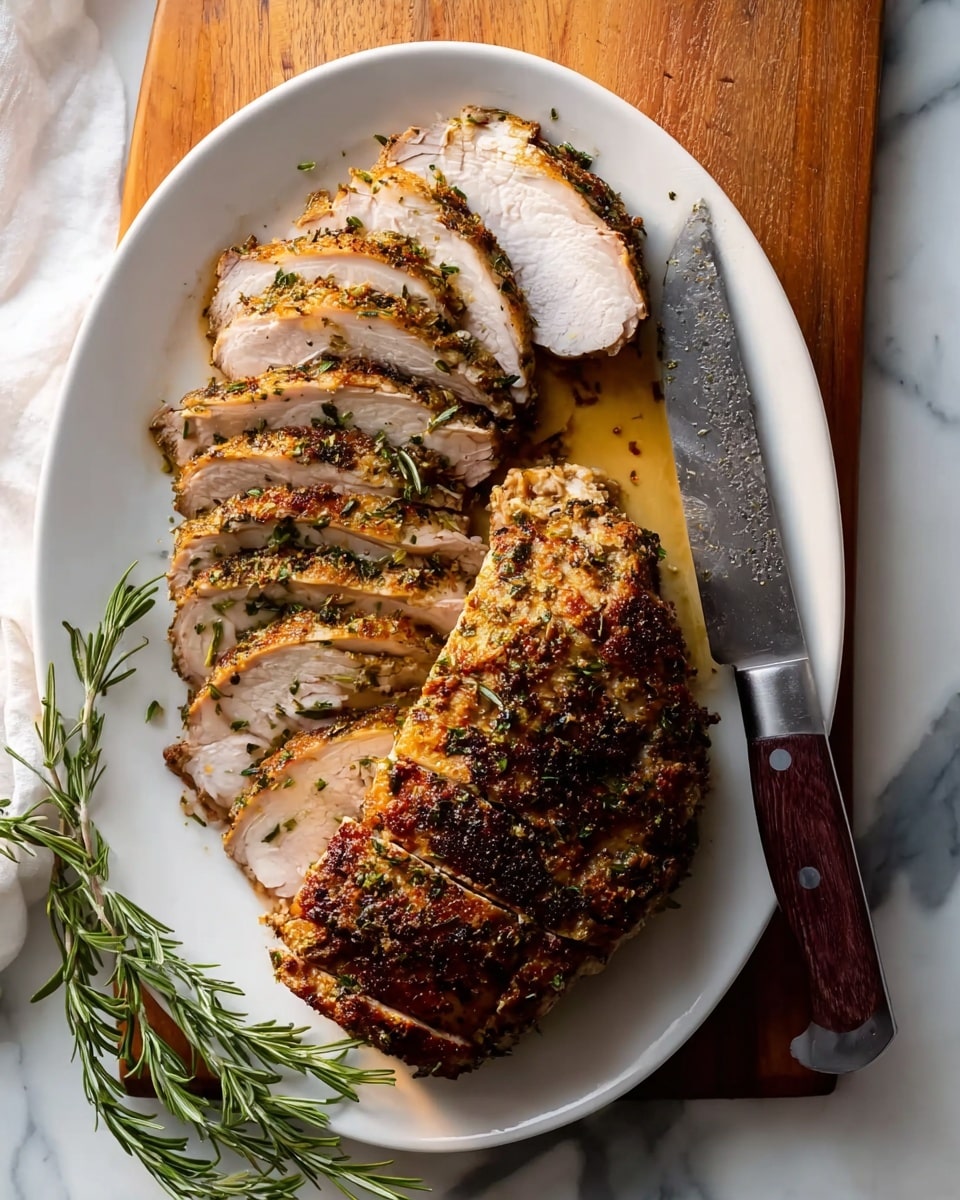
Juicy Boneless Herb-Crusted Turkey Roast with Rich Pan Gravy Recipe
If you’ve ever wished for a turkey roast that’s incredibly tender, bursting with herbal flavor, and ridiculously juicy, then this Juicy Boneless Herb-Crusted Turkey Roast with Rich Pan Gravy Recipe is your next go-to. It’s one of those dishes that manages to feel special enough for holidays but is easy enough to enjoy any time you want a comforting, impressive roast. The combination of garlic, fresh rosemary, and olive oil really brings out the turkey’s natural flavors without overwhelming it.
I love that this recipe uses a boneless roast, which makes carving a breeze and means juicy slices every time. Plus, the rich pan gravy you whip up from the roast drippings takes it from great to unforgettable. Whether you’re feeding a crowd or prepping a cozy family dinner, this turkey roast has the perfect balance of herbaceous depth and moist tenderness you’ll savor bite after bite.
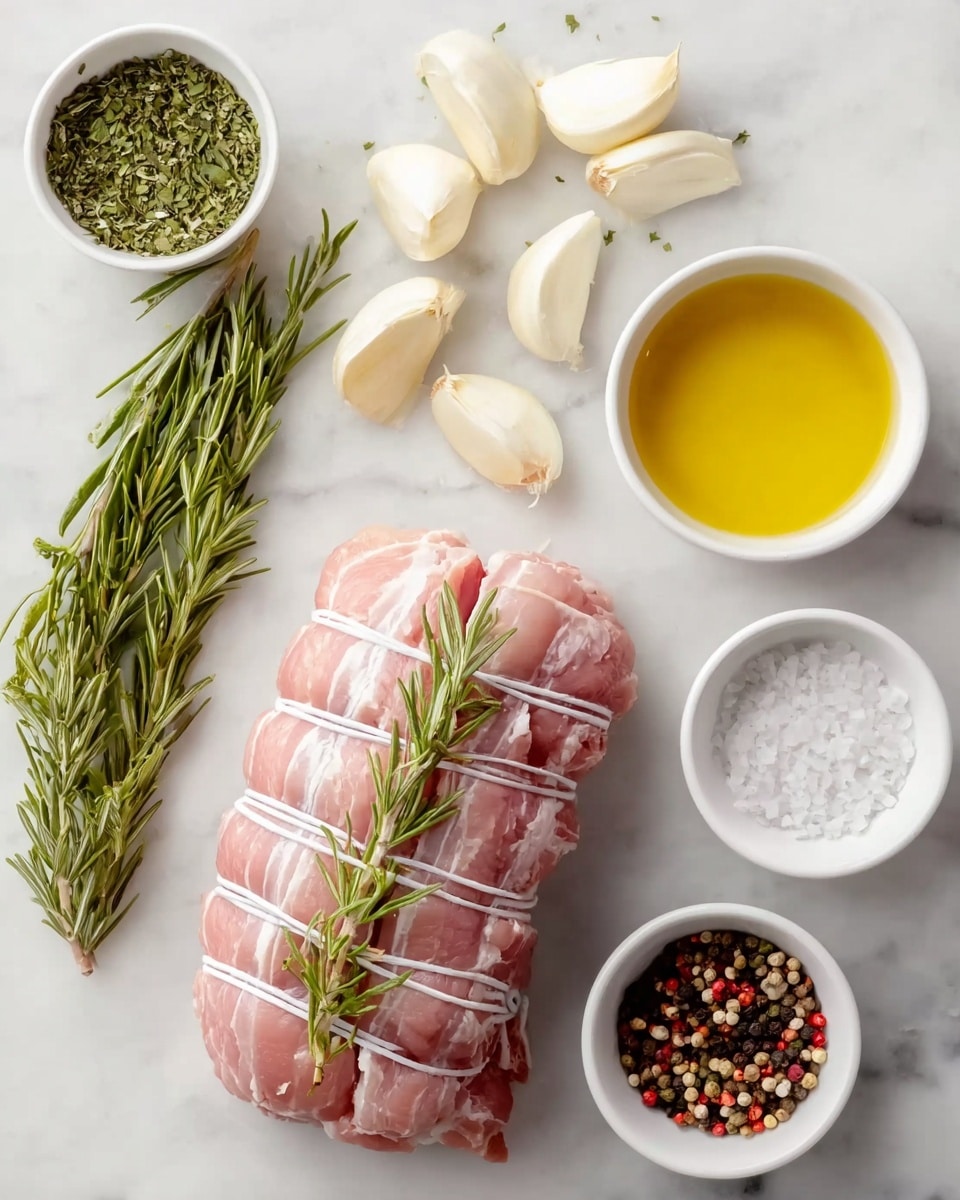
Ingredients You’ll Need
Every ingredient here plays a key role in building layers of flavor and juiciness. Picking fresh herbs and quality olive oil really makes a difference, and simple pantry staples turn the pan drippings into the most mouthwatering gravy you’ve had in ages.
- Boneless turkey roast: Choosing a fresh roast ensures maximum juiciness and texture; fresh rather than frozen is ideal if you can get it.
- Garlic cloves: Cutting them into matchsticks allows them to infuse the turkey subtly without overpowering.
- Fresh rosemary sprigs: Mince the rosemary leaves finely to evenly coat the roast for a fragrant herbal crust.
- Extra virgin olive oil: This not only helps the herbs stick but adds a beautiful richness and browning to the crust.
- Salt: Essential for seasoning deep into the turkey and bringing out its natural flavors.
- Ground black pepper: Freshly cracked pepper adds a gentle spicy kick balancing the herbs.
- Low sodium chicken stock or water: Using low sodium stock lets you control the saltiness of the pan gravy better.
- White wine: Adds brightness and depth to the gravy, feel free to substitute with a splash of apple cider vinegar if preferred.
- Butter: Stirring butter into your gravy gives it that velvety finish we all love.
- Cornstarch: Works as the perfect thickening agent for a silky pan gravy without lumps.
Variations
I often tweak this recipe based on what herbs I have on hand or the season, and you can too! This roast is wonderfully customizable, so don’t hesitate to make it your own.
- Herb Swaps: I’ve swapped rosemary for thyme or sage with great results—both bring their own charm and pair beautifully with turkey.
- Garlic Alternatives: If you like a milder garlic flavor, try using roasted garlic cloves instead of raw matchsticks for a sweeter, mellower taste.
- Gluten-Free Gravy: I use arrowroot powder instead of cornstarch when cooking for friends who are gluten sensitive; it thickens beautifully too.
- Wine-Free Version: Sometimes I skip the wine and add a squeeze of lemon juice to brighten the gravy without alcohol.
How to Make Juicy Boneless Herb-Crusted Turkey Roast with Rich Pan Gravy Recipe
Step 1: Prep the Turkey with Garlic and Herbs
Start by preheating your oven to 350°F. Place your boneless turkey roast in a medium-sized roasting pan or Dutch oven and use a paring knife to make 10-15 small slits all over the roast. This is my favorite step because when you insert those garlic matchsticks into the slits, they slowly infuse the meat with a lovely, mellow garlic aroma as it cooks. Don’t rush this—make the slits evenly spaced so the flavors penetrate throughout.
Step 2: Coat in Olive Oil, Salt, Pepper, and Rosemary
Rub the entire turkey roast with olive oil—it helps the herbs stick and promotes an irresistible golden crust. Sprinkle salt and pepper evenly around the roast, seasoning every inch. Then, pat minced rosemary all over the surface to create that herb-crusted effect that just screams comfort food done right. I find gently pressing the herbs into the olive oil helps them cling better and not fall off in the oven.
Step 3: Roast Until Juicy and Tender
Bake your turkey uncovered for about 90 minutes, but here’s the trick: use a meat thermometer to check for an internal temperature of 160°F. This ensures the turkey stays juicy and doesn’t dry out. Once you hit 160°F, pull it out and cover it loosely—resting the roast for 10 minutes allows the juices to redistribute, bringing the internal temperature up to around 170°F. Trust me, this resting step makes all the difference for tenderness.
Step 4: Remove the Casing and Slice
Carefully remove the casing from the turkey roast using a sharp knife or kitchen scissors. This might feel a bit fiddly at first, but take your time to avoid damaging the roast. After that, slice the turkey into beautiful, juicy pieces. You can serve it warm right away or let it cool for sandwiches or appetizers—both ways are delicious in my opinion.
Step 5: Make the Rich Pan Gravy
Place the roasting pan with the turkey drippings over medium heat on your stovetop. Be sure to scrape up any browned bits or leftover rosemary stuck in the pan—that’s pure flavor gold. Discard the casing, then pour in the chicken stock and bring it to a boil while whisking to deglaze the pan. Add the white wine, butter, salt, and pepper, bringing it back to a boil before reducing heat.
Mix cornstarch with some hot gravy until smooth, then whisk back into the pan. Keep whisking until the gravy boils again and thickens, about 2-3 minutes. This homemade gravy is seriously the perfect partner to your juicy turkey.
How to Serve Juicy Boneless Herb-Crusted Turkey Roast with Rich Pan Gravy Recipe
Garnishes
I like to garnish this turkey roast with a few fresh rosemary sprigs or a sprinkle of chopped parsley for a burst of color and extra herbal aroma. Sometimes, a few thin lemon slices on the plate brighten up the presentation and add a subtle citrusy balance to the rich meat and gravy.
Side Dishes
Mashed potatoes are my classic go-to when serving this turkey roast—it’s a no-fail combo that soaks up the gravy beautifully. Roasted seasonal vegetables, like carrots and Brussels sprouts, add lovely texture and sweetness that complement the herbal notes perfectly. On other occasions, I serve it with a fresh green salad mixed with toasted nuts for a lighter contrast.
Creative Ways to Present
For holiday dinners or special occasions, I like to carve the turkey roast tableside for a touch of theatrical flair—it always impresses guests! You could also create a stunning sandwich platter with sliced turkey, cranberry sauce, fresh arugula, and artisan bread, turning your leftovers into a luxurious lunch that never feels like day-old turkey.
Make Ahead and Storage
Storing Leftovers
I usually keep leftover turkey whole or sliced in an airtight container in the fridge for up to a week. This roast stays juicy both hot and cold, so I often enjoy it cold for sandwiches or in salads midweek. The pan gravy refrigerates well too and can be gently reheated for a quick meal upgrade.
Freezing
I’ve frozen sliced turkey in individual portions wrapped tightly in plastic wrap, then placed inside freezer bags for up to 3 months. When thawed slowly in the refrigerator, the meat retains its moisture and texture wonderfully, making it easy to enjoy even long after the original roast day.
Reheating
To reheat, I prefer warming slices gently in a skillet with a splash of broth or gravy to prevent drying out. Alternatively, reheating covered in the oven at low temperature works great too. Avoid microwaving as it can dry the meat unevenly, but if you have to, cover the turkey and add a damp paper towel to retain moisture.
FAQs
-
Can I use frozen turkey roast for this recipe?
It’s best to use fresh turkey roast because it tends to stay juicier and takes less time to cook evenly. If you must use frozen, thaw it fully in the refrigerator for 24-48 hours before cooking to ensure even roasting and safe internal temperature.
-
How do I know when the turkey roast is done?
Using a meat thermometer is the most reliable way. Insert it into the thickest part of the roast; when it reads 160°F, remove the roast from the oven and let it rest for 10 minutes so the temperature rises to 170°F and juices redistribute for maximum moistness.
-
Can I make the pan gravy without white wine?
Absolutely! If you prefer to skip wine, simply substitute with an equal amount of chicken stock plus a splash of lemon juice or apple cider vinegar to brighten the gravy’s flavor while keeping it rich and delicious.
-
What’s the best way to insert garlic into the turkey?
Make sure your slits are deep enough to hold the garlic matchsticks securely but not so large that they fall out during roasting. Evenly spacing the garlic around the roast allows the flavors to infuse uniformly without overpowering any bite.
-
Can this recipe be doubled for a bigger gathering?
Definitely! Just adjust your roasting pan size accordingly and be mindful that cooking times may increase slightly. A meat thermometer is your best friend here to ensure perfect doneness without drying out the meat.
Final Thoughts
This Juicy Boneless Herb-Crusted Turkey Roast with Rich Pan Gravy Recipe holds a special spot in my kitchen rotation because it’s such a straightforward way to get that irresistible roast feel without fuss. The simple steps, familiar ingredients, and forgiving nature of the recipe make it a dish I happily recommend to friends and family time after time. I hope you give it a try and discover just how rewarding and tasty a homemade turkey roast can be — your dinner table is going to love it!
PrintJuicy Boneless Herb-Crusted Turkey Roast with Rich Pan Gravy Recipe
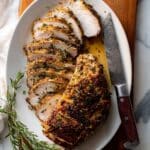
This Juicy Boneless Turkey Roast with Herb Tips is a flavorful and tender main dish perfect for family dinners or special occasions. Infused with garlic and rosemary, and cooked to juicy perfection with a simple yet rich herb gravy, this turkey roast offers a deliciously aromatic experience that pairs beautifully with mashed potatoes or sandwiches.
- Prep Time: 10 minutes
- Cook Time: 1 hour 30 minutes
- Total Time: 1 hour 40 minutes
- Yield: 10 servings 1x
- Category: Main Course
- Method: Baking
- Cuisine: American
Ingredients
Turkey Roast
- 3 pounds fresh boneless turkey roast, in casing
- 3 large garlic cloves, cut into matchsticks
- 3 large rosemary sprigs, leaves removed and minced
- 2 tablespoons extra virgin olive oil
- 1 1/4 teaspoons salt
- Ground black pepper, to taste
Gravy
- 2 cups low sodium chicken stock, or water
- 1/4 cup white wine
- 1 tablespoon butter
- 1 tablespoon cornstarch
- 1/4 teaspoon salt
- Ground black pepper, to taste
Instructions
- Prepare the oven and turkey: Preheat your oven to 350°F. Place the turkey roast in a medium roasting pan or Dutch oven. Using a paring knife, make 10-15 small slits evenly around the roast. Insert the garlic matchsticks into these slits for aromatic infusion.
- Season the turkey: Rub the turkey roast all over with olive oil. Sprinkle salt and pepper evenly on all sides. Pat the minced rosemary all over the turkey to create an even herb coating that will enhance the flavor during roasting.
- Roast the turkey: Bake the turkey roast uncovered for about 90 minutes. Use a meat thermometer to check the internal temperature; it should reach 160°F to ensure it is safely cooked and juicy.
- Rest the turkey: Remove the roast from the oven and cover it. Let it rest for 10 minutes to allow the internal temperature to rise to 170°F and the juices to redistribute, maintaining moisture.
- Prepare for serving: Carefully remove the casing using a sharp knife or scissors. Slice the roast and serve warm alongside mashed potatoes and gravy, or cool to use for appetizers or sandwiches.
- Make the gravy base: Place the roasting pan with the turkey drippings on medium heat. Scrape any rosemary and browned bits left from the casing into the pan for extra flavor. Discard the casing.
- Deglaze the pan: Pour in chicken stock and bring to a boil, cooking for 5 minutes while whisking to deglaze the pan and loosen flavorful bits. Add white wine, butter, salt, and pepper. Bring back to a boil, then reduce heat to low-medium and simmer for another 5 minutes.
- Thicken the gravy: In a small bowl, mix some hot gravy with cornstarch until smooth to prevent lumps. Stir this mixture back into the pan, whisking continuously until the gravy boils again and thickens.
- Finish the gravy: Continue cooking the gravy for 2–3 minutes until it slightly thickens to the desired consistency. Serve alongside your juicy turkey roast.
Notes
- Storage: Refrigerate whole or sliced turkey roast in an airtight container for up to one week. Both cold and warm servings pair beautifully with gravy.
- Freezing: Freeze leftover turkey sliced or cut into bite-sized pieces in an airtight container for up to 3 months. Thaw safely in the refrigerator before use.
- Make Ahead: Prepare the turkey with the garlic and herbs and refrigerate covered for up to 24 hours prior to roasting. Allow to come to room temperature before baking for even cooking.
Keywords: turkey roast, boneless turkey, herb turkey, roasted turkey, garlic rosemary turkey, holiday turkey recipe, turkey gravy