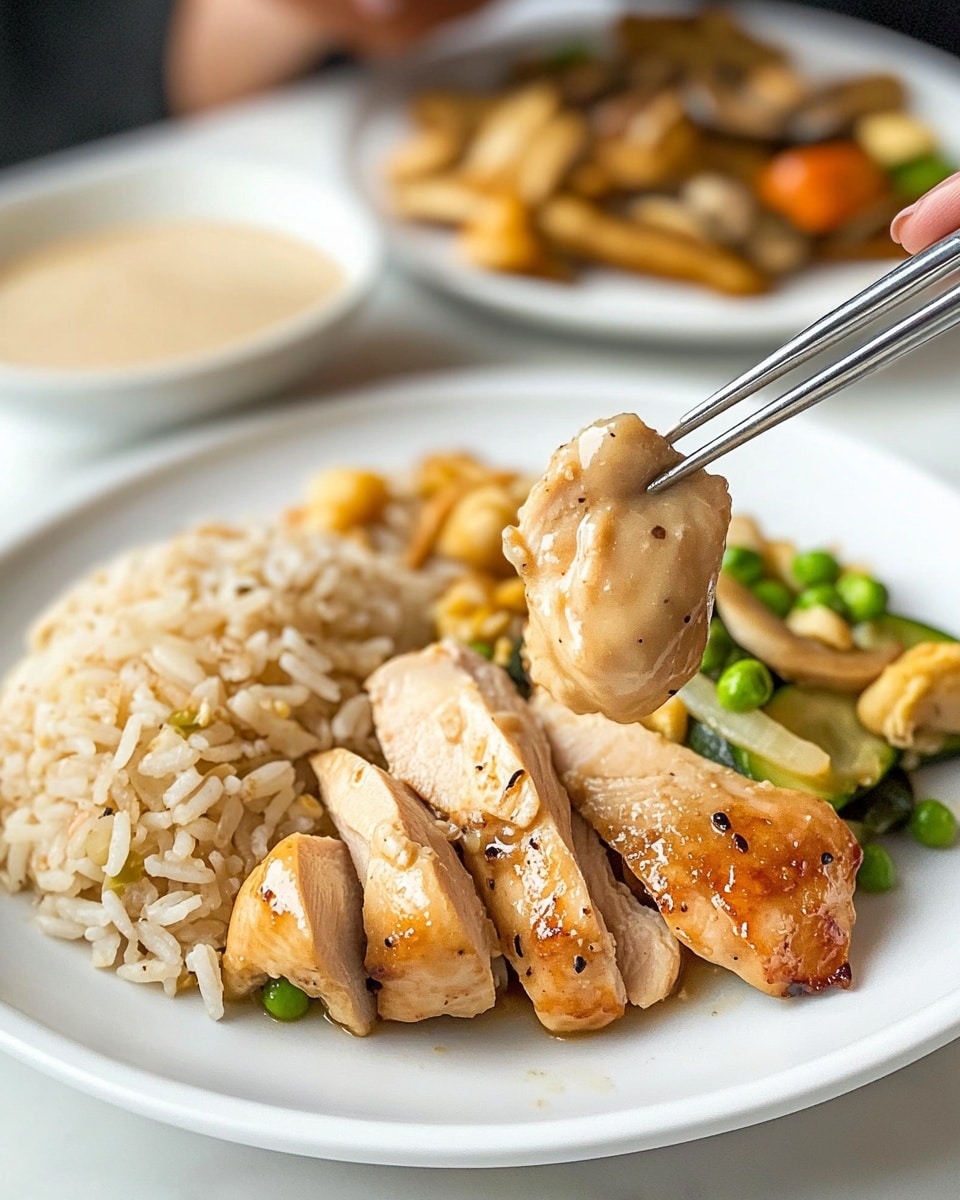
Hibachi Chicken with Fried Rice and Vegetables Recipe
If you love the taste and sizzle of dining at a hibachi grill but want to bring that magic home, this Hibachi Chicken with Fried Rice and Vegetables Recipe is exactly what you need. It’s packed with delicious layers—from the tender, soy-kissed chicken to the buttery fried rice and perfectly sautéed vegetables. This combo not only fills your kitchen with mouthwatering aromas but is quick enough for a weeknight dinner or special enough for a weekend treat.
What makes this Hibachi Chicken with Fried Rice and Vegetables Recipe stand out for me is the balance of textures and those small flavor boosters like the homemade mustard sauce. I find that having a sauce ready to drizzle brings everything to life and makes the dish feel vibrant and restaurant-quality. Plus, using day-old rice for the fried rice helps you get that authentic, slightly crispy texture every time. Trust me, you’ll want to try this recipe over and over!
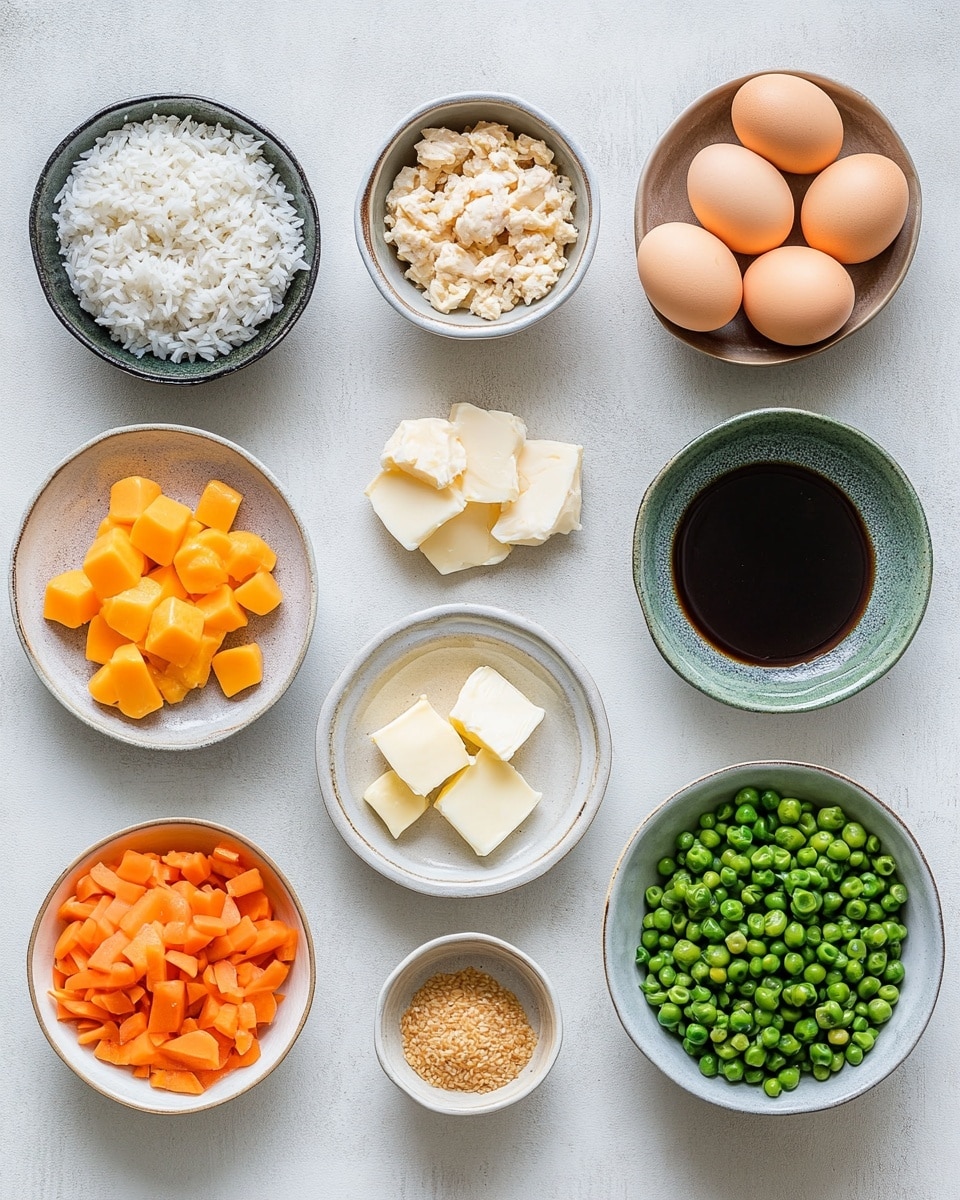
Ingredients You’ll Need
Every ingredient here plays its part—whether it’s the toasted sesame seeds giving that nutty crunch or the fresh lemon juice brightening up the chicken. When you shop, look for fresh veggies and good-quality boneless chicken breasts to make the most of this recipe.
- White sesame seeds: Lightly toasted for a nutty flavor that elevates the mustard sauce.
- Ground mustard: Adds a subtle tang to the sauce—fresh and bright.
- Honey: Balances out the mustard with a touch of sweetness.
- Low-sodium soy sauce: Key for saltiness without overpowering, used in chicken, sauce, and vegetables.
- Half-and-half: Gives the mustard sauce its creamy texture without being too heavy.
- Minced garlic: Adds a punch of savory depth—don’t skimp on this one.
- Neutral-flavored oil: Avocado or refined coconut oil works great for frying without extra flavors.
- Diced white onion: Sweetens up as it cooks, essential for fried rice and sautéed veggies.
- Frozen mixed vegetables: Peas, carrots, and corn add color, texture, and nutrients.
- Eggs: Scrambled into the fried rice for richness and protein.
- Cooked rice: Day-old rice is best for that ideal fried rice texture.
- Butter: Used in rice, chicken, and veggies for that luscious, rich taste.
- Sesame oil: Provides an authentic hibachi aroma and flavor.
- Boneless, skinless chicken breasts: Cut into bite-sized pieces for quick, even cooking.
- Fresh lemon juice: Brightens and balances the chicken’s savory notes.
- Zucchini: Thick half-moon slices keep their texture after sautéing.
- White onion slices: Slightly sweeter and softer to complement the veggies.
- Baby bella mushrooms: Meatiness adds to the vegetable medley’s heartiness.
Variations
I love how flexible this Hibachi Chicken with Fried Rice and Vegetables Recipe is. You can easily make it your own by swapping ingredients or adding your favorites. Don’t be shy about playing around with the flavors!
- Spicy Kick: I often add a teaspoon of chili garlic sauce to the mustard sauce—gives it a nice heat without overpowering.
- Vegetarian Option: Replace the chicken with firm tofu or tempeh. It soaks up the soy and mustard sauce beautifully.
- Seasonal Veggies: I switch out zucchini and mushrooms for whatever is in season—snap peas, bell peppers, or baby corn all work great.
- Low-Carb Version: Try cauliflower rice instead of traditional rice. It cooks quickly and keeps things light.
How to Make Hibachi Chicken with Fried Rice and Vegetables Recipe
Step 1: Whip Up the Mustard Sauce
Start by blending the sesame seeds, ground mustard, honey, soy sauce, half-and-half, hot water, and minced garlic into a smooth sauce. I like to pause halfway to scrape down the sides so everything mixes evenly. Give it a taste and adjust the seasonings if needed—sometimes I add a dash more honey or soy sauce depending on my mood. Set it aside; this sauce will bring everything together later.
Step 2: Cook the Fried Rice
Heat your wok or skillet over medium-high and add neutral oil. Toss in the diced onion and frozen veggies. The key here is to get the onions just translucent—this unlocks their sweetness without turning them mushy. Push veggies aside and scramble in the eggs right in the pan—that way, the eggs absorb all those flavors. Add in your day-old rice and butter, stirring to coat each grain. Let the rice cook undisturbed for short bursts so it gets that toasted edge. Finish with soy sauce and keep stirring till it’s hot and nicely browned. I recommend packing the cooked rice into a bowl and covering it; it stays warm and moist until you’re ready to plate.
Step 3: Sauté the Chicken
Heat sesame and avocado oils in your pan on medium. Toss in the bite-sized chicken with soy sauce, butter, lemon juice, and seasoning. The trick is to leave the chicken mostly undisturbed for 5-7 minutes so it browns nicely—that’s where the flavor builds. Stir once or twice to make sure all sides get a nice sear, and watch that the chicken cooks through but stays juicy.
Step 4: Cook the Vegetables
While the chicken cooks, heat oil in a second pan for the vegetables. Add zucchini, onion slices, mushrooms, butter, soy sauce, salt, and pepper. Stir everything together well and sauté until veggies are tender but still have that slight bite—about 6 to 8 minutes. This quick cooking keeps the vegetables bright and fresh. I like to season lightly before cooking, then adjust at the end if needed.
How to Serve Hibachi Chicken with Fried Rice and Vegetables Recipe
Garnishes
I’m all about the little extras that make a dish pop. For this Hibachi Chicken with Fried Rice and Vegetables Recipe, I usually sprinkle toasted sesame seeds and thinly sliced green onions right before serving. A small wedge of lemon on the side is great too—you can squeeze a bit on for a fresh zing. These simple garnishes add texture and that final flourish that makes it feel special.
Side Dishes
This recipe is pretty full-flavored and filling on its own, but I like to pair it with some light miso soup or a crisp seaweed salad to complement the meal. A side of pickled ginger also works wonders to reset your palate between bites.
Creative Ways to Present
For gatherings, I like to serve this Hibachi Chicken with Fried Rice and Vegetables Recipe family-style on a big platter with shared bowls of mustard sauce and garnishes. Sometimes I even serve rice in cute little mounds using a small bowl or mold for a restaurant-inspired look. It instantly upgrades the vibe and makes dinner feel like a special occasion.
Make Ahead and Storage
Storing Leftovers
After cooking, I store leftovers in airtight containers, keeping the chicken, rice, and vegetables separate if possible. This helps maintain their textures better the next day. The mustard sauce keeps beautifully for up to a week in the fridge in a sealed jar.
Freezing
I’ve frozen the chicken and vegetables successfully by placing them in freezer-safe bags with excess air removed. When ready to eat, I thaw overnight in the fridge. I don’t usually freeze the fried rice since it can get a bit dry, but it’s still doable if you add a splash of water when reheating.
Reheating
Reheating is easy—warm the chicken and vegetables in a skillet over medium heat until heated through, which helps preserve their texture better than the microwave. For fried rice, I add a dash of oil or a sprinkle of water and reheat on the stovetop, stirring to redistribute moisture evenly. The mustard sauce is best served cold or at room temperature, so I don’t heat that.
FAQs
-
Can I use chicken thighs instead of chicken breasts for this Hibachi Chicken with Fried Rice and Vegetables Recipe?
Absolutely! Chicken thighs are a great alternative if you prefer juicier, more flavorful meat. Just be sure to cut them into uniform bite-sized pieces and adjust cooking time slightly—they may take a bit longer to cook through than breasts. They’ll add richness and a different depth of flavor to the dish.
-
What’s the best way to get day-old rice for fried rice?
If you don’t have leftover rice, you can cook rice a few hours ahead, then spread it on a baking sheet to let it cool and dry out a bit in the fridge. This helps the grains separate and keeps your fried rice from turning mushy. Using freshly cooked rice straight off the stove usually results in clumping and less desirable texture.
-
Can I make the mustard sauce vegan?
Yes! Simply substitute the half-and-half with a plant-based milk like coconut cream or unsweetened almond milk and ensure your honey is replaced with maple syrup or agave nectar. These swaps still give a creamy, slightly sweet, and tangy sauce that pairs perfectly with the rest of the dish.
-
Do I need two woks to cook the chicken and vegetables simultaneously?
While having two woks or pans helps speed up the cooking and keeps flavors distinct, it’s not mandatory. You can cook one after the other if needed—just cover the finished ingredients to keep them warm and prevent drying out. Just watch timing so nothing overcooks.
-
What oil should I use for authentic flavor?
Sesame oil is key for authentic hibachi flavor, used here in combination with a neutral oil like avocado or refined coconut oil to prevent burning. The neutral oil handles the high heat, while sesame oil adds that signature aroma and taste. Avoid using extra virgin olive oil as it has a lower smoke point and a stronger flavor that can clash.
Final Thoughts
This Hibachi Chicken with Fried Rice and Vegetables Recipe has become one of my go-to dishes when I want something satisfying yet fresh, flavorful but simple. I love how it captures the fun of a hibachi grill experience at home without the fuss. You’ll appreciate how the homemade mustard sauce sets it apart, and once you get into the rhythm of preparing the chicken, rice, and veggies, it comes together faster than you’d expect. Give this recipe a try—you might just find it becomes a family favorite like it did in my kitchen!
PrintHibachi Chicken with Fried Rice and Vegetables Recipe
This Hibachi Chicken with Fried Rice and Vegetables recipe brings the vibrant flavors of a Japanese steakhouse to your home kitchen. Featuring tender sesame soy-glazed chicken, perfectly sautéed vegetables, and savory fried rice, all complemented with a creamy and tangy mustard sauce, it’s a complete, flavorful meal that’s easy to prepare on the stovetop.
- Prep Time: 15 minutes
- Cook Time: 20 minutes
- Total Time: 35 minutes
- Yield: 4 servings 1x
- Category: Main Course
- Method: Stovetop
- Cuisine: Japanese
Ingredients
Mustard Sauce
- 1 tablespoon white sesame seeds, lightly toasted
- 2 tablespoons ground mustard
- 2 teaspoons honey
- 4 tablespoons low-sodium soy sauce
- ½ cup half-and-half
- 1 tablespoon hot water
- ½ tablespoon minced garlic (approximately 1 large clove)
Fried Rice
- 2 tablespoons neutral-flavored oil (avocado oil, refined coconut oil, etc.)
- ½ cup diced white onion (approximately 1 small white onion)
- 1 cup frozen mixed vegetables (peas, carrots, corn)
- 2 large eggs
- 4 cups cooked rice, cooled completely (day-old rice preferred)
- 4 tablespoons butter, at room temperature, cut into small pieces
- 4 tablespoons low-sodium soy sauce
Hibachi Chicken
- 1 ½ teaspoons sesame oil
- 1 tablespoon avocado oil
- 1 pound boneless, skinless chicken breasts, cut into bite-sized pieces (approximately 3 medium chicken breasts)
- 3 tablespoons low-sodium soy sauce
- 1 tablespoon butter, at room temperature
- 2 teaspoons fresh lemon juice
- Salt, to taste
- Freshly cracked black pepper, to taste
Hibachi Vegetables
- 8–10 ounces zucchini pieces (approximately 1 large zucchini; sliced into 2-inch-thick half moons)
- 2 cups white onion slices (approximately 1 large white onion; halved, cut into ½-inch-long slices)
- 2 cups quartered baby bella mushrooms (approximately 8 ounces)
- 1 tablespoon butter
- 1 tablespoon low-sodium soy sauce
- Salt, to taste
- Freshly cracked black pepper, to taste
Instructions
- Prepare Mustard Sauce: Add toasted sesame seeds, ground mustard, honey, low-sodium soy sauce, half-and-half, hot water, and minced garlic to a blender. Blend until completely smooth, scraping down the sides as needed. Taste and adjust seasonings by adding more mustard, honey, soy sauce, half-and-half, water, or garlic, then blend again until fully incorporated. Transfer the finished sauce into a serving bowl or airtight container and refrigerate until serving.
- Make Fried Rice: Heat 2 tablespoons neutral oil in a large wok or skillet over medium-high heat until shimmery. Add diced onion and frozen mixed vegetables; sauté for about 5 minutes until onions are nearly translucent, stirring frequently. Push vegetables to the sides of the pan to create an open space in the center. Crack eggs into the center and scramble until fully cooked. Stir in cooked rice and butter, mixing well to combine. Continue cooking and stirring frequently for 5 minutes, allowing rice to toast lightly. Pour in soy sauce and stir to coat; cook another 1 to 3 minutes until rice is hot and slightly browned. Transfer fried rice to a bowl, pack tightly, cover, and set aside to keep warm.
- Cook Hibachi Chicken: Reduce heat to medium and add sesame oil and avocado oil to the wok or skillet until hot and shimmery. Add chicken, soy sauce, butter, lemon juice, salt, and pepper. Stir to combine, then sauté for 5 to 7 minutes, turning chicken 1 to 2 times, until chicken is browned and cooked through with no pink inside.
- Cook Hibachi Vegetables: In a separate large wok or skillet over medium-high heat, heat sesame oil and avocado oil until shimmering. Add zucchini, onion slices, baby bella mushrooms, butter, soy sauce, salt, and pepper. Stir well to combine, then sauté for 6 to 8 minutes, stirring occasionally, until vegetables are tender and caramelized.
- Serve: Divide chicken and vegetables evenly onto plates. Serve warm alongside the fried rice and prepared mustard sauce for dipping or drizzling over the meal.
Notes
- Day-old rice works best for fried rice to prevent sogginess; freshly cooked rice can be cooled and dried out slightly before use.
- To toast the white sesame seeds, heat a dry skillet over medium heat and stir seeds until lightly browned and fragrant, about 2-3 minutes.
- You can adjust salt and pepper amounts in chicken and vegetables to taste; low-sodium soy sauce helps control overall salt level.
- Mustard sauce can be made ahead and stored in the refrigerator for up to 3 days.
- Use a large wok or two skillets to cook fried rice, chicken, and vegetables simultaneously for efficient preparation.
Keywords: Hibachi chicken, fried rice, vegetable stir-fry, mustard sauce, Japanese steakhouse recipe, easy hibachi recipe, stovetop hibachi