French Butter Cake Recipe
If you’ve ever wanted to indulge in something truly buttery, tender, and utterly irresistible, this French Butter Cake Recipe is just the ticket. I’ve made this cake countless times for weekend brunches and spontaneous afternoon treats, and every single time, the rich, velvety crumb and buttery flavor steal the show. What makes this cake special is its simplicity paired with that signature French elegance – it’s like having a bit of Paris in your own kitchen.
Whether you’re making it for a casual coffee date or a fancy get-together, this French Butter Cake Recipe works wonders. It’s incredibly forgiving, meaning you don’t have to be a pro baker to get beautiful results. Plus, the combination of sour cream and butter creates the perfect moist texture that’ll have you coming back for seconds – trust me, that’s happened more than once in my house!
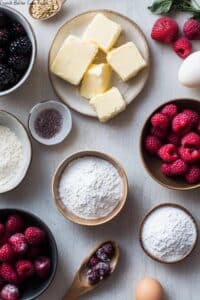
Ingredients You’ll Need
Every ingredient in this French Butter Cake Recipe plays a role in creating that delicate balance of flavor and texture. I always recommend using high-quality butter and room temperature eggs to make sure everything mixes smoothly. Don’t skimp on the vanilla extract either – it adds that warm, comforting depth we all love in baked goods.
- Unsalted Butter: Use real, unsalted butter for the best control over saltiness and rich flavor.
- Granulated Sugar: Divided sugar helps with both sweetness and creating that lovely golden crust on top.
- Eggs: Room temperature eggs blend better and give the cake a light, airy texture.
- Vanilla Extract: Pure vanilla extract adds a natural sweet aroma that brightens the cake.
- Cake Flour: Cake flour is key — it keeps the crumb tender and soft without being dense.
- Baking Powder: Gives just the right lift without overpowering the delicate cake structure.
- Salt: Balances sweetness and enhances overall flavor.
- Sour Cream: Adds moisture and a slight tang, making the cake wonderfully soft inside.
- Whole Milk: Just a bit to loosen the batter for a smooth pour.
- Granulated Sugar (for topping): Sprinkling sugar on top before baking gives a delightfully crisp finish.
- Powdered Sugar (optional): A light dusting after baking adds a classic, elegant touch.
- Fresh Berries: Perfect for serving, they add a fresh burst of color and flavor.
Variations
One of my favorite things about the French Butter Cake Recipe is how easy it is to customize. I love experimenting with different extracts and toppings depending on the season or occasion. You’ll find it’s a wonderfully versatile base that welcomes your personal touch.
- Lemon Zest Variation: Adding fresh lemon zest to the batter gives a bright twist I adore, especially in spring. It pairs beautifully with a blueberry topping.
- Gluten-Free Option: Substitute cake flour with a gluten-free blend—just make sure it’s meant for cakes to keep the texture light. I tried this for a friend’s gluten-free visit, and it was a hit!
- Dairy-Free Version: Replace butter with a dairy-free margarine and use coconut yogurt instead of sour cream. The taste shifts a bit but still moist and delicious.
- Chocolate Drizzle: If you’re feeling indulgent, melt some dark chocolate on top after baking – the mix of buttery cake with rich chocolate is unforgettable.
How to Make French Butter Cake Recipe
Step 1: Cream the Butter and Sugar
Start by softening your butter to room temperature — it should be pliable but not melting. Cream the butter with three-quarters of the granulated sugar until it’s pale and fluffy. This step usually takes about 3 to 5 minutes with an electric mixer on medium speed. I find this is where the cake really starts developing its tender crumb, so don’t rush it.
Step 2: Add Eggs and Vanilla
Next, add eggs one at a time, beating well after each addition so the batter stays smooth and doesn’t curdle. Mix in the vanilla extract with the last egg. Using room temperature eggs here is crucial; cold eggs can cause the batter to seize up, which we want to avoid.
Step 3: Combine Dry Ingredients and Add to Batter
In a separate bowl, whisk together cake flour, baking powder, and salt. Carefully fold the dry ingredients into the wet batter in two parts, alternating with the sour cream and milk. I like using a spatula for folding – it helps keep the batter light and airy. Don’t overmix here; just stir until everything is just combined to avoid a dense cake.
Step 4: Prepare Pan and Bake
Butter your pan generously to prevent sticking — I prefer a round 8-inch cake pan for a classic shape. Pour the batter in evenly, then sprinkle the remaining granulated sugar on top to create that irresistible crispy crust. Bake at 350°F (175°C) for about 40 to 45 minutes, checking doneness with a toothpick inserted in the center. When it comes out clean (or with a few moist crumbs), you’re good to go.
How to Serve French Butter Cake Recipe
Garnishes
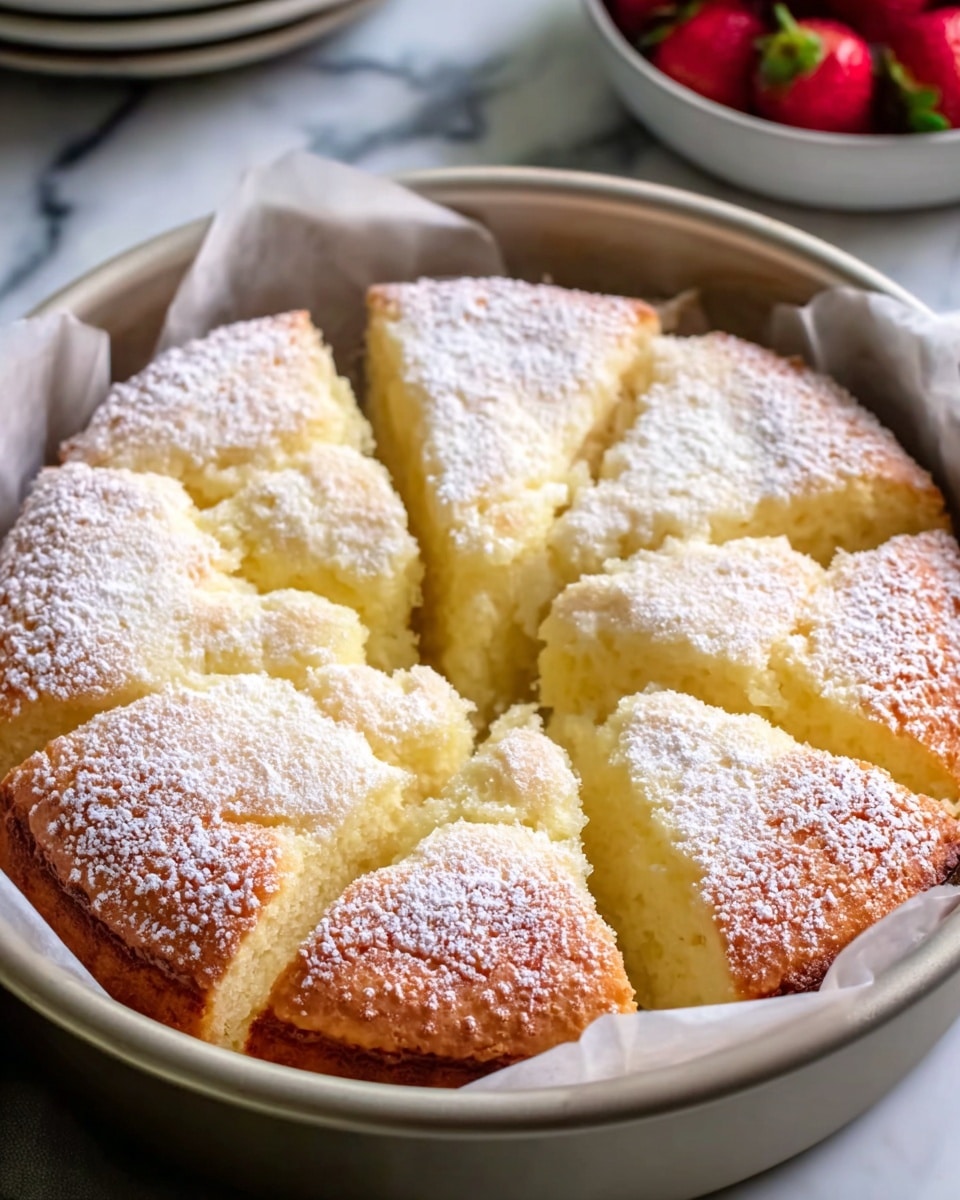
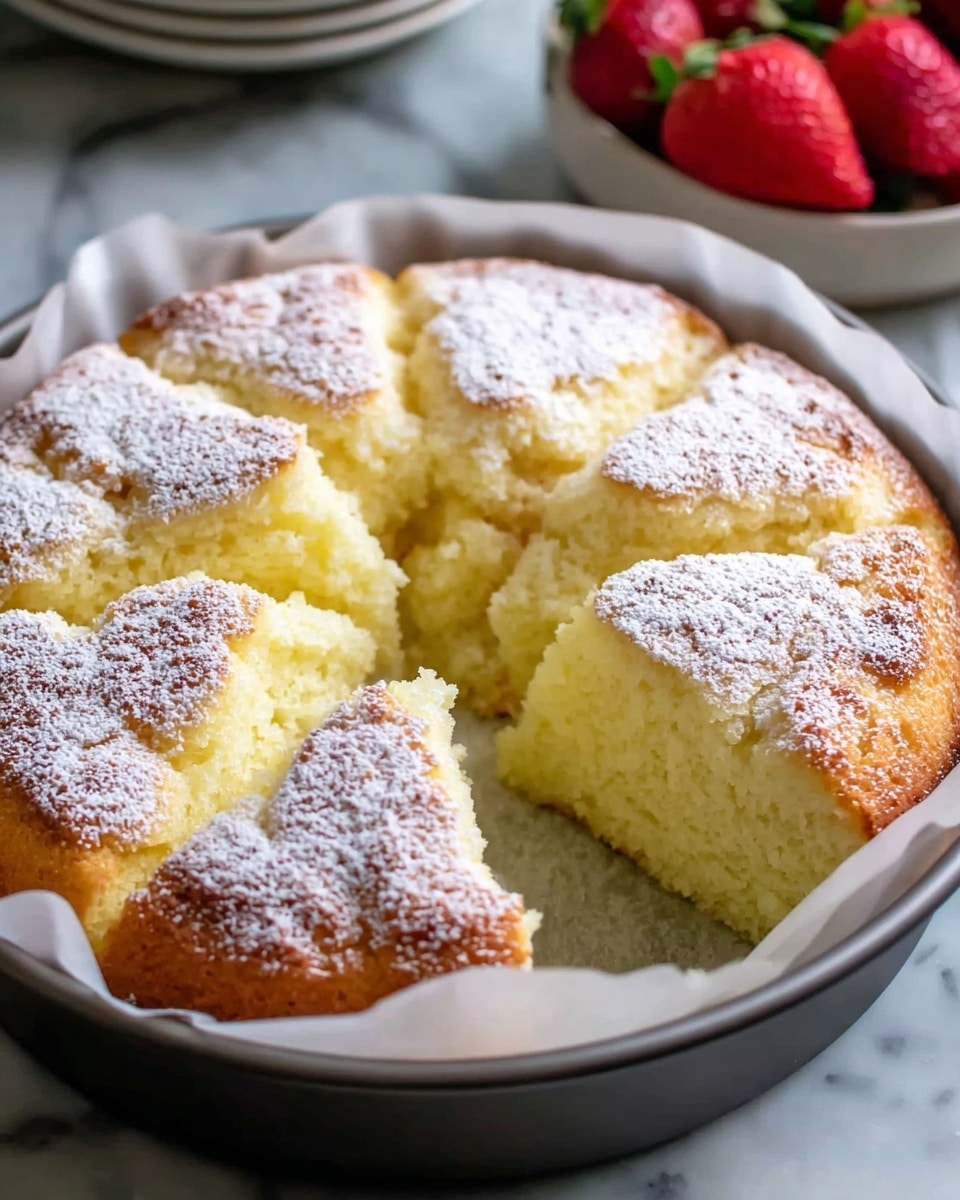
I love dusting the cooled cake lightly with powdered sugar. It adds a delicate touch and makes it look picture-perfect. Fresh berries – especially raspberries or blueberries – are my go-to. They bring a burst of color and a fresh tartness that beautifully contrasts with the buttery sweetness of the cake.
Side Dishes
This cake pairs wonderfully with a cup of strong black coffee or a milky latte – perfect for breakfasts or afternoon tea. If you want to turn it into a more substantial dessert, a dollop of lightly whipped cream or a scoop of vanilla ice cream has always been a crowd-pleaser in my home.
Creative Ways to Present
For birthdays, I sometimes serve this cake with edible flowers on top for a stunning effect that never fails to impress guests. You could also add a drizzle of homemade caramel sauce or a thin layer of fruit preserves between two layers if you decide to double the recipe for a more elaborate celebration cake.
Make Ahead and Storage
Storing Leftovers
Leftover French Butter Cake keeps beautifully at room temperature in an airtight container for up to 3 days. I usually cover mine with a cake dome, which helps maintain moisture without making the crust soggy. If your kitchen is warm, storing it in the fridge is fine, just bring it back to room temperature before serving for the best texture.
Freezing
Freezing slices of this cake works like a charm. I wrap each piece tightly in plastic wrap and then place them in a freezer bag. When I want to enjoy some later, I thaw them overnight in the fridge and then set them out for a bit to soften before serving. It’s a great way to have a sweet treat ready with no fuss.
Reheating
If you want to warm up leftovers, I recommend popping a slice in the microwave for about 15 seconds or in a toaster oven for a couple of minutes. This brings back that fresh-from-the-oven softness and enhances the buttery aroma. Just be careful not to overheat or it can dry out quickly.
FAQs
-
Can I use all-purpose flour instead of cake flour for this French Butter Cake Recipe?
You can substitute all-purpose flour if cake flour isn’t available, but to keep the cake tender, measure carefully and consider removing a tablespoon of flour and replacing it with cornstarch per cup of flour. This helps mimic the lower protein content of cake flour, preventing a tough crumb.
-
Why is sour cream important in this recipe?
Sour cream adds moisture and a slight tang, which balances the richness of the butter and keeps the cake tender. It also contributes to a finer crumb and improves the overall texture, making the cake more moist and flavorful.
-
How do I know when the French Butter Cake is done baking?
The best way is to insert a toothpick or cake tester in the center – when it comes out clean or with just a few moist crumbs clinging to it, the cake is done. Also, the edges will start to pull away slightly from the pan, and the top should be golden with a lightly crisp surface.
-
Can I make this cake in a loaf pan instead of a round pan?
Absolutely! A loaf pan will work fine; just keep in mind the baking time may vary slightly, so check doneness a few minutes earlier to avoid overbaking.
-
Is this French Butter Cake Recipe suitable for beginners?
Yes! Despite sounding fancy, the recipe is straightforward and forgiving. As long as you follow the steps and avoid overmixing, you’ll be rewarded with a bakery-quality cake at home.
Final Thoughts
This French Butter Cake Recipe is one of those joyful baking projects that feels both special and effortless. I think you’ll love how it fills your kitchen with inviting aromas and how versatile it is for any occasion. Baking this cake reminded me that simple ingredients, treated with care, can create something truly magic. So go ahead—try it out, share it with friends, and enjoy every buttery bite as much as I do!
PrintFrench Butter Cake Recipe

This classic French Butter Cake recipe features a rich, tender crumb thanks to a generous amount of butter and sour cream. Lightly sweetened and aromatic with vanilla, this cake is perfect for any occasion, whether enjoyed plain, dusted with powdered sugar, or topped with fresh berries for a delicate, elegant treat.
- Prep Time: 20 minutes
- Cook Time: 40-45 minutes
- Total Time: 60-65 minutes
- Yield: 8 servings 1x
- Category: Dessert
- Method: Baking
- Cuisine: French
Ingredients
For the cake:
- 1 cup (226g) unsalted butter, plus extra for pan
- 1¼ cups (250g) granulated sugar, divided
- 4 large eggs, room temperature
- 2½ teaspoons vanilla extract
- 1¼ cups (156g) cake flour
- 1½ teaspoons baking powder
- ½ teaspoon salt
- ½ cup sour cream, room temperature
- 2 tablespoons whole milk
For finishing:
- 2 tablespoons granulated sugar (for topping)
- Powdered sugar for dusting (optional)
- Fresh berries for serving
Instructions
- Prepare Pan and Preheat Oven: Preheat your oven to 350°F (175°C). Generously butter a 9-inch (23 cm) round cake pan to prevent sticking.
- Cream Butter and Sugar: In a large mixing bowl, beat the unsalted butter and 1 cup (200g) of the granulated sugar together until light, fluffy, and pale in color. This usually takes about 3-5 minutes of beating with an electric mixer on medium speed.
- Add Eggs and Vanilla: Add the eggs one at a time, beating well after each addition to fully incorporate. Then stir in the vanilla extract until combined.
- Sift Dry Ingredients: In a separate bowl, sift together the cake flour, baking powder, and salt to ensure even distribution and a light texture.
- Combine Wet and Dry Ingredients: Gradually add the dry ingredients to the butter mixture in batches, alternating with the sour cream. Begin and end with the dry ingredients. Mix gently after each addition until just combined to avoid overmixing.
- Add Milk: Stir in the whole milk to loosen the batter slightly, making it smooth and pourable.
- Pour and Sprinkle: Pour the batter evenly into the prepared cake pan. Sprinkle the remaining 2 tablespoons of granulated sugar evenly over the top to create a subtle, sweet crust.
- Bake: Bake in the preheated oven for 40-45 minutes or until a toothpick inserted into the center comes out clean and the cake is golden brown on top.
- Cool and Finish: Allow the cake to cool in the pan for 10 minutes before transferring it to a wire rack to cool completely. Optionally, dust the top with powdered sugar and serve with fresh berries for an elegant presentation.
Notes
- Make sure all dairy ingredients are at room temperature to help create a smooth, evenly mixed batter.
- Do not overmix the batter once the flour is added; overmixing can make the cake dense.
- The granulated sugar sprinkled on top creates a delightful crispy crust that contrasts with the soft crumb.
- For best texture, use cake flour instead of all-purpose flour for a lighter, tender crumb.
- This cake keeps well for up to 3 days at room temperature when stored in an airtight container.
- Fresh berries add a lovely natural sweetness and color, but you can also serve with whipped cream or a drizzle of lemon glaze.
Keywords: French butter cake, classic butter cake, sour cream cake, vanilla cake, tender crumb cake, berry topped cake