Easter Cake with Lemon Icing and Sprinkles Recipe
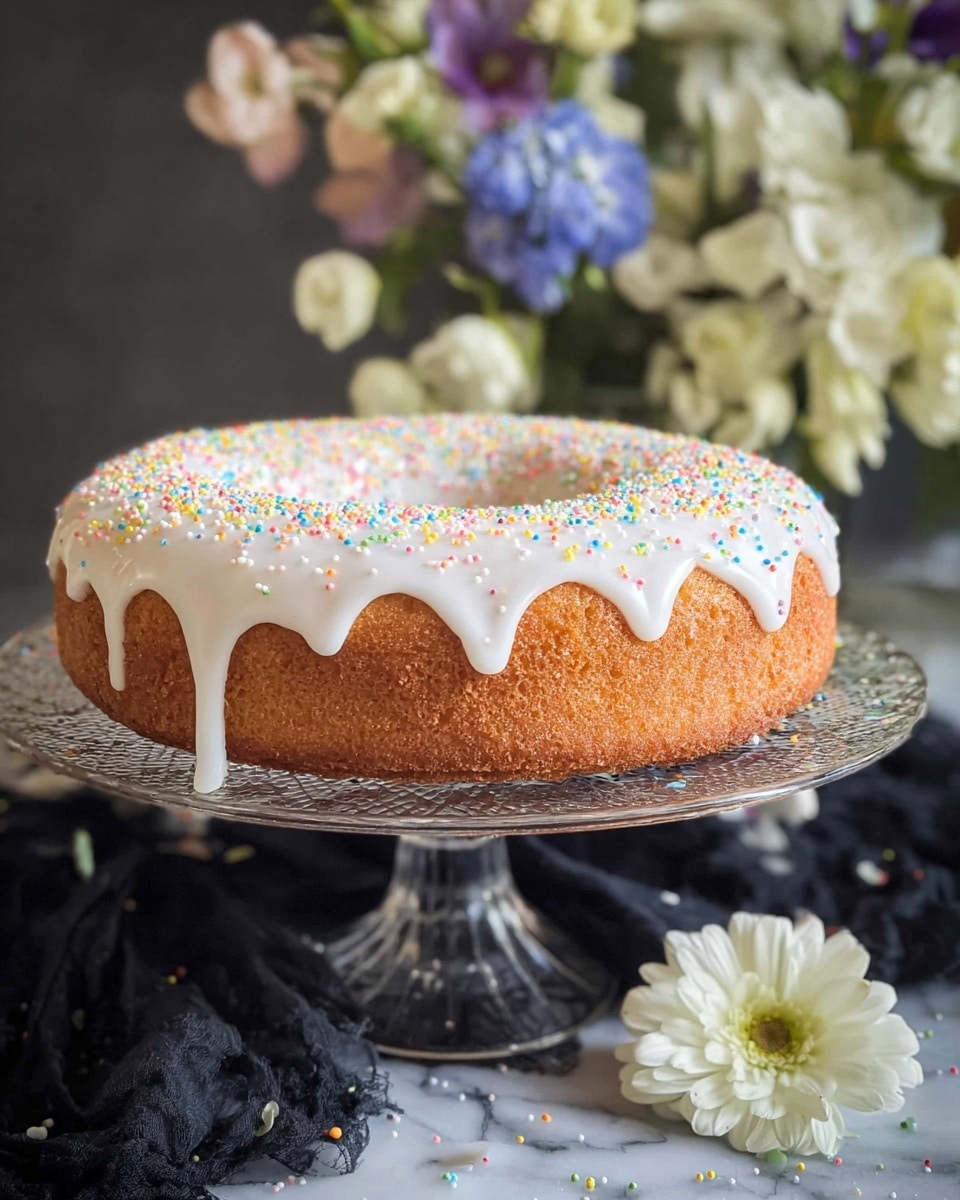
I’m so excited to share this Easter Cake with Lemon Icing and Sprinkles Recipe with you—it’s one of those desserts that feels like a hug from springtime itself. The light, softly sweet cake paired with that zingy lemon icing just brightens up any Easter table. What I love most is how the lemon icing adds a fresh pop that perfectly balances the rich, tender cake beneath.
This cake works beautifully whether you’re hosting a big family brunch or just want a joyful treat to cap off a simple dinner. And trust me, the sprinkles on top aren’t just for show—they bring a playful, festive touch that everyone, young and old, will adore. Whenever I make this for friends, it’s always the star of the dessert spread, so I think you’re going to have fun making (and eating) this one, too!
Ingredients You’ll Need
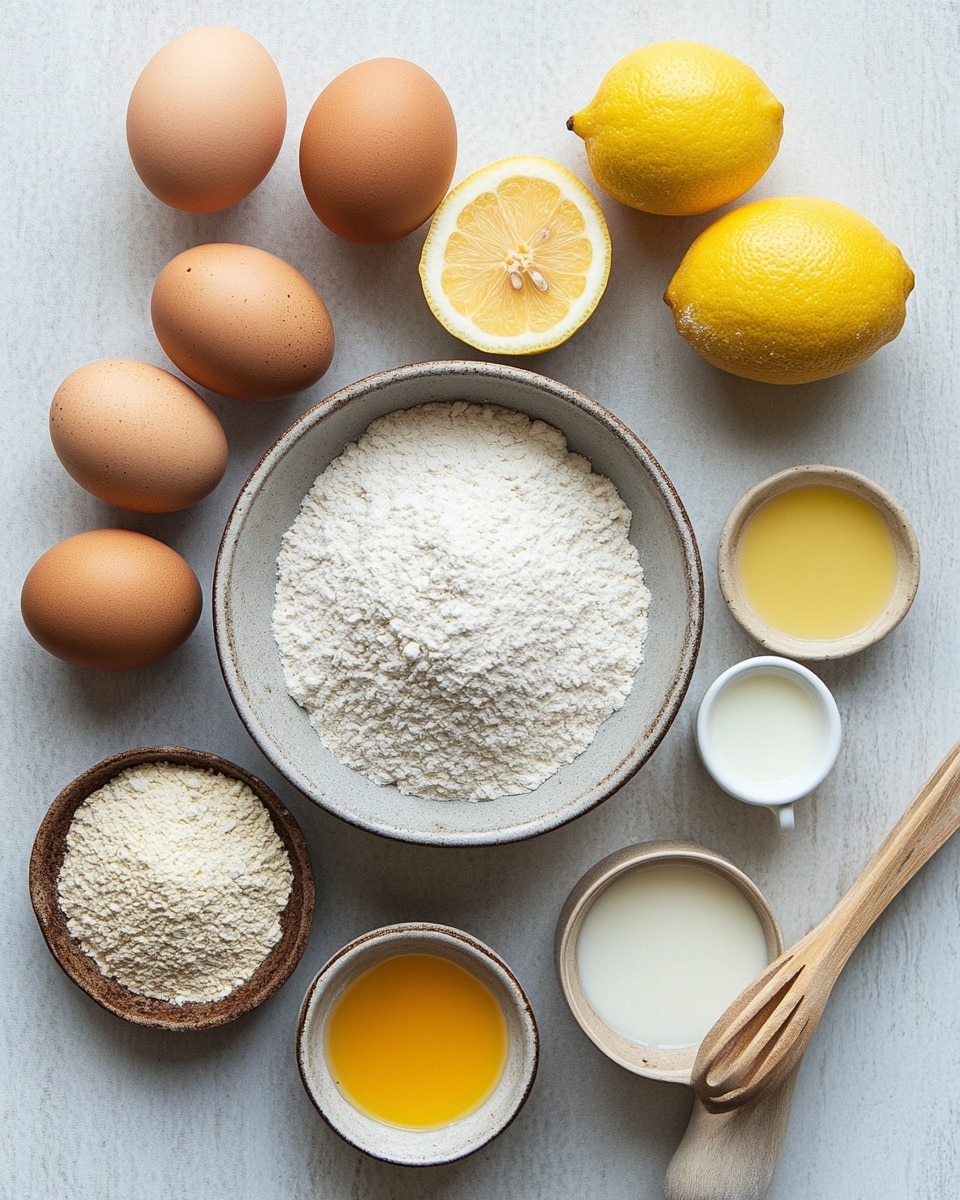
This recipe uses ingredients that come together seamlessly to create a light and fluffy cake with a hint of anise and bright lemon flavor. When shopping, I recommend fresh lemons for zest and juice, and don’t skip the anisette or Sambuca—it really adds a unique aroma that lifts the whole cake.
- Milk: Warm milk activates the yeast—make sure it’s not too hot to keep your dough happy and alive!
- Eggs: Beaten eggs give the cake richness and structure.
- Light olive oil: I love this oil for its subtle fruity notes; it keeps the cake moist without overpowering flavors.
- Anisette (or Sambuca): Adds a gentle licorice-like flavor that’s surprisingly delightful—if you don’t have these, other aromatic liqueurs can work.
- Lemon rind (grated): Fresh zest is a game changer—don’t use dried or bottled lemon flavoring for this cake.
- Sugar: Balances the flavors and helps with browning.
- All-purpose flour: Provides the structure but be mindful not to over-flour—the dough should stay lightly sticky.
- Salt: Just a pinch to bring out sweetness and balance flavors.
- Active dry yeast: Essential for that lovely rise and fluffy texture.
- Confectioner’s sugar (powdered sugar): For the lemon icing—smooth and sweet without granules.
- Lemon juice (and/or water): Brings the citrus zing to the icing, balancing the sweetness nicely.
- Edible sprinkles: The festive finishing touch that makes this cake feel like a celebration!
Variations
I love putting my own twist on this Easter Cake with Lemon Icing and Sprinkles Recipe depending on the occasion. It’s such a flexible base, and tweaking it is a fun way to make it your own.
- Using different liqueurs: Sometimes I swap anisette for orange liqueur or limoncello to bring a different citrus dimension—both give a unique depth and still pair wonderfully with lemon icing.
- Gluten-free option: I’ve experimented with gluten-free flour blends and it works well if you add an extra egg for structure but be prepared for a slightly denser texture.
- Bundt cake shape: Instead of the traditional round cakes, forming it in a bundt pan gives a great decorative look and makes slicing a breeze for sharing.
- Adding poppy seeds: Poppy seeds add a subtle crunch and a bit of extra interest inside the cake—I sprinkle them in when mixing the dough sometimes.
How to Make Easter Cake with Lemon Icing and Sprinkles Recipe
Step 1: Prepare Your Liquid Ingredients First
Start by warming your milk to about body temperature—not hotter, or it could kill your yeast. Then, mix in the eggs, light olive oil, and anisette or Sambuca. Adding the grated lemon rind here brings out that fresh fragrant note early on. Trust me, getting these liquids right sets you up for a delicious cake texture.
Step 2: Mix Dry Ingredients and Activate the Yeast
Next, combine your sugar, flour, and salt. I usually start with the minimum amount of flour and add more only if the dough is too wet. Don’t forget to dissolve your yeast in the warm milk first—watch for it to get a little frothy; that means it’s active and ready to help your cake rise beautifully.
Step 3: Combine Ingredients and Knead Gently
If you’re using a bread machine, just add everything as directed and let it do the work. For stand mixers, start by beating the eggs and sugar until fluffy, then add the liquids and begin incorporating flour gradually. Knead for at least 10 minutes until the dough turns soft, slightly sticky, and elastic. Avoid over-flouring—it’s tempting to add a lot but a sticky dough means a soft crumb later!
Step 4: Shape and Let Your Cakes Rise
Butter and flour your springform pans, and for easier removal, add parchment paper on the bottom. After your dough doubles in size (usually about 3 to 5 hours), gently deflate it and divide it into three parts. Shape each into a smooth ball. If you want the bundt shape, poke a hole in the middle and stretch it gently. Cover and let them rise again until nicely puffed up.
Step 5: Bake Until Golden and Light
Preheat your oven to 350°F (175°C) and bake the cakes for around 25 minutes. You’re looking for a golden-brown color and a cake that’s light when you lift it—similar to the feeling of a soft loaf of bread. Let them cool in the pans for about 45 minutes before carefully removing them so your cakes stay intact and fluffy.
Step 6: Whip Up the Bright Lemon Icing
While the cakes cool, stir lemon juice and water into your powdered sugar until you have a smooth, thick-honey consistency. This is key—too runny and it’ll drip off too fast; too thick and it won’t spread nicely. Keep it covered so it stays fresh and ready.
Step 7: Ice and Decorate Your Easter Cake
Spread the lemon icing generously over the top of each cooled cake, one at a time. You’ll want to sprinkle the edible sprinkles quickly on top before the icing starts to set to capture that fun sprinkle sparkle. Let the icing set completely before slicing. This is when your cake really starts to shine—trust me, it’s magical!
How to Serve Easter Cake with Lemon Icing and Sprinkles Recipe
Garnishes
I usually keep it simple with the sprinkles, but fresh lemon zest and edible flowers on top make the cake pop if you want to get fancy. A few sugared cranberries or pastel-colored mini eggs nestled beside make for a festive Easter vibe too.
Side Dishes
Pairing this cake with light, fresh sides works best—think a bowl of berries, whipped cream, or a simple fruit salad. It balances the sweetness and keeps your table feeling fresh and spring-ready. I find a cup of herbal tea or a mild coffee also complements the citrusy icing beautifully.
Creative Ways to Present
For Easter brunch, I’ve arranged mini versions of this cake on a tiered cake stand surrounded by pastel napkins and fresh flowers—everyone loved the presentation and it feels so festive. You could also personalize it by piping little lemon blossoms or writing names on each slice with extra icing.
Make Ahead and Storage
Storing Leftovers
I store leftover Easter cake in an airtight container at room temperature for up to 2 days. It stays soft and the icing holds up nicely if you don’t put it in the fridge, which can sometimes dry things out.
Freezing
Freezing works great if you want to bake ahead—just freeze the fully cooled cake (un-iced) wrapped tightly in plastic wrap and foil. When you’re ready, thaw completely at room temp before adding the lemon icing and sprinkles for the freshest finish.
Reheating
If you want the cake a little warm, I reheat slices briefly in the microwave (about 10-15 seconds) or for a few minutes at low heat in the oven. Be careful to avoid melting the icing too much—warming just softens the cake and awakens those lovely lemon notes.
FAQs
-
Can I make this Easter cake without a bread machine?
Absolutely! The recipe works wonderfully with a stand mixer or you can even knead by hand if you’re comfortable with that. Just make sure to knead the dough well to activate the gluten for a fluffy texture and to allow enough rising time for a light cake.
-
What if I don’t have anisette or Sambuca?
If you don’t have anisette or Sambuca, no problem—try substituting with another mild liqueur like Grand Marnier or even a small amount of orange or lemon extract. The key is to add a subtle flavor lift without overpowering the lemon icing.
-
How do I know when the cake is fully baked?
The cake should be golden brown and feel light when you lift it. You can also insert a toothpick in the center—if it comes out clean or with just a few crumbs, it’s done. Avoid overbaking to keep it moist and tender.
-
Can I decorate the cake without sprinkles?
Of course! If you want a simpler look, just a smooth layer of lemon icing is lovely on its own. Fresh lemon zest, edible flowers, or a dusting of powdered sugar can add elegance if you prefer less sugar than sprinkles.
-
Is this cake suitable for freezing after icing?
I recommend freezing before icing for the best texture and appearance. The icing can sometimes change texture after freezing and thawing. If you do freeze a fully iced cake, wrap it very well and thaw slowly in the fridge to minimize changes.
Final Thoughts
Making this Easter Cake with Lemon Icing and Sprinkles Recipe has become one of my favorite little traditions. It’s not just a cake—it’s a celebration in every bite, bright and fresh, with that beautiful balance of flavors. I hope you enjoy baking (and nibbling) your way through it just as much as I do. Give it a try next Easter—or really, anytime you want to brighten up your day with something a bit special and truly delicious.
PrintEaster Cake with Lemon Icing and Sprinkles Recipe

This traditional Easter Cake recipe features a soft, slightly sweet yeast dough infused with lemon zest and anisette liqueur, baked into light and fluffy round or bundt cakes. Topped with a tangy lemon glaze and festive sprinkles, these cakes are perfect for celebrating the holiday with a delightful homemade touch.
- Prep Time: 10 minutes
- Cook Time: 25 minutes
- Total Time: 4 hours 35 minutes
- Yield: 3 Easter cakes 1x
- Category: Dessert
- Method: Baking
- Cuisine: Italian
Ingredients
Dough Ingredients
- 1 cup warm milk
- 6 eggs, beaten
- 6 oz light olive oil
- 3 Tbsp anisette (or Sambuca, or other liqueur)
- 1 large lemon rind, grated
- 1 ¼ cups sugar
- 6 cups all-purpose flour (up to 7 cups or 840 g if using metric)
- ⅛ tsp salt
- 2 ¼ tsp active dry yeast
Icing & Decoration
- 4 cups confectioner’s sugar (powdered sugar)
- 4 ½ Tbsp lemon juice (and/or water)
- 1 Tbsp edible sprinkles (as needed for decorating)
Instructions
- Combine Liquids in Bread Machine: Place warm milk, beaten eggs, light olive oil, and anisette liqueur into the bread machine container.
- Add Lemon Rind: Add the grated lemon rind to the liquid ingredients in the bread machine.
- Add Dry Ingredients Except Yeast: Add sugar, flour (starting with minimum amount), and salt to the bread machine container, keeping the flour on top.
- Add Yeast and Start Dough Cycle: Make a well in the flour and add the active dry yeast. Set the bread machine to the dough cycle. Once the dough begins to come together, add more flour as needed to achieve a slightly sticky dough consistency.
- Prepare Pans for Baking: Butter and flour three 9″ springform pans and optionally place parchment paper on the bottom for easier cake removal.
- First Rise: Allow the dough to double in size inside the bread machine or bowl.
- Shape the Dough: Turn the risen dough onto a floured surface. Knead gently and divide evenly into three parts for the pans.
- Form Cakes: For regular round cakes, shape each dough part into a ball and place it in the prepared pans. For bundt cakes, shape into balls, then create a hole in the center by stretching the dough and place in the bundt pan or substitute mold.
- Second Rise: Cover the shaped dough and let it rise for 3 to 5 hours until well-risen and puffy.
- Preheat Oven: Preheat the oven to 350°F (175°C).
- Bake: Bake the risen cakes for about 25 minutes until golden brown and light in weight.
- Cool: Let the cakes cool in their pans for 45 minutes before carefully removing the sides, bottom, parchment, or mold.
- Make Icing: Stir lemon juice and water into powdered sugar until the mixture reaches a smooth, thick honey-like consistency. Keep covered until ready to use.
- Ice the Cakes: Generously spread the lemon icing over the tops of the cooled cakes, one cake at a time to work quickly.
- Decorate: Immediately add edible sprinkles onto the icing before it sets.
- Set and Serve: Allow the icing to harden before serving or storing the cakes in an airtight container.
Notes
- For smaller quantities, use ⅓ cup warm milk, 2 beaten eggs, 2 oz light olive oil, 1 Tbsp anisette or Sambuca, 6 ½ Tbsp sugar, 2 to 2 ⅓ cups all-purpose flour, pinch of salt, and ¾ tsp active dry yeast.
- When using bundt tins, if unavailable, a buttered jar filled with rice can substitute as a mold.
- The dough should be slightly sticky but manageable; adjust flour quantities accordingly.
- Ensure the first and second rises are done in a warm draft-free environment for best results.
- The icing is best spread right before adding sprinkles to keep the decorating vibrant and fresh.
Keywords: Easter cake, yeast cake, Italian Easter dessert, lemon cake, bundt cake, festive cake, holiday baking