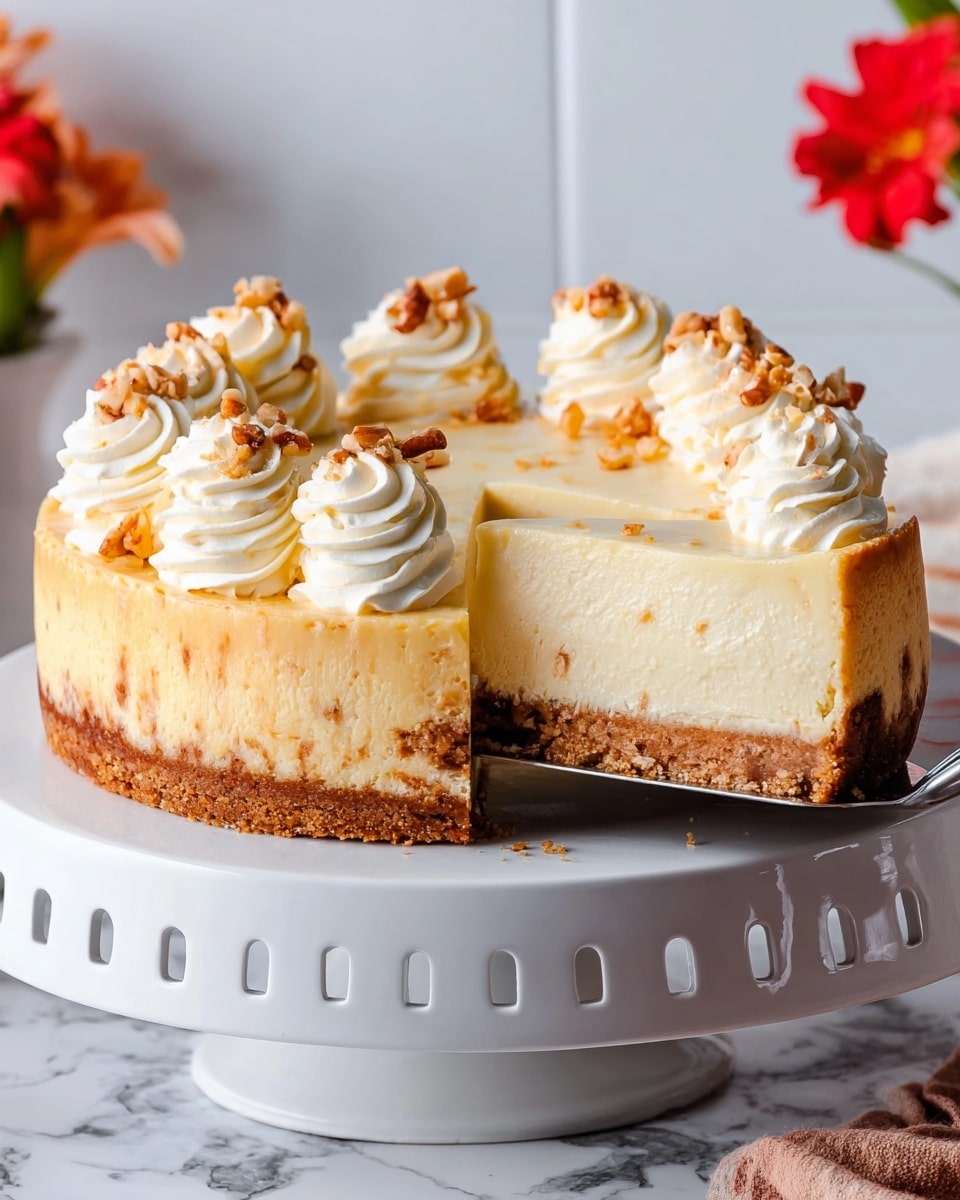
Cottage Cheese Cheesecake Recipe
If you’re looking for a cheesecake that’s delightfully creamy but with a lighter touch, this Cottage Cheese Cheesecake Recipe is a fantastic choice. I first stumbled upon this recipe when I wanted something less dense than the classic cream cheese version, and honestly, it quickly became one of my favorites for family gatherings and casual weekend treats. The cottage cheese gives it a lovely texture that’s smooth but with a little tang, making each bite a refreshing experience.
What makes this Cottage Cheese Cheesecake Recipe really shine is its versatility and the ease with which it comes together. Whether you’re whipping it up for breakfast or a dessert that won’t overpower the palate, it always impresses. Plus, it’s a great way to sneak some protein into your sweet cravings — something I appreciate more than I expected!
Ingredients You’ll Need
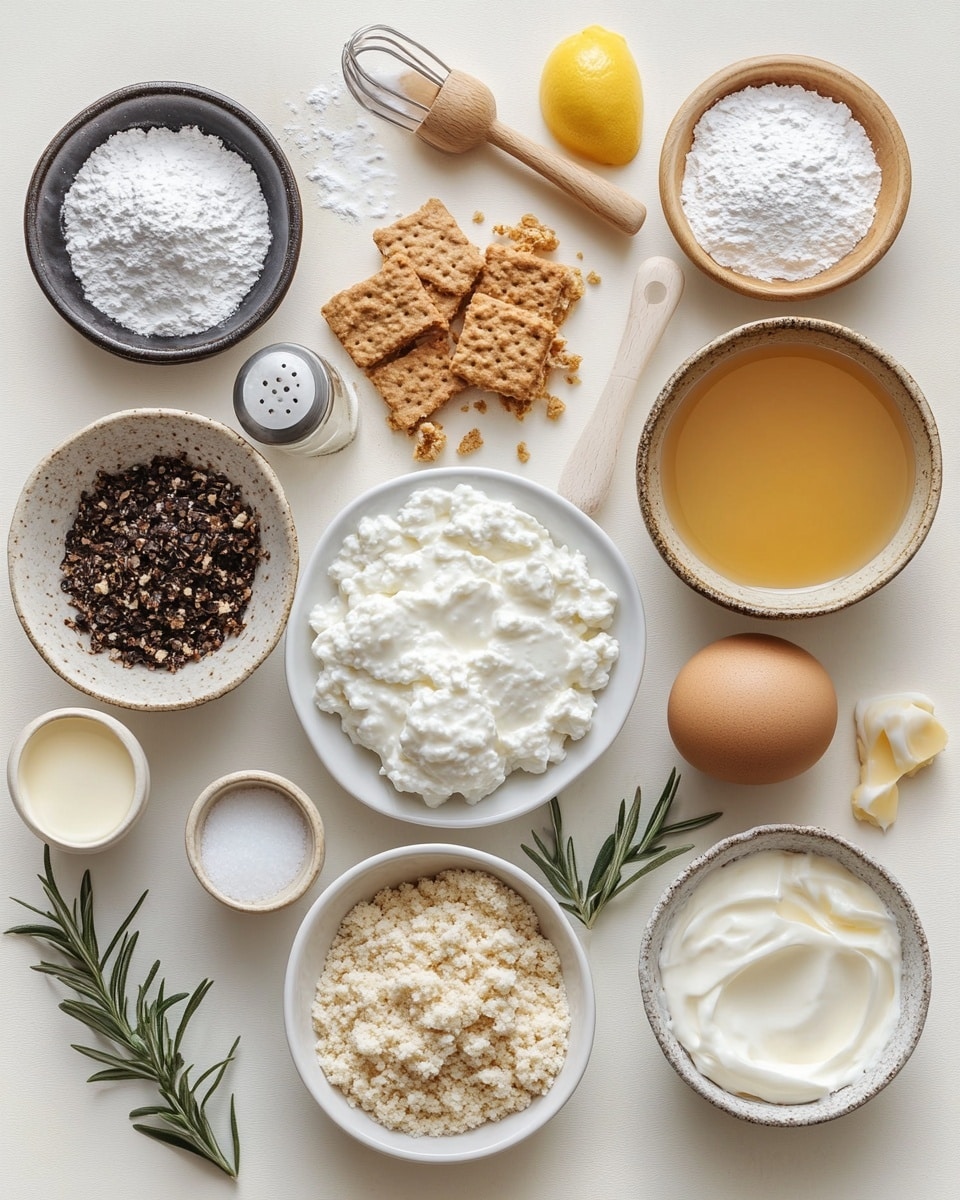
These ingredients come together beautifully to create a balanced, flavorful cheesecake that isn’t too sweet and has just the right amount of tang and creaminess. A quick tip: make sure to bring some of your dairy ingredients to room temperature to help achieve that smooth filling without lumps.
- Graham cracker crumbs or cookie crumbs: Use plain crumbs for a neutral base that lets the filling stand out. I sometimes swap in ginger snaps for a spiced twist.
- Sugar: Divided between crust and filling, it adds just enough sweetness. Feel free to adjust according to your taste — I usually keep it moderate.
- Unsalted butter: Melted to bind the crust crumbs together perfectly; unsalted lets you control the salt balance better.
- Cottage cheese: The star of the show! Make sure it’s at room temperature and well-drained if it seems watery, so the cheesecake isn’t too loose.
- Lemon zest: Adds a bright, fresh note; don’t skip this, it really makes the flavors pop.
- Greek yogurt: This adds creamy tang and richness while keeping it lighter than sour cream alternatives.
- Vanilla extract: For that warm, comforting aroma I always look forward to in cheesecakes.
- Salt: Just a pinch to balance sweetness and intensify the other flavors.
- Large eggs: Room temperature eggs bind everything with structure while keeping the filling silky smooth.
Variations
I love how flexible this Cottage Cheese Cheesecake Recipe is, so I often play around with it depending on what I’m in the mood for. It’s great for personalizing and making it your own!
- Fruit topping variation: One of my favorite tweaks is layering fresh berries or a homemade compote on top for a pop of color and natural sweetness.
- Low-sugar version: If you prefer less sugar, I’ve successfully swapped in natural sweeteners like maple syrup or honey in the filling — just adjust the amounts slowly to taste.
- Nutty crust: Try adding finely chopped almonds or pecans to the crust mixture to add a lovely crunch and depth of flavor.
- Dietary adjustments: You can use lactose-free yogurt or cottage cheese if you have sensitivities, and it still turns out just as tasty.
How to Make Cottage Cheese Cheesecake Recipe
Step 1: Prepare the crust
Start by preheating your oven to 350°F (175°C). Mix your graham cracker crumbs, sugar, and melted butter together in a bowl until the crumbs are evenly coated and hold together when pressed. Press this mixture firmly into the bottom of your springform pan — I find pressing with the back of a teaspoon works well to get an even, compact base. Bake the crust for 8-10 minutes until it’s set and just starting to brown, then let it cool while you make the filling. This step helps keep the crust crisp instead of soggy under the cheesecake.
Step 2: Blend the filling
In a food processor or blender, combine room temperature cottage cheese, Greek yogurt, sugar, lemon zest, vanilla extract, and salt. Blend until the mixture is silky smooth — this is key for that creamy cheesecake texture. It might take a minute or two, and scraping down the sides halfway helps. Once smooth, add the eggs one at a time, blending briefly after each addition just until incorporated. Over-blending at this stage can introduce too much air and cause cracks, so take it slow.
Step 3: Bake carefully
Pour the filling over the cooled crust, smoothing the top gently with a spatula. Bake at 325°F (160°C) for about 50-60 minutes, or until the edges are set but the center still jiggles slightly when you gently shake the pan — this ensures it’s creamy, not dry. I usually place a baking sheet on the rack below to catch any drips, just in case. Once baked, turn off the oven, crack the door, and let the cheesecake cool inside for an hour to lessen chance of cracks from rapid cooling.
Step 4: Chill and set
After it’s at room temperature, pop the cheesecake in the fridge for at least 4 hours or overnight. This resting time helps it firm up beautifully and makes slicing much easier. I find that overnight chilling also deepens the flavors, making it even better the next day.
How to Serve Cottage Cheese Cheesecake Recipe
Garnishes
I usually keep it simple with a dusting of powdered sugar and a handful of fresh berries on top — strawberries, blueberries, or raspberries work wonderfully. Sometimes, I add a drizzle of honey or a spoonful of fruit preserves on each slice when serving to add a touch of extra sweetness and color. These little touches always elevate the presentation and flavor.
Side Dishes
This cheesecake pairs surprisingly well with a cup of strong coffee or a light herbal tea for a relaxed afternoon treat. For a brunch spread, I like serving it alongside fresh fruit salad and some honey-glazed nuts for texture contrast and balance.
Creative Ways to Present
For special occasions, I’ve layered slices with thinly sliced fruits like kiwi or peach on top, creating a colorful and elegant look. Another fun idea is serving individual mini cheesecakes in jars topped with granola and berry compote — it’s a showstopper that’s also super easy. Presentation can really make your Cottage Cheese Cheesecake Recipe the star of the dessert table.
Make Ahead and Storage
Storing Leftovers
I store any leftovers in an airtight container in the fridge — usually, it keeps beautifully for 3-4 days. I recommend slicing just what you need because the whole cheesecake keeps its freshness longer than pre-sliced portions. I’ve noticed the texture doesn’t suffer much at all, which is always a win.
Freezing
If you want to freeze your Cottage Cheese Cheesecake Recipe, slice it first and wrap each piece tightly in plastic wrap, then foil to prevent freezer burn. In my experience, freezing works well for up to 2 months. When thawing, leave slices in the fridge overnight for the best texture and flavor retention.
Reheating
I generally prefer eating this cheesecake chilled, but if you want it slightly warmed, just pop a slice in the microwave for about 15-20 seconds. Be cautious not to overheat, or it might break down the creamy texture. Warming it slightly can bring out the lemon zest and vanilla aromas beautifully.
FAQs
-
Can I use regular cream cheese instead of cottage cheese?
While you can substitute cream cheese, the texture and flavor will differ significantly. The Cottage Cheese Cheesecake Recipe relies on cottage cheese for a lighter, slightly tangy filling that cream cheese won’t replicate. If you do use cream cheese, expect a denser, richer cheesecake more typical of traditional recipes.
-
How do I prevent cracks in my cheesecake?
To avoid cracks, bake the cheesecake gently at a low temperature and avoid overmixing the filling which introduces too much air. Cooling the cheesecake gradually by leaving it in the oven with the door slightly open for a bit helps prevent sudden temperature changes that cause cracks. Also, chilling it overnight sets it properly and minimizes surface cracks.
-
Is it important to use room temperature ingredients?
Yes! Room temperature cottage cheese, eggs, and yogurt blend better, resulting in a smoother filling without lumps. Cold ingredients can cause the mixture to curdle or remain grainy, which impacts that signature creamy texture you want from the Cottage Cheese Cheesecake Recipe.
-
Can I make this cheesecake gluten-free?
Absolutely! Swap the graham cracker crumbs for gluten-free cookie crumbs or crushed nuts. The filling remains the same, so your Cottage Cheese Cheesecake Recipe stays just as delicious without the gluten.
-
How long does this cheesecake need to chill before serving?
For best results, chill the cheesecake for at least 4 hours, but preferably overnight. This resting time allows the flavors to meld and the texture to firm up, making slicing cleaner and the cheesecake more enjoyable.
Final Thoughts
This Cottage Cheese Cheesecake Recipe has become a quiet favorite in my recipe box because it balances flavor, texture, and ease so well. I love recommending it to friends who want a cheesecake that’s a little different — a lighter, less rich option without sacrificing that creamy, comforting feel. Give it a try next time you’re craving something sweet but want to keep things on the fresher side; I promise you’ll be pleasantly surprised and maybe even hooked!
PrintCottage Cheese Cheesecake Recipe
This Cottage Cheese Cheesecake is a lighter twist on the classic dessert, using creamy cottage cheese for a smooth texture and tangy flavor. The graham cracker crumb crust pairs perfectly with the rich, lemon-zested filling, offering a delightful balance of sweetness and freshness. Ideal for those seeking a protein-packed, lower-fat cheesecake alternative that doesn’t compromise on taste.
- Prep Time: 20 mins
- Cook Time: 55 mins
- Total Time: 5 hrs 15 mins
- Yield: 8 servings 1x
- Category: Dessert
- Method: Baking
- Cuisine: American
- Diet: Low Fat
Ingredients
Crust
- 1 1/2 cups graham cracker crumbs or any plain cookie crumbs of choice
- 1/4 cup sugar
- 5 tablespoons unsalted butter, melted
Filling
- 3 cups cottage cheese, room temperature
- 1 cup sugar
- 1 tablespoon lemon zest
- 1/2 cup Greek yogurt
- 2 teaspoons vanilla extract
- 1/4 teaspoon salt
- 4 large eggs, room temperature
Instructions
- Prepare the crust: In a mixing bowl, combine the graham cracker crumbs and 1/4 cup sugar. Pour in the melted unsalted butter and stir until the mixture is evenly moistened and resembles wet sand. Press this mixture firmly into the bottom of a greased or parchment-lined 9-inch springform pan to form an even crust layer. Place the crust in the refrigerator to set while preparing the filling.
- Make the filling: In a food processor or blender, combine the cottage cheese, 1 cup sugar, lemon zest, Greek yogurt, vanilla extract, and salt. Blend until the mixture is completely smooth and creamy, ensuring no lumps remain. This step is crucial for achieving a silky cheesecake texture.
- Add eggs and mix: With the processor running, add the eggs one at a time, allowing each to fully incorporate before adding the next. This ensures even mixing and prevents overworking the batter, which can cause cracks during baking.
- Assemble and bake: Pour the smooth cheesecake filling over the chilled crust in the springform pan. Smooth the top with a spatula. Bake in a preheated oven at 325°F (163°C) for approximately 50-60 minutes or until the edges are set and the center slightly jiggles when gently shaken. Avoid overbaking to keep the cheesecake creamy.
- Cool and chill: Remove the cheesecake from the oven and run a knife around the edge to loosen it from the pan. Allow it to cool to room temperature. Then refrigerate for at least 4 hours or preferably overnight to fully set and develop flavors before serving.
Notes
- Using room temperature ingredients, particularly the eggs and cottage cheese, helps to create a smooth filling without lumps.
- You can substitute Greek yogurt with sour cream for a slightly different tangy note.
- To make the crust gluten-free, use gluten-free cookie crumbs.
- For added flavor, consider topping the cheesecake with fresh berries or a fruit compote.
- Ensure not to overbake to avoid cracks; the cheesecake should have a slight wobble in the center when done.
Keywords: cottage cheese cheesecake, light cheesecake, easy cheesecake recipe, creamy cheesecake, lemon zest cheesecake, healthy cheesecake