Coconut Curry Shrimp with Peas Recipe
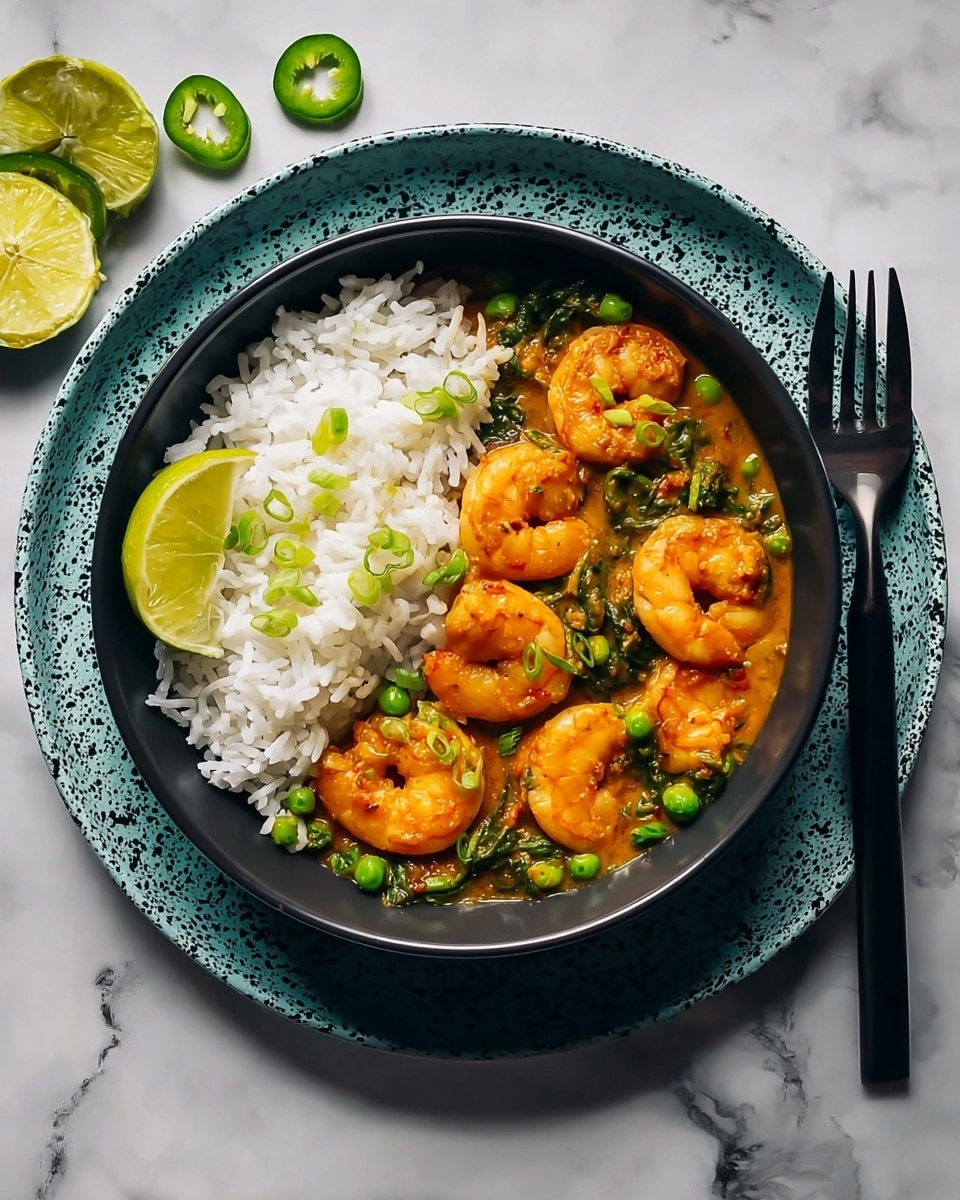
If you’re looking for a vibrant, cozy meal that’s bursting with flavors, this Coconut Curry Shrimp with Peas Recipe is one you absolutely have to try. I stumbled upon this combo when I longed for something comforting yet light, and it instantly became a go-to in my kitchen. The creamy coconut curry paired with juicy shrimp and sweet peas is just heavenly and perfect for weeknight dinners or when you want to impress friends without fuss.
What makes this Coconut Curry Shrimp with Peas Recipe so special is how the spices and coconut milk come together, giving the dish this luscious, rich sauce that hugs every bite of shrimp and veggie. Plus, it only takes about 30 minutes, so you get restaurant-quality vibes without the wait or stress. I promise, once you try this, it’ll be a favorite in your rotation too!
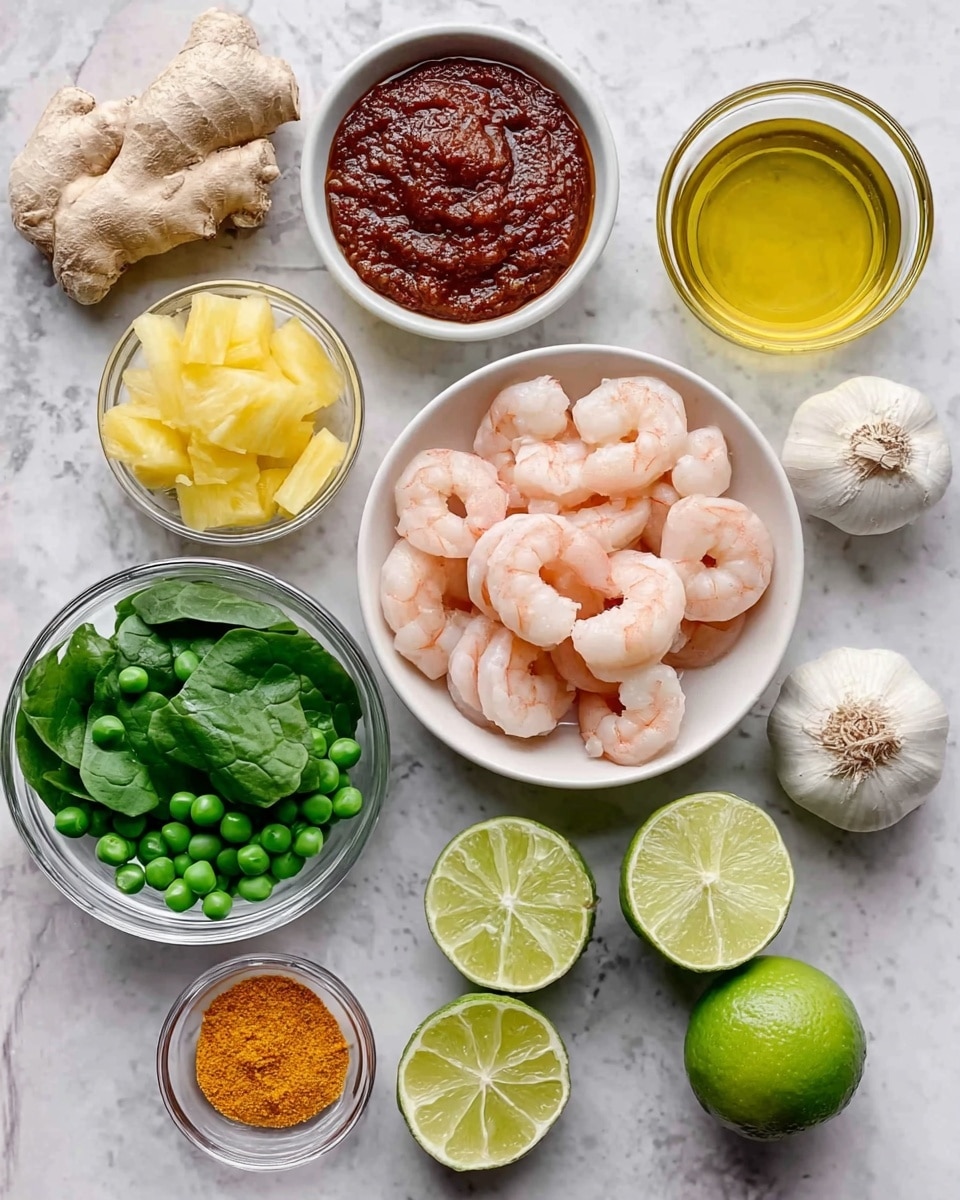
Ingredients You’ll Need
You’ll find that the ingredients in this Coconut Curry Shrimp with Peas Recipe play off each other perfectly, creating a well-balanced dish that’s flavorful without being overwhelming. Let me walk you through the essentials and share a few tips to get the best out of your shopping trip.
- Virgin coconut or vegetable oil: Virgin coconut oil adds subtle coconut notes, but vegetable oil works great if you prefer a neutral base.
- Yellow onion: Finely chopping really helps the onion blend smoothly into the curry sauce.
- Ginger: Fresh peeled ginger brings brightness and a spicy warmth that’s essential here.
- Serrano chile: Thin slicing lets you control the heat. Removing seeds can tame the spice.
- Garlic: Fresh garlic finely chopped blends beautifully with the other aromatics.
- Tomato paste: This deepens the flavor and adds a bit of natural sweetness to the curry base.
- Garam masala: This warm spice blend is the star, giving the curry its inviting aroma.
- Sweet paprika: Adds color and a mild smoky-sweet touch without overpowering.
- Ground turmeric: For that golden hue and gentle earthiness.
- Full-fat coconut milk: Use full-fat for the creamiest, richest curry sauce.
- Brown sugar: Just a touch to balance acidity and spice.
- Jumbo shrimp (peeled and deveined): I love jumbo shrimp because their size holds up well in the curry and makes each bite satisfying.
- Frozen petite peas: These add lovely pops of sweetness and fresh green color.
- Baby spinach: A handful at the end brightens the dish and adds a gentle freshness.
- Fresh lime juice: The zingy finish that lifts all the flavors and keeps it vibrant.
- Cooked white or brown rice: The perfect base to soak up all that savory coconut curry sauce.
- Lime wedges: For squeezing on top — trust me, it’s a game changer!
Variations
I love playing around with this Coconut Curry Shrimp with Peas Recipe depending on what I have on hand or my mood. Don’t be afraid to make it your own — that’s half the fun of cooking!
- Protein Swap: If you’re not a seafood fan, chicken breast or tofu cubes work wonderfully. I’ve made it with tofu for a vegetarian twist and it soaked up that curry so well.
- Veggie Boost: Try adding bell peppers or zucchini for extra color and crunch. Once, I tossed in some shredded carrots and my family loved the added sweetness.
- Heat Level: Adjust the serrano chile or try jalapeño for milder heat—or add a pinch of cayenne for extra kick.
- Greens Mix: Switch out baby spinach for kale or Swiss chard if you want a heartier green.
How to Make Coconut Curry Shrimp with Peas Recipe
Step 1: Sauté the Base Aromatics
Start by warming your virgin coconut oil in a large skillet over medium heat. Toss in the finely chopped onion with a pinch of kosher salt and cook until it’s soft and translucent—think around 5 minutes. Next, add your chopped ginger, serrano chile, and garlic. The smell at this stage is incredible, and it’s vital to let these ingredients soften and bloom for about 2 minutes without browning, so the flavors stay fresh and vibrant.
Step 2: Build the Curry Flavor
Stir in the tomato paste and cook for another minute—this deepens the flavor and caramelizes the paste slightly. Then sprinkle in the garam masala, sweet paprika, and ground turmeric. Toast these spices gently for about 30 seconds to wake up their aromas, which really makes the curry shine.
Step 3: Simmer the Coconut Milk
Pour in the full-fat coconut milk and stir to combine. Add the brown sugar now. Bring the mixture to a gentle simmer and let it cook for 5 minutes to thicken slightly. This slow simmer lets all those spices really infuse the creamy coconut base, which is key to a spectacular curry.
Step 4: Add Shrimp, Peas, and Spinach
Next, add your peeled, deveined shrimp to the simmering curry sauce. Cook for about 3 to 4 minutes until shrimp turn pink and curl up—don’t overcook, or they get tough. Add the frozen petite peas and baby spinach during the last minute of cooking to warm through and wilt the greens without losing their bright colors and snap.
Step 5: Finish with Fresh Lime Juice
Off the heat, stir in fresh lime juice. This adds a balancing brightness that lifts the hearty coconut curry and makes every bite sing. Taste and adjust salt if needed—sometimes a little extra squeeze of lime is perfect here.
How to Serve Coconut Curry Shrimp with Peas Recipe
Garnishes
I always top this shrimp curry with fresh cilantro leaves when I have them on hand—it adds a herbal freshness that’s just wonderful. A few extra lime wedges on the side are a must, so everyone can add a spritz of zing. If you’re feeling fancy, toasted coconut flakes sprinkle on beautifully for extra texture and flavor.
Side Dishes
This Coconut Curry Shrimp with Peas Recipe pairs perfectly with steamed white jasmine rice or nutty brown basmati to soak up all that luscious sauce. For a lighter option, cauliflower rice works beautifully too. I like to add a side of naan bread if I’m having friends over to sop up every last drop.
Creative Ways to Present
Hosting a dinner? Serve this curry in rustic bowls garnished with a lime wedge and cilantro sprigs for an inviting look. For a festive touch, place the curry in a hollowed-out pineapple shell— I tried this once for a summer gathering, and everyone loved the tropical vibe it gave!
Make Ahead and Storage
Storing Leftovers
I like to store any leftovers of this Coconut Curry Shrimp with Peas Recipe in an airtight container in the fridge. It keeps well for about 2 days—just make sure to cool it quickly before refrigerating. The shrimp stay tender, and the peas don’t get mushy if you reheat carefully.
Freezing
Freezing works okay if you need to, though I recommend freezing the curry sauce and shrimp separately if possible. Shrimp can get a little rubbery after freezing. When I freeze the curry sauce alone, it thaws beautifully and keeps the flavors intact for up to 2 months.
Reheating
The best way I’ve found to reheat this dish is gently on the stovetop over low heat to avoid overcooking the shrimp. Adding a splash of water or coconut milk helps to loosen the sauce if it’s thickened too much in the fridge. Avoid the microwave for reheating shrimp curry unless you’re in a hurry, since it can toughen the shrimp.
FAQs
-
Can I use frozen shrimp for this recipe?
Absolutely! Just make sure to thaw the shrimp completely and pat them dry before cooking to avoid excess water in the curry. Frozen shrimp are a convenient option and work well here.
-
What can I substitute for garam masala?
If you don’t have garam masala, you can use a mix of ground cumin, coriander, cinnamon, and cardamom to mimic its warm spice profile. Just start with a teaspoon total and adjust to taste.
-
Is this recipe spicy?
The shrimp curry has a mild-to-moderate heat level mainly from the serrano chile. You can easily reduce or increase the spice by removing seeds or adding more chiles depending on your taste.
-
Can I make this dairy-free and gluten-free?
Yes! This recipe is naturally dairy-free thanks to coconut milk, and it’s gluten-free as long as your tomato paste and spices don’t contain any additives.
-
What’s the best rice to serve with Coconut Curry Shrimp with Peas Recipe?
I recommend jasmine or basmati rice because their fragrant aromas complement the curry sauce beautifully. Brown rice works too if you want a nuttier flavor and more fiber.
Final Thoughts
Honestly, this Coconut Curry Shrimp with Peas Recipe has become one of my favorite quick dinners because it’s both comforting and a little exotic without complicated steps. I love sharing it with friends who are new to curries because it’s approachable but packed with flavor that keeps everyone asking for seconds. Give it a try—you’ll find it’s a great dish to add warmth and a bit of adventure to your weeknight meals!
PrintCoconut Curry Shrimp with Peas Recipe
This Coconut Curry Shrimp with Peas is a vibrant and comforting dish featuring succulent jumbo shrimp simmered in a rich, fragrant coconut milk curry with aromatic spices, tender peas, and fresh spinach. Perfect for a quick and flavorful dinner served over steamed rice and garnished with fresh lime wedges.
- Prep Time: 15 minutes
- Cook Time: 15 minutes
- Total Time: 30 minutes
- Yield: 4 servings 1x
- Category: Main Dish
- Method: Stovetop
- Cuisine: Indian-inspired
Ingredients
For the Curry
- 1 Tbsp. virgin coconut or vegetable oil
- 1 small yellow onion, finely chopped
- Kosher salt, to taste
- 1 (2″) piece ginger, peeled, finely chopped (about 1 tbsp.)
- 1/2 serrano chile, very thinly sliced, seeds removed if desired for less heat
- 4 cloves garlic, finely chopped
- 2 Tbsp. tomato paste
- 2 tsp. garam masala
- 2 tsp. sweet paprika
- 1 tsp. ground turmeric
- 1 (14-oz.) can full-fat coconut milk
- 1 tsp. brown sugar
- 1 1/2 lb. jumbo (16/20) shrimp, peeled and deveined
- 1 (10-oz.) bag frozen petite peas (about 2 cups)
- 5 oz. baby spinach
- 2 Tbsp. fresh lime juice
For Serving
- Cooked white or brown rice
- Lime wedges
Instructions
- Heat the oil and sauté aromatics: In a large skillet or pan, warm 1 tablespoon of virgin coconut or vegetable oil over medium heat. Add the finely chopped onion and a pinch of kosher salt and cook until the onion is soft and translucent, about 4-5 minutes. Stir occasionally to prevent burning.
- Add ginger, chile, and garlic: Stir in the finely chopped ginger, thinly sliced serrano chile, and chopped garlic. Cook for another 1-2 minutes until fragrant, stirring frequently to blend the flavors well without browning the garlic.
- Add spices and tomato paste: Mix in the tomato paste, garam masala, sweet paprika, and ground turmeric. Cook this spice mixture for 1-2 minutes, allowing the tomato paste to deepen in flavor and the spices to toast slightly for a richer curry base.
- Pour in coconut milk and season: Stir in the full-fat coconut milk and 1 teaspoon brown sugar. Bring the curry to a gentle simmer and season with kosher salt to taste. Let it cook uncovered for 5 minutes to blend the flavors and slightly thicken the sauce.
- Add shrimp and cook: Add the peeled and deveined jumbo shrimp to the simmering curry. Cook for 3-5 minutes until the shrimp turn pink and opaque, stirring occasionally to ensure even cooking and that they are coated with the sauce.
- Stir in peas and spinach: Add the frozen petite peas directly to the curry along with the baby spinach. Cook for an additional 2-3 minutes until the peas are heated through and the spinach is wilted, stirring occasionally.
- Finish with lime juice: Remove the pan from heat and stir in 2 tablespoons of fresh lime juice to brighten and balance the flavors of the curry just before serving.
- Serve: Spoon the coconut curry shrimp over cooked white or brown rice. Garnish with lime wedges on the side for extra zest. Serve immediately while warm.
Notes
- You can adjust the heat by removing the seeds from the serrano chile or omitting it for a milder curry.
- For a thicker curry sauce, allow the coconut milk to simmer longer before adding the shrimp.
- This dish pairs well with basmati rice or naan bread for soaking up the delicious sauce.
- Leftovers can be stored in an airtight container in the refrigerator for up to 2 days; reheat gently to avoid overcooking the shrimp.
Keywords: coconut curry shrimp, shrimp curry recipe, coconut milk shrimp, easy shrimp curry, Indian curry, seafood curry, quick dinner