Classic Plain Lo Mein Noodles Recipe
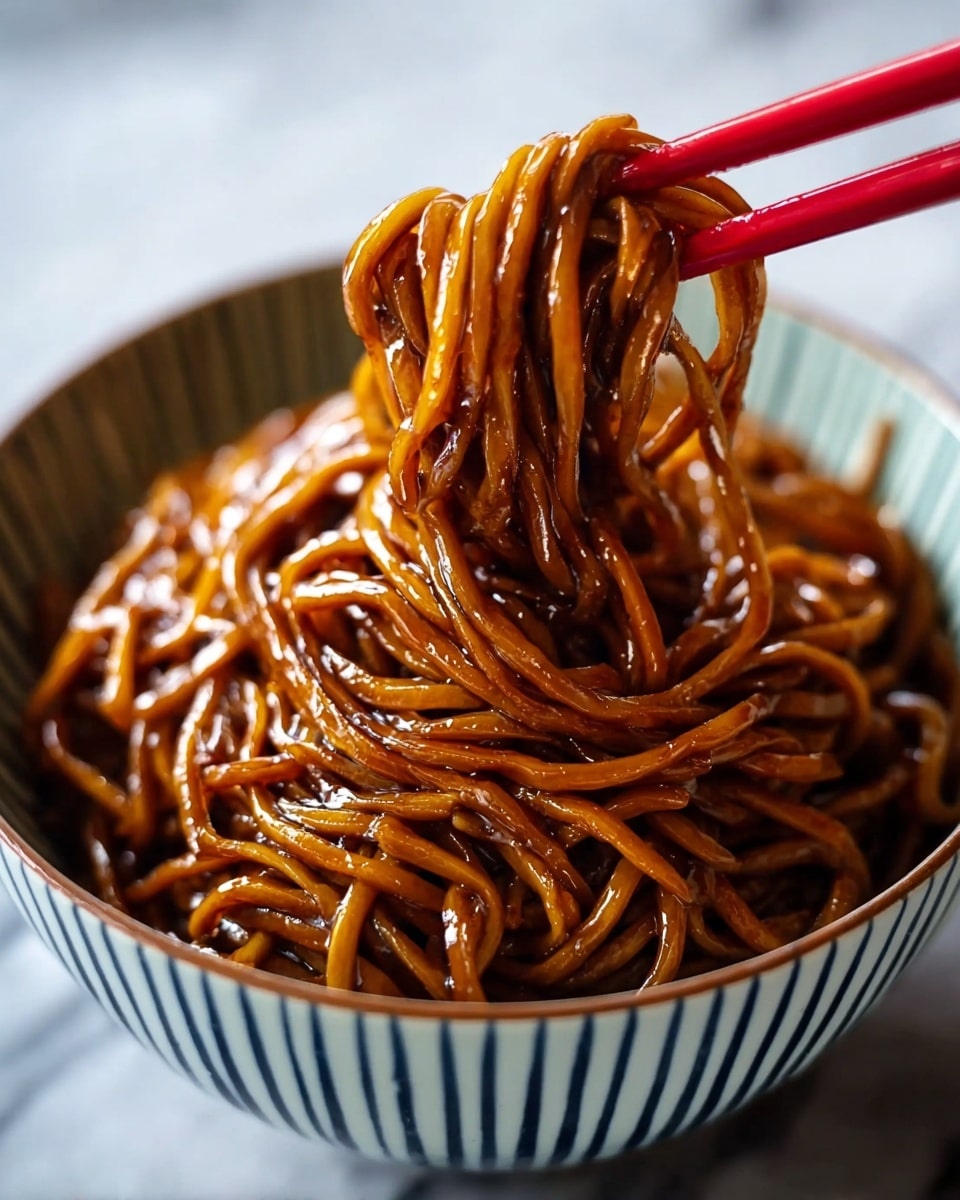
I’m excited to share this Classic Plain Lo Mein Noodles Recipe with you because it’s just the perfect go-to dish when you want something comforting and flavorful without too much fuss. I love how simple ingredients come together to create these silky, saucy noodles that feel both homey and restaurant-quality. Whether you’re whipping up a quick weeknight dinner or want a blank canvas to add your favorite veggies and proteins, this recipe totally delivers.
What I adore is how flexible and forgiving it is. You don’t have to be a noodle pro to get it right, and the sauce strikes the perfect balance—salty, a little sweet, with a hint of umami from oyster sauce that I swear takes it up a notch. Classic Plain Lo Mein Noodles Recipe is definitely worth trying because once you nail the technique, you’ll have a quick, satisfying meal any time you want.
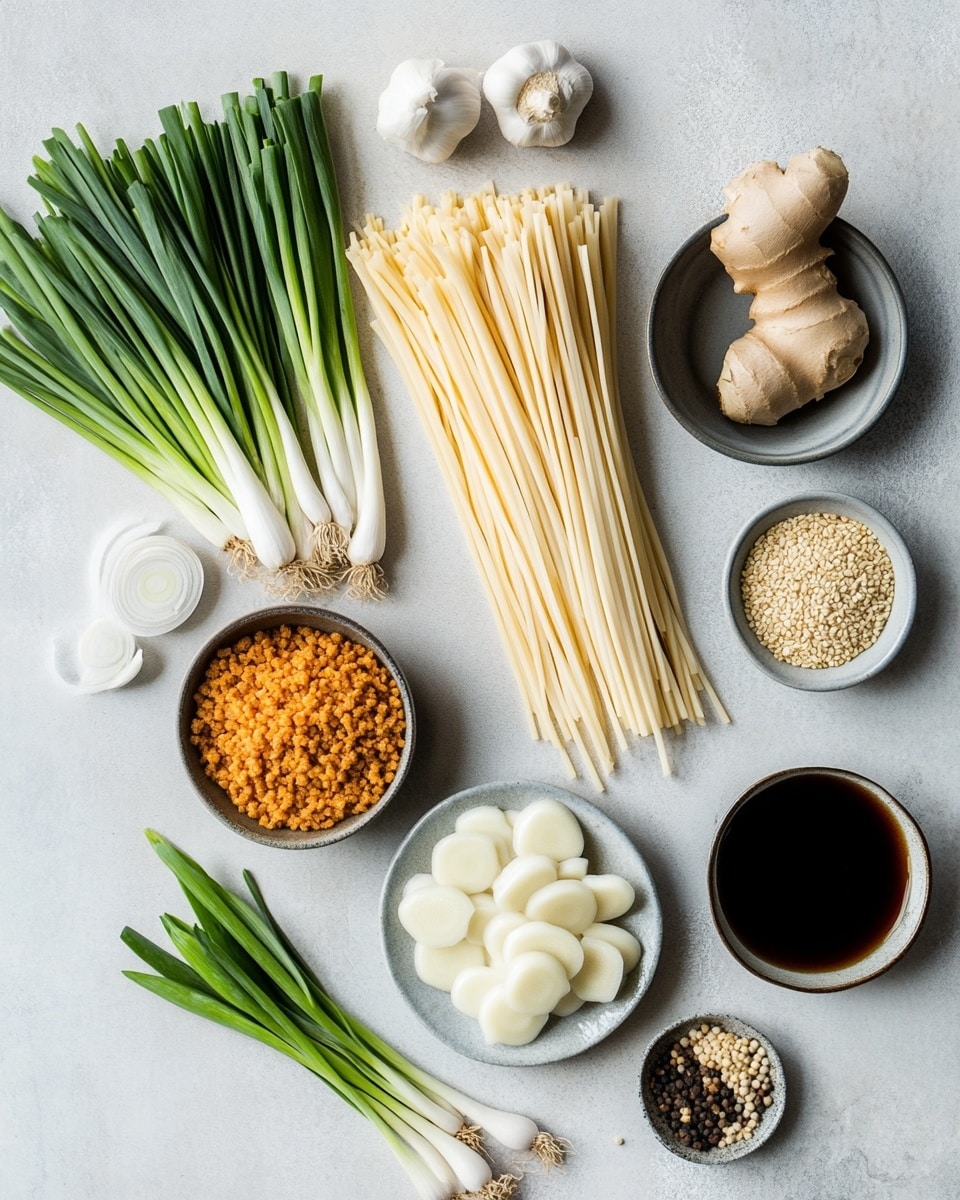
Ingredients You’ll Need
These ingredients work together to create the perfect noodle dish—think tender noodles tossed in a flavor-packed sauce with just the right aromatics. When you shop, fresh lo mein noodles really make a difference, but dried egg noodles work just fine if you cook them carefully.
- Fresh lo mein noodles (or dried egg noodles): Fresh noodles cook faster and have a great texture; if using dried, cook to al dente to avoid mushiness.
- Vegetable oil: Ideal for preventing noodles from sticking and for stir-frying without overpowering flavors.
- Light soy sauce: Adds that classic salty umami foundation to the sauce.
- Dark soy sauce (optional): Gives the noodles a rich color and a deeper soy flavor.
- Oyster sauce (optional but recommended): This adds complex umami and subtle sweetness that really makes the dish sing.
- Granulated sugar: Balances the saltiness and rounds out flavors.
- White pepper: Provides a gentle heat that’s different from black pepper and fits perfectly with Asian flavors.
- Cornstarch: For thickening the sauce to coat the noodles beautifully.
- Water (for slurry): Mix with cornstarch to prevent lumps in your sauce.
- Sesame oil: A little goes a long way in adding that toasty, nutty aroma at the end.
- Garlic: Minced fresh garlic adds irresistible fragrance.
- Fresh ginger: Grated or minced to brighten the dish with a zesty kick.
- Green onions: Using both white and green parts adds depth; white parts for cooking, green parts for freshness as garnish.
Variations
One of the best things about the Classic Plain Lo Mein Noodles Recipe is that you can easily tweak it to suit your mood or whatever’s in your fridge. I often add veggies or proteins, but sometimes I keep it simple and pure—kind of like a cozy noodle hug on a plate.
- Veggie-packed: I love tossing in julienned carrots, snap peas, or bell peppers for crunch and color—perfect for a nutritious boost.
- Protein additions: Shrimp, chicken, or tofu work like a charm to turn this into a full meal. Stir-fry them first, then add the noodles.
- Spicy twist: Adding a pinch of red pepper flakes or a drizzle of chili oil gives the dish a welcome kick, which I sometimes crave.
- Gluten-free: Use gluten-free noodles and tamari in place of soy sauce for a safe and delicious swap.
- Extra flavor: A splash of Shaoxing wine in the sauce adds depth and that authentic restaurant vibe—my secret weapon!
How to Make Classic Plain Lo Mein Noodles Recipe
Step 1: Cook Your Noodles Just Right
Start by bringing a large pot of generously salted water to a rolling boil. Add your fresh lo mein noodles and cook them until just al dente—usually 2-3 minutes for fresh, or 5-7 minutes if you’re using dried egg noodles. Trust me, don’t overcook here or the noodles will turn mushy when you stir-fry later. Drain well, and if using fresh noodles, give them a quick rinse with cold water to stop cooking and prevent sticking. Toss with a tablespoon of vegetable oil so they stay separated and set aside.
Step 2: Whisk Together a Flavorful Perfect Sauce
In a small bowl, combine light soy sauce, dark soy sauce if you’re using it, oyster sauce, sugar, and white pepper. Separately, mix the cornstarch with water to make a slurry—this helps thicken the sauce once it hits the heat. Add the slurry and sesame oil into your sauce mixture and whisk everything until silky smooth. This sauce is pure magic in coating those noodles with flavor.
Step 3: Sauté Aromatics to Build That Fragrance
Heat 2 tablespoons of vegetable oil in a wok or large skillet over medium-high heat until it shimmers. Toss in the minced garlic, grated ginger, and the white parts of your green onions. Stir-fry quickly for about 30 seconds — that moment when the kitchen smells amazing! Be careful not to burn the garlic here; you want bright, fragrant aromatics to infuse the oil.
Step 4: Combine Noodles and Sauce with Expert Tossing
Add the drained noodles straight into the wok, then pour your prepared sauce over. Using tongs or spatulas, toss and stir continuously for 2-3 minutes, ensuring every strand of noodle gets coated in the thickening sauce. This step is key — it heats everything through nicely and helps the sauce cling to the noodles so every bite bursts with flavor.
Step 5: Finish with Fresh Green Onions
Lastly, stir in the green parts of the green onions and toss for another 30 seconds to a minute. They will wilt just a bit but remain bright and fresh, adding a crisp contrast to the rich noodles. Then plate it up while it’s piping hot and enjoy!
How to Serve Classic Plain Lo Mein Noodles Recipe
Garnishes
I usually sprinkle a few toasted sesame seeds or some extra chopped green onions on top for that little visual and textural pop. A drizzle of chili oil if you like a heat boost is another personal fave—it feels so cozy and flavorful. These simple garnishes make the whole dish look and taste just a bit more special without any extra effort.
Side Dishes
I love pairing this Classic Plain Lo Mein Noodles Recipe with some quick stir-fried bok choy or garlic green beans for freshness and crunch. If you want to keep it simple, a side of steamed dumplings or even a light cucumber salad complements the noodles beautifully and rounds out the meal.
Creative Ways to Present
For special occasions, I like serving the lo mein in little individual bowls topped with a soft-boiled egg and some crispy fried shallots for extra texture and flavor. You can also create a noodle bar, letting everyone add their own toppings like sliced scallions, toasted nuts, or chili flakes—always a hit when friends come over!
Make Ahead and Storage
Storing Leftovers
I store leftovers in an airtight container in the fridge and try to eat them within 2 days for the best texture and taste. Before closing the lid, I usually toss the noodles with a little oil so they don’t stick together. It keeps the noodles fresh and ready to reheat without turning into a clumpy mess.
Freezing
Freezing this dish isn’t my favorite option because the noodles can get mushy upon thawing, but if you’re in a pinch, freeze quickly in portioned containers and thaw gently in the fridge overnight. I recommend reheating with a splash of water or broth to bring back some moisture.
Reheating
To reheat, I prefer using a skillet or wok over medium heat. Add a tiny splash of water or broth and toss the noodles until warmed through—this helps loosen the sauce and keeps the texture close to freshly made. Microwave is fine for convenience, but do it in short bursts with stirring in between to avoid drying out.
FAQs
-
Can I use other types of noodles for Classic Plain Lo Mein Noodles Recipe?
Absolutely! While fresh lo mein noodles are ideal for their texture, dried egg noodles, spaghetti, or even chow mein noodles can work. Just be sure to cook them al dente and toss with oil to prevent sticking before stir-frying with the sauce.
-
Is oyster sauce necessary for this recipe?
Oyster sauce isn’t mandatory but highly recommended because it adds a depth of umami richness that elevates the dish. If you’re vegetarian or allergic, you can omit it or substitute with mushroom sauce, but the flavor profile will shift slightly.
-
How do I prevent the noodles from clumping together?
Tossing the noodles right after draining with a little vegetable oil is the best trick to keep them separate. Also, avoid overcooking the noodles because mushy noodles tend to stick more.
-
Can I add vegetables or proteins directly in this recipe?
Definitely! You can stir-fry vegetables like bok choy, carrots, or bell peppers, and proteins such as chicken, shrimp, or tofu before adding noodles and sauce. This way, all flavors meld together perfectly.
-
What’s the best way to reheat leftover lo mein noodles?
Reheating in a skillet or wok over medium heat with a splash of water or broth works best to keep noodles moist and evenly heated. The microwave can dry them out unless you cover and heat in short intervals, stirring in between.
Final Thoughts
This Classic Plain Lo Mein Noodles Recipe has become one of my kitchen staples because it’s so reliable, tasty, and easy to customize. I hope you’ll give it a try and find it as comforting and versatile as I do. Whether you keep it simple or add your favorite extras, it’s a dish that always feels like a little celebration of noodles—warm, saucy, and perfectly comforting. Happy cooking, my friend!
PrintClassic Plain Lo Mein Noodles Recipe
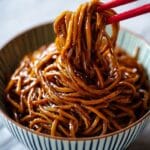
Classic Plain Lo Mein Noodles is a simple yet flavorful Chinese stir-fried noodle dish made with fresh or dried egg noodles tossed in a savory soy-based sauce, enhanced with garlic, ginger, and green onions. This quick and easy recipe results in perfectly coated, tender noodles with a slightly thickened sauce, ideal as a main dish or versatile base for adding vegetables or proteins.
- Prep Time: 15 minutes
- Cook Time: 12 minutes
- Total Time: 27 minutes
- Yield: 4 servings 1x
- Category: Main Dish
- Method: Stovetop
- Cuisine: Chinese
Ingredients
Noodles
- 1 lb fresh lo mein noodles (or 12 oz dried egg noodles, cooked al dente)
Sauce
- 1/4 cup light soy sauce (or regular soy sauce)
- 1 tbsp dark soy sauce (for color, optional)
- 1 tbsp oyster sauce (optional, but highly recommended for flavor)
- 1 tsp granulated sugar
- 1/2 tsp white pepper
- 1 tsp cornstarch
- 2 tbsp water (for cornstarch slurry)
- 1 tsp sesame oil (to add at the end of the sauce)
Cooking
- 1 tbsp vegetable oil (for tossing noodles)
- 2 tbsp vegetable oil (or peanut oil)
- 3 cloves garlic (minced)
- 1 tbsp fresh ginger (grated or minced)
- 2 green onions (sliced, white and green parts separated)
Instructions
- Cook the Noodles: Bring a large pot of generously salted water to a rolling boil. Add the fresh lo mein noodles and cook according to package directions until al dente (usually 2-3 minutes for fresh, 5-7 minutes for dried). Do not overcook to maintain the perfect texture.
- Drain and Oil the Noodles: Drain the noodles thoroughly in a colander. For fresh noodles, quickly rinse with cold water to prevent sticking, then drain well. Toss the drained noodles with 1 tablespoon of vegetable oil to prevent clumping. Set aside.
- Prepare the Sauce: In a small bowl, whisk together light soy sauce, dark soy sauce (if using), oyster sauce (if using), granulated sugar, and white pepper. In a separate small bowl, mix cornstarch and 2 tablespoons of water to create a slurry. Add the slurry and sesame oil to the sauce mixture and whisk until smooth. Set aside.
- Sauté Aromatics: Heat 2 tablespoons of vegetable oil in a large wok or skillet over medium-high heat until shimmering. Add minced garlic, grated ginger, and the white parts of the green onions. Stir-fry for about 30 seconds until fragrant, taking care not to burn the garlic.
- Toss Noodles with Sauce: Add the cooked and oiled noodles to the wok. Pour the prepared sauce over the noodles. Use tongs or spatulas to toss continuously for 2-3 minutes, ensuring even coating and heating. The sauce will thicken slightly as it cooks.
- Add Green Onions: Stir in the green parts of the sliced green onions. Toss for another 30 seconds to 1 minute until the green onions are just wilted but still vibrant.
- Serve: Immediately transfer the Plain Lo Mein Noodles to serving plates and enjoy hot for the best flavor and texture.
Notes
- For richer flavor, add a splash of Shaoxing wine to the sauce mixture.
- To add heat, sprinkle a pinch of red pepper flakes along with garlic and ginger during stir-frying.
- This plain lo mein can be served on its own or as a base for adding stir-fried vegetables or proteins like chicken, beef, or tofu.
Keywords: lo mein, plain lo mein, stir-fried noodles, Chinese noodles, easy lo mein, egg noodles recipe