Apple Cider Braised Pork Shoulder Recipe
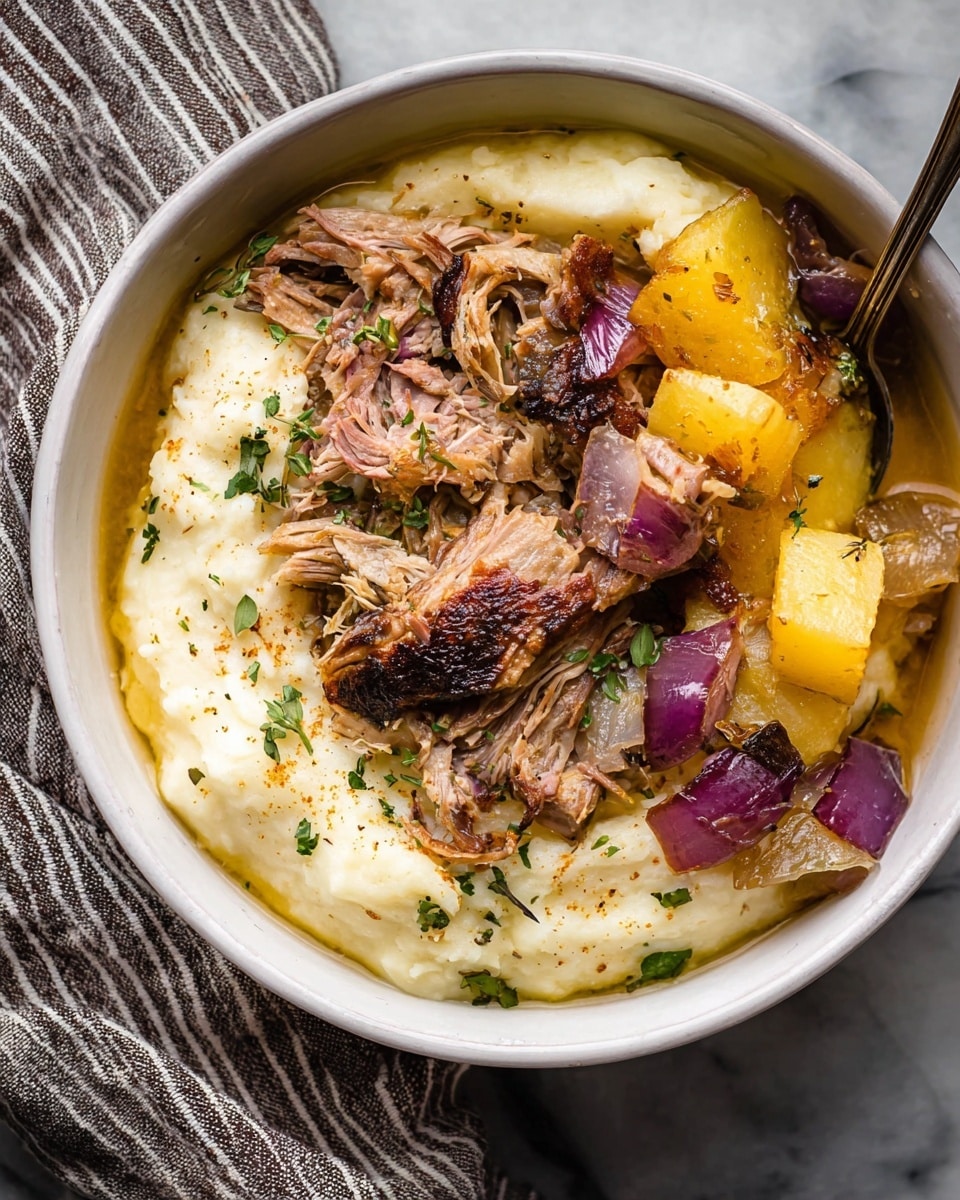
If you’re looking for a comforting dish that fills your kitchen with incredible aromas and fills your belly with tender, savory goodness, this Apple Cider Braised Pork Shoulder Recipe is absolute magic. There’s something about slow-braising pork shoulder in fresh apple cider and fragrant herbs that creates a perfect balance of sweet, tangy, and savory flavors. It’s a dish that feels fancy enough for special gatherings but easy enough for a cozy weekend at home.
I first tried this recipe on a chilly fall afternoon, and it quickly became a favorite in my household. The pork comes out incredibly juicy and tender, practically falling apart, with just the right hint of apple sweetness that brightens every bite. Plus, the best part? It’s a one-pot wonder, meaning less cleanup and the deep flavors develop while you relax or prep your side dishes.
Ingredients You’ll Need
These ingredients work together to create layers of flavor — the apple cider and chicken stock form the braising liquid that keeps the pork succulent, while herbs and aromatics add depth and earthiness. Here’s what I have on hand every time I make this, along with a couple tips to get the best results.
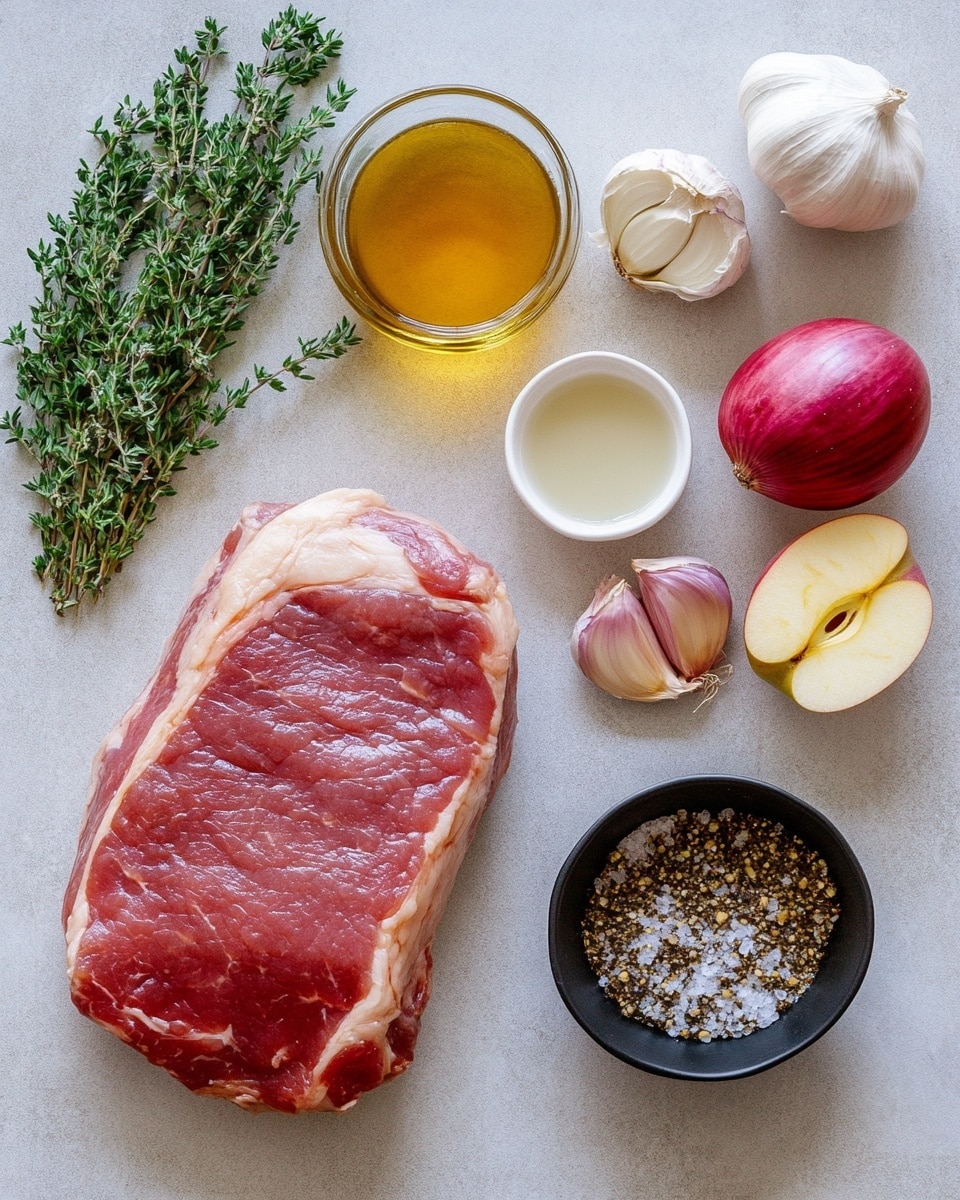
- Pork shoulder roast or Boston butt roast: Choose a 4-5 lb cut with some marbling. I like bone-in for extra flavor, but boneless works perfectly to speed cooking.
- Neutral oil: Something like canola or vegetable oil is best for searing without burning.
- Fresh apple cider: Not cider vinegar—make sure it’s the sweet, fresh apple cider you’d find in the produce section or farmer’s market. It’s key to that bright flavor.
- Chicken stock or broth: Adds savory richness and helps balance the sweetness of the cider.
- Dijon mustard: Gives the braising liquid a subtle tang and complexity. I’ve found it really elevates the depth.
- Dehydrated minced onion: Convenient for adding savory notes without the mess.
- Head of garlic: Slice off the top to let the garlic roast and mellow as it braises with the pork.
- Rosemary and thyme sprigs: Tie them together for easy removal later; these herbs infuse the pork with that classic savory aroma.
- Red onion: Thick slices hold up well during braising and add sweetness.
- Firm, slightly tart apples: I recommend varieties like Honeycrisp, Pink Lady, or Gala. Avoid Granny Smith or softer apples, which tend to disintegrate.
- Kosher salt and freshly cracked black pepper: Don’t skimp here—season the pork really well for the best flavor.
Variations
I love that this Apple Cider Braised Pork Shoulder Recipe invites some fun customizations without losing its soul. You can easily tweak the herbs, swap apples based on what’s in season, or even adjust cooking time for bone-in versus boneless cuts. Let’s talk about a few of my favorite variations.
- Smoky twist: I once added a teaspoon of smoked paprika to the rub, and it added a subtle warmth that paired beautifully with the cider. If you like smoky flavors, give this a try.
- Spicy kick: Throw in a chopped jalapeño or a pinch of red chili flakes to the braising liquid for a gentle heat that wakes up the dish.
- Herbal swaps: Feel free to swap rosemary and thyme for sage or bay leaves if that’s what you have; they also pair nicely with pork.
- Vegetarian option: While this recipe is focused on pork, you could adapt the braising technique with hearty mushrooms and apples for a cozy vegetarian main course.
How to Make Apple Cider Braised Pork Shoulder Recipe
Step 1: Prep and Season Your Pork
Start by trimming any large fat caps off your pork shoulder—it helps prevent an overly greasy dish. If your cut is bone-in, you can leave it whole; otherwise, cutting it into 4 large chunks helps it cook evenly. Pat the pork dry thoroughly—for a great sear, moisture is the enemy! Then season generously on all sides with kosher salt and freshly cracked black pepper. I find that liberal seasoning really brings out the pork’s natural flavors after braising.
Step 2: Sear the Pork Until Golden and Delicious
Heat your neutral oil in a large Dutch oven over medium-high heat. When it’s shimmering hot, carefully place the pork pieces in a single layer. Sear each side for 4-5 minutes until you get a deep, golden-brown crust. This step is worth the time—it locks in flavor and creates a rich fond at the bottom of the pot that adds magic later when you braise. Depending on the size of your pot, you might need to sear in batches to avoid crowding.
Step 3: Whisk Together Braising Liquid and Add Herbs
While your pork is searing, whisk the apple cider, chicken stock, Dijon mustard, and dehydrated minced onion in a bowl. This flavorful liquid will gently tenderize the pork as it cooks low and slow, infusing it with tangy sweetness and savory depth. Tie your rosemary and thyme sprigs together with kitchen twine—this makes retrieval a breeze later. Once the pork is seared, pour the braising liquid into the Dutch oven, nestle the herb bundle and the sliced garlic head alongside the pork.
Step 4: Slow Braise in the Oven
Cover the Dutch oven with a lid and transfer it to a 325°F oven. Braise the pork shoulder for about 3 hours, flipping the pieces halfway through to ensure even cooking. If you’re working with boneless pork, start checking at two and a half hours—the goal is to reach that fork-tender, melt-in-your-mouth texture. As you get close, the meat should be super juicy but not falling apart completely.
Step 5: Add Apples and Onions for the Final 30-45 Minutes
Once your pork is almost tender, remove the pot from the oven and carefully tuck thick slices of red onion and peeled apple wedges around the meat. These add layers of sweetness and texture that complement the savory pork perfectly. Cover and return the pot to the oven for another 30 to 45 minutes. The apples soften without losing shape, and the onions caramelize gently.
Step 6: Rest, Serve, and Savor
Once the pork shoulder is luscious and tender, pull the pot from the oven and let the pork rest in its braising liquid for about 30 minutes. This resting period lets the juices redistribute, keeping every bite juicy. Before serving, squeeze the roasted garlic cloves out of their papery husks into the sauce or directly onto the pork for that mellow garlic hit. Season the braising liquid with salt and pepper to taste, then ladle it generously over the pork, apples, and onions. Trust me, every succulent drop counts here.
How to Serve Apple Cider Braised Pork Shoulder Recipe
Garnishes
I usually keep the garnish simple but fresh—a few sprigs of fresh thyme or rosemary on the plate to echo the braising herbs. Sometimes, I like to add a scattering of chopped flat-leaf parsley to brighten it up just before serving. It adds a lovely pop of color and freshness to balance the rich pork and apples.
Side Dishes
This dish pairs beautifully with creamy mashed potatoes or buttery polenta to soak up all those luscious juices. Roasted root vegetables—think carrots, parsnips, and sweet potatoes—add a cozy, rustic touch. For a lighter side, sautéed greens like Swiss chard or kale tossed with lemon cut the richness perfectly.
Creative Ways to Present
For gatherings, I like to serve the pork shoulder sliced or shredded atop a rustic wooden board surrounded by the braised apples and onions. It turns the meal into a casual, family-style feast where everyone can help themselves. For a more elegant presentation, plating individual portions with a drizzle of reduced braising liquid and a crisp apple slaw on the side makes a striking contrast in textures and flavors.
Make Ahead and Storage
Storing Leftovers
I like to store leftover pork and apples together in an airtight container with some of the braising liquid to keep everything moist. They keep well in the fridge for up to 4 days, which means you get plenty of opportunities for quick lunches or easy dinners.
Freezing
For longer storage, this Apple Cider Braised Pork Shoulder Recipe freezes beautifully. Portion the pork and apples with some braising juices into freezer-safe containers or heavy-duty zip-close bags. Freeze for up to 3 months. I recommend reheating gently to keep the meat tender and juicy.
Reheating
When reheating, I place leftovers in a covered skillet over low heat, adding a splash of broth or water if needed, to keep the pork moist. Stir occasionally and heat gently until warmed through. Avoid microwave reheating if you can—it can dry the meat out. Slow, gentle warming is the key to preserving that tender texture.
FAQs
-
Can I use apple cider vinegar instead of fresh apple cider?
No, apple cider vinegar is much more acidic and would overpower the dish. Fresh apple cider brings natural sweetness and fruitiness that balances the pork perfectly. Stick with fresh apple cider for the best flavor.
-
Do I have to use a Dutch oven for this recipe?
A Dutch oven is ideal because it retains heat well and can go from stovetop to oven easily, but you can substitute with a heavy, oven-safe pot or even a deep roasting pan covered tightly with foil. Just make sure it’s ovenproof and holds liquid securely.
-
How do I know when the pork shoulder is done?
Look for fork-tender meat that almost falls apart with gentle pressure. The internal temperature should be about 190°F to 205°F for tender braised pork, but don’t rely solely on a thermometer—texture is your best gauge here.
-
Can I make this recipe a day ahead?
Absolutely! In fact, the flavors often deepen after resting overnight in the refrigerator. Reheat gently the next day for a delicious, stress-free meal.
- What apples work best for this recipe?
Choose firm, slightly tart apples like Honeycrisp, Pink Lady, or Gala. They hold their shape well during braising and add a perfect balance of sweetness and acidity to the pork. Avoid softer apples like Golden Delicious or Granny Smith that tend to break down too much.
Final Thoughts
This Apple Cider Braised Pork Shoulder Recipe has become one of my go-to comfort meals for fall and winter evenings. It delivers rich, succulent pork with a brightness from the apples and herbs that’s absolutely irresistible. Whether you’re cooking for family, friends, or just treating yourself, it’s that kind of dish that warms you up, fills the house with cozy aromas, and tastes like slow-cooked love. I hope you enjoy making it as much as I do!
PrintApple Cider Braised Pork Shoulder Recipe

This Apple Cider Braised Pork Shoulder recipe features tender, flavorful pork slowly cooked in a savory braising liquid of fresh apple cider, chicken broth, Dijon mustard, and aromatic herbs. The pork is seared to develop a deep crust, then braised in the oven until fork-tender, with apples and onions added toward the end for a perfect balance of sweet and savory. This comforting dish is ideal for a hearty family meal and showcases the delicious pairing of pork and apples.
- Prep Time: 20 minutes
- Cook Time: 3 hours 45 minutes
- Total Time: 4 hours 5 minutes
- Yield: 6 servings 1x
- Category: Main Course
- Method: Braising
- Cuisine: American
Ingredients
Meat
- 4–5 lb pork shoulder roast or Boston butt roast
Liquids & Condiments
- 2 tablespoons neutral oil (such as canola or vegetable oil)
- 2 cups fresh apple cider (not apple cider vinegar)
- 2 cups chicken stock or broth
- 2 tablespoons Dijon mustard
Herbs & Aromatics
- 1 tablespoon dehydrated minced onion
- 1 head of garlic, top sliced off opposite of the root end
- 3 rosemary sprigs
- 4 thyme sprigs
Produce
- 1 red onion, cut into thick slices
- 2 firm and slightly tart apples (such as Honeycrisp, Pink Lady, or Gala), peeled and cut into wedges
Seasonings
- Kosher salt
- Freshly cracked black pepper
Instructions
- Preheat the Oven: Set your oven to 325°F (163°C) to prepare for slow braising.
- Prepare the Pork: Trim any large excess fat from the pork shoulder. Cut into four large pieces if boneless or leave whole if bone-in.
- Season the Pork: Pat the pork pieces dry with paper towels and generously season all sides with kosher salt and freshly cracked black pepper.
- Sear the Pork: Heat neutral oil in a large Dutch oven over medium-high heat. When hot, add pork pieces in a single layer and sear for 4-5 minutes on each side until deeply browned, repeating on all sides. Sear in batches if necessary.
- Make Braising Liquid & Herb Bundle: Whisk together apple cider, chicken stock, Dijon mustard, and dehydrated minced onion in a bowl. Tie rosemary and thyme sprigs together with kitchen twine to form a bouquet garni.
- Begin Braising: Pour the braising liquid into the Dutch oven with the seared pork. Add the bouquet garni and the sliced garlic head. Cover and transfer the pot to the oven.
- Braise the Pork: Cook for about 3 hours, checking for tenderness starting at 2.5 hours for boneless cuts. Flip the pork halfway through cooking for even braising. The pork should be nearly fork-tender when ready for the next step.
- Add Apples and Onions: Remove the pot from the oven. Arrange thick slices of red onion and peeled apple wedges around the pork. Cover and return to the oven for an additional 30-45 minutes until the pork is very tender.
- Rest and Serve: Remove the pork from the oven and let it rest in the braising liquid for 30 minutes. Squeeze the softened garlic cloves from their husk into the broth or directly over the pork before serving. Season the braising liquid with salt and pepper to taste and spoon the juices over the pork, apples, and onions when plating.
Notes
- For guidance on using boneless versus bone-in pork shoulder, refer to detailed advice in the accompanying blog post.
- If your pork has a particularly thick or fatty cap, consider trimming excess fat before searing to avoid overly greasy results.
- Choose firm, slightly tart apples such as Honeycrisp, Pink Lady, or Gala for best texture during braising; avoid Granny Smith, Red Delicious, or Golden Delicious as they tend to become mushy.
Keywords: apple cider pork shoulder, braised pork, slow cooked pork, autumn recipe, pork with apples, Dutch oven pork, comfort food pork recipe