Cantonese Chow Mein Recipe
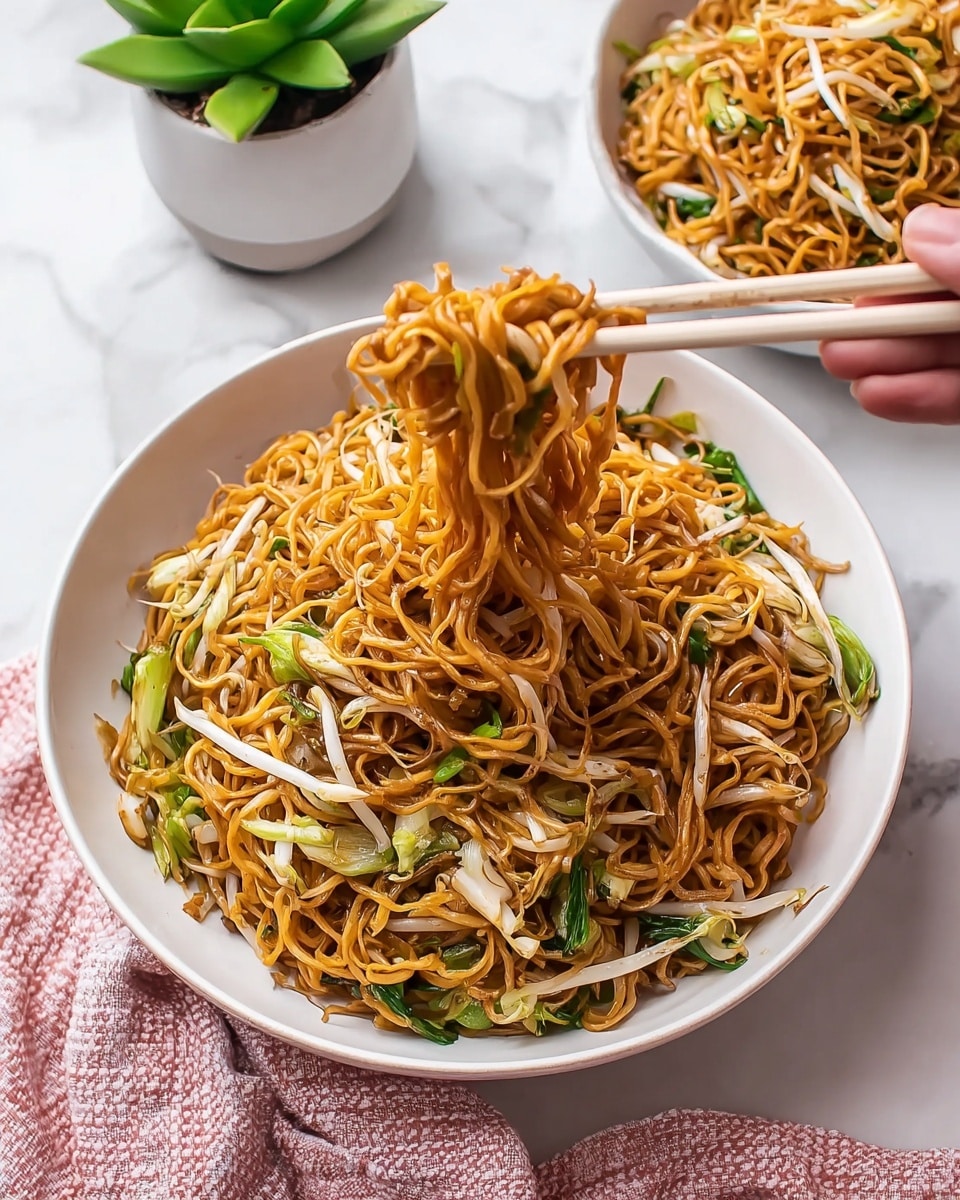
If you’ve ever craved that perfect takeaway but wanted to make it fresh and your own, this Cantonese Chow Mein Recipe is exactly what you need. It’s got that classic balance of tender, slightly crispy egg noodles with just the right amount of savory sauce, fresh bean sprouts, and fragrant green onions. I love how it comes together quickly, making it a great midweek dinner that feels a bit special without much fuss.
What really sets this Cantonese Chow Mein Recipe apart for me is the simplicity of the ingredients and the way the stir-fry sauce brings everything alive with a deep umami flavor. Whether you’re cooking for yourself or feeding a hungry crowd, I promise you’ll find it hits the spot every single time.
Ingredients You’ll Need
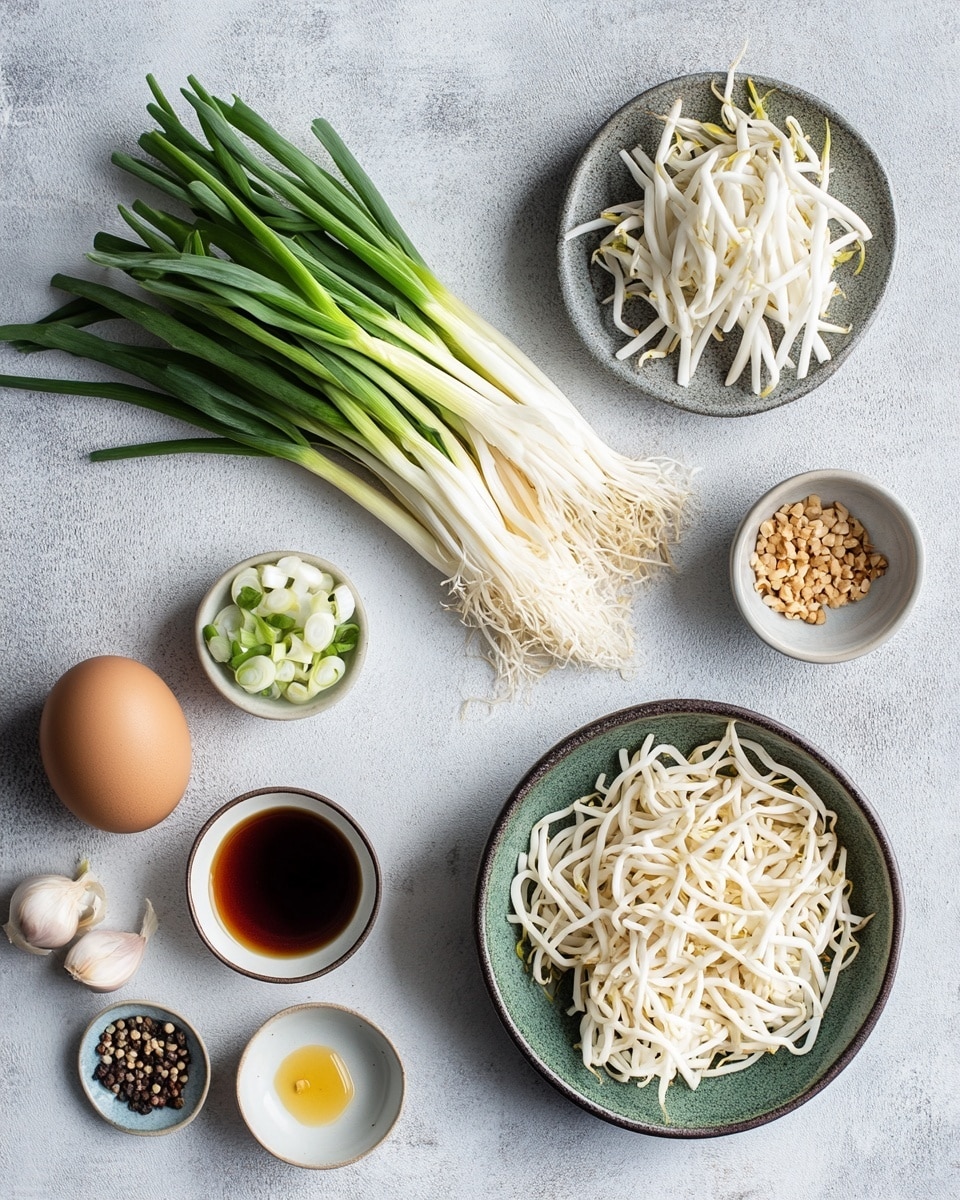
Each ingredient in this recipe plays a crucial role, and together they create that authentic Cantonese flavor that’s both satisfying and fresh. When shopping, look for fresh Hong Kong-style egg noodles in the refrigerated section or Asian markets for the best texture, and don’t skimp on fresh green onions and bean sprouts—they add amazing crunch and brightness.
- Chow mein egg noodles: Fresh Hong Kong-style noodles work best for that ideal chewy texture; avoid dried noodles if possible.
- Yellow onion: Thin slices add a subtle sweetness and gentle bite, balancing the savory sauce.
- Green onions: Using both whites and greens provides a layered onion flavor and nice color contrast.
- Bean sprouts: Fresh bean sprouts add crunch and keep the dish light and fresh tasting.
- Corn oil (or neutral oil): This oil has a high smoke point perfect for stir-frying without imparting a heavy flavor.
- Sesame oil: A little goes a long way; it’s added at the end to give that wonderful nutty aroma.
- Dark soy sauce: Adds color and a richer soy flavor to the sauce.
- Regular soy sauce: Brings saltiness and depth without overpowering.
- Oyster sauce: This adds a gorgeous savory sweetness that’s key to authentic Cantonese flavor.
- Fish sauce: Use sparingly — it’s like flavor magic, adding a subtle umami boost.
- Granulated sugar: Balances the salty and savory notes in the sauce perfectly.
- Water: Used to loosen the sauce and help it coat the noodles evenly.
Variations
I’m a big fan of tweaking this Cantonese Chow Mein Recipe based on what’s in season or what I have on hand, and you should feel free to do the same! Don’t hesitate to get creative with veggies or proteins, making it truly your own.
- Add protein: I often toss in thin slices of beef, chicken, or shrimp to make it heartier. It’s a great way to turn this into a full meal if you like.
- Vegetarian twist: Swap oyster sauce with vegetarian mushroom sauce and skip fish sauce to keep it fully plant-based.
- Extra veggies: Bell peppers, snap peas, or shredded cabbage are fantastic additions for more crunch and color.
- Spicy kick: If you like heat, a dash of chili oil or fresh sliced chilies adds a nice zing.
How to Make Cantonese Chow Mein Recipe
Step 1: Prep Your Ingredients and Sauce
Start by thinly slicing your yellow onion and cutting the green onions into 2-inch pieces, separating the white parts from the green. Rinse your bean sprouts briefly and set them aside. In a small bowl, whisk together all your sauce ingredients — dark soy, regular soy, oyster sauce, fish sauce, sugar, and water — until the sugar dissolves. This way, everything is ready to go once the wok heats up.
Step 2: Cook the Noodles Just Right
Fresh chow mein noodles need just a quick dip in boiling water or a brief stir in hot oil to separate them and soften slightly. I like to blanch them for about 30 seconds in boiling water, then drain well and toss with a tiny splash of oil to keep them from sticking. If you’re using dried noodles, make sure to follow package directions carefully so they don’t get mushy during stir-fry.
Step 3: Stir-Fry Aromatics and Vegetables
Heat your wok or large skillet over high heat, then swirl in the corn oil. Toss in the white parts of your green onions and sliced yellow onion, stirring quickly for about 30 seconds until fragrant and slightly softened. Add bean sprouts and cook for just 1 minute — they should stay crunchy, so don’t overdo it!
Step 4: Combine Noodles and Sauce
Add your prepared noodles to the wok and pour the sauce over everything. Keep the heat high and toss rapidly to coat noodles evenly and heat through — about 2-3 minutes. This is when you’ll see the magic happen as the noodles soak up all those rich flavors. Just before finishing, drizzle in the sesame oil and toss one last time.
How to Serve Cantonese Chow Mein Recipe
Garnishes
I’m a sucker for a little extra crunch and brightness when serving this dish. I like to sprinkle freshly chopped green onion greens over the top for color, and sometimes a few toasted sesame seeds. A wedge of lime on the side is also a lovely touch—it adds a fresh zing that cuts through the savory richness.
Side Dishes
When I serve Cantonese Chow Mein Recipe, I like pairing it with simple sides like steamed bok choy or a light Asian cucumber salad. Egg drop soup or hot and sour soup also complement it perfectly if you want to go full restaurant style at home.
Creative Ways to Present
For special occasions, I’ve plated this chow mein in shallow bowls garnished with edible flowers or sliced chili rings for a pop of color. You can even nestle the noodles into steamed lettuce cups for a fun twist that’s easy to eat finger-style.
Make Ahead and Storage
Storing Leftovers
If you have leftovers (and let’s be honest, there usually are), store them in an airtight container in the fridge. I find they keep well for up to 2 days without losing much texture, but you’ll want to reheat carefully to avoid soggy noodles.
Freezing
Freezing cooked chow mein isn’t my favorite because the noodles can get mushy after thawing, but if you want to, freeze in a flat airtight container so it reheats more evenly. Defrost overnight in the fridge for best results.
Reheating
I recommend reheating Cantonese Chow Mein Recipe in a hot skillet or wok with a splash of oil over medium-high heat, tossing frequently. This helps to re-crisp the noodles a bit and prevents them from turning too soggy. Microwaving tends to make it a little limp, so I save that for emergencies.
FAQs
-
Can I use dried chow mein noodles for this recipe?
Yes, you can use dried chow mein noodles, but be sure to cook them according to the package directions just until al dente to avoid mushy noodles once stir-fried. Also, rinse them under cold water afterward to stop cooking and prevent sticking.
-
What’s the best oil to use for stir-frying Cantonese Chow Mein?
A neutral oil with a high smoke point, like corn oil or vegetable oil, is ideal for stir-frying to get that quick, hot sear. Finish with a touch of sesame oil for that signature nutty aroma.
-
How do I prevent my noodles from sticking together?
After cooking, toss your noodles with a little oil and keep them separate before stir-frying. Also, stir-fry on high heat quickly, so they don’t clump together. Using fresh noodles helps tremendously too!
-
Can I make this recipe vegetarian?
Absolutely! Replace oyster sauce with a vegetarian mushroom soy sauce, skip the fish sauce, and use vegetable broth or water if needed. It still tastes delicious and authentic.
-
How long does Cantonese Chow Mein stay good after cooking?
Stored properly in the fridge, it’s best eaten within 2 days for optimal texture and flavor. Leftovers beyond that might lose their crispness and freshness.
Final Thoughts
This Cantonese Chow Mein Recipe holds a special place in my kitchen because it’s the kind of dish that feels comforting and satisfying without demanding hours of prep or obscure ingredients. It’s approachable, delicious, and endlessly adaptable—which means you can make it your own every time. I hope you give it a try and enjoy all the vibrant flavors and textures that make Cantonese chow mein a beloved classic worldwide!
PrintCantonese Chow Mein Recipe
Traditional Cantonese Chow Mein featuring thin Hong Kong-style egg noodles stir-fried with fresh vegetables and a savory blend of soy and oyster sauces, delivering a perfect balance of flavors and textures in every bite.
- Prep Time: 10 minutes
- Cook Time: 10 minutes
- Total Time: 20 minutes
- Yield: 4 servings 1x
- Category: Main Course
- Method: Stir Frying
- Cuisine: Cantonese
Ingredients
Noodles and Vegetables
- 12 oz chow mein egg noodles, thin fresh noodles, Hong-Kong style
- ½ small yellow onion, thinly sliced
- 5 stalks green onions, cut into 2-inch pieces (whites and greens divided)
- 2 cups bean sprouts
Oils
- 3 tablespoons corn oil or any neutral oil
- 1 teaspoon sesame oil (to finish)
Stir Fry Sauce
- 2 tablespoons dark soy sauce
- 1 tablespoon regular soy sauce
- 1 tablespoon oyster sauce
- ½ teaspoon fish sauce
- 1 tablespoon granulated sugar
- 1 tablespoon water
Instructions
- Prepare the Noodles: Bring a large pot of water to a boil and blanch the fresh chow mein egg noodles briefly (about 30 seconds) until just softened. Drain and rinse under cold water to stop the cooking process. Set aside.
- Mix the Stir Fry Sauce: In a small bowl, combine dark soy sauce, regular soy sauce, oyster sauce, fish sauce, granulated sugar, and water. Stir until sugar dissolves completely and set aside.
- Heat the Oil: In a large wok or skillet, heat the corn oil over medium-high heat until shimmering. Add the white parts of the green onions and the thinly sliced yellow onion, stir-frying for about 1-2 minutes until fragrant and slightly softened.
- Add the Noodles: Add the drained chow mein noodles into the wok. Stir-fry quickly to combine and heat through for about 2 minutes, ensuring the noodles do not stick.
- Add Bean Sprouts and Sauce: Toss in the bean sprouts and pour the prepared stir fry sauce over the noodles and vegetables. Stir-fry everything together for another 1-2 minutes until evenly coated and heated through.
- Finish with Sesame Oil and Green Onion Greens: Drizzle the teaspoon of sesame oil and add the green parts of the green onions. Give a final quick toss then remove from heat.
- Serve: Transfer the chow mein to a serving dish and enjoy immediately while hot and flavorful.
Notes
- Using fresh Hong Kong-style egg noodles gives the authentic chew and texture distinctive of Cantonese chow mein.
- If fresh noodles are unavailable, dried thin egg noodles can be substituted but adjust blanching times accordingly.
- Stir-frying on high heat is critical to achieving the signature slightly crisp and separate noodles.
- Feel free to add protein such as sliced chicken, beef, or shrimp for a more substantial meal.
- Adjust the amount of sugar and soy sauces based on your preferred taste balance between sweet and salty.
Keywords: Cantonese Chow Mein, Stir Fry Noodles, Hong Kong Noodles, Chinese Stir Fry, Egg Noodles Recipe