Pastel de Nata Recipe (Portuguese Custard Tarts) Recipe
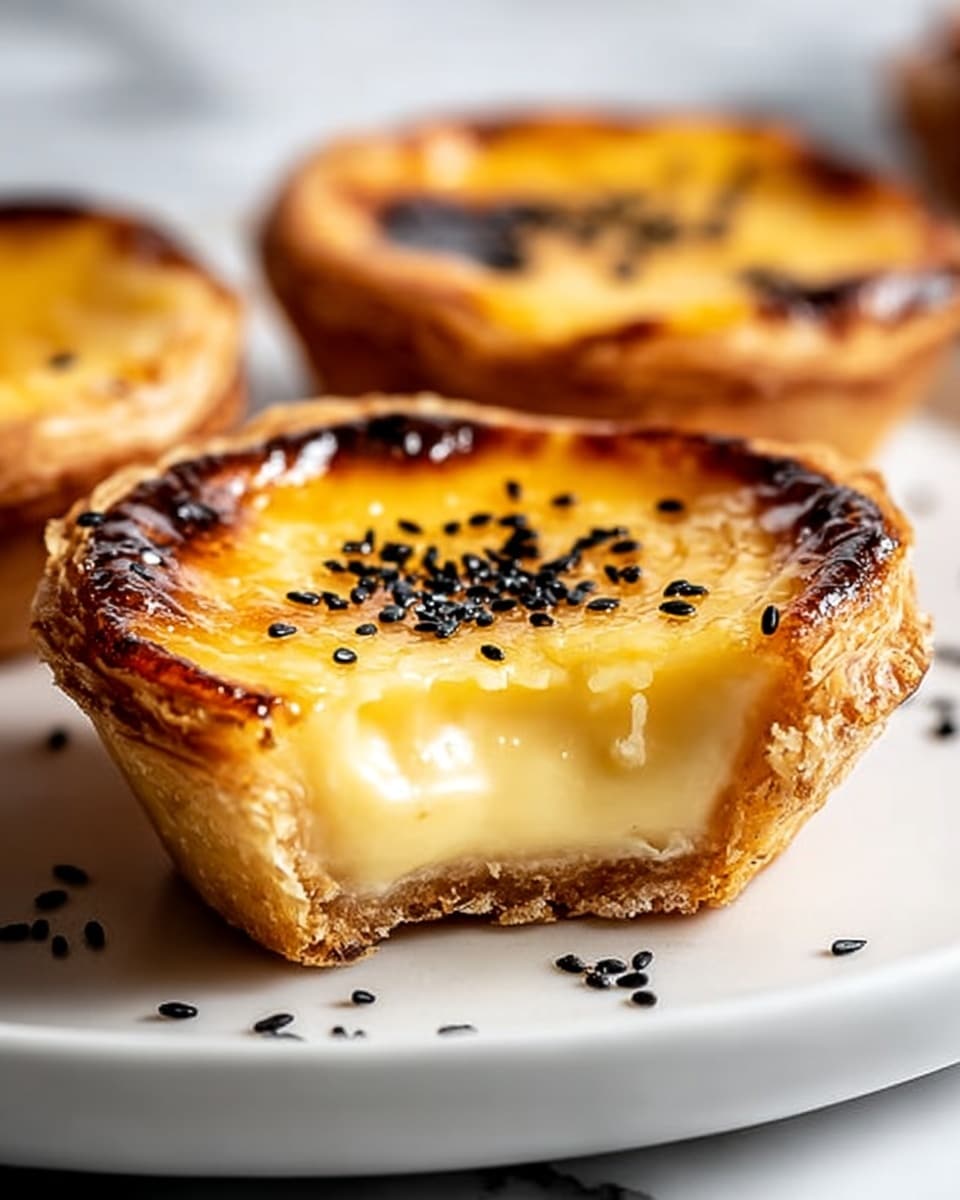
If you’ve ever wandered through Lisbon’s charming streets and caught a whiff of those heavenly, caramelized custard tarts, you know why the Pastel de Nata Recipe (Portuguese Custard Tarts) Recipe is so adored. These little pastries boast a perfectly flaky crust paired with a creamy, slightly caramelized custard that hits a sweet spot between silky and rich. Believe me, once you try making this recipe at home, you’ll appreciate just how impressive and special these little tarts are, especially when fresh out of the oven.
Whether you’re whipping these up for a casual brunch or a cozy afternoon treat with coffee, this Pastel de Nata Recipe (Portuguese Custard Tarts) Recipe never fails to bring smiles to the table. Plus, there’s something deeply satisfying about coaxing that perfect caramelized top right in your own kitchen. So, if you love baking or just want to surprise your friends with something authentically Portuguese, this recipe is your go-to!
Ingredients You’ll Need
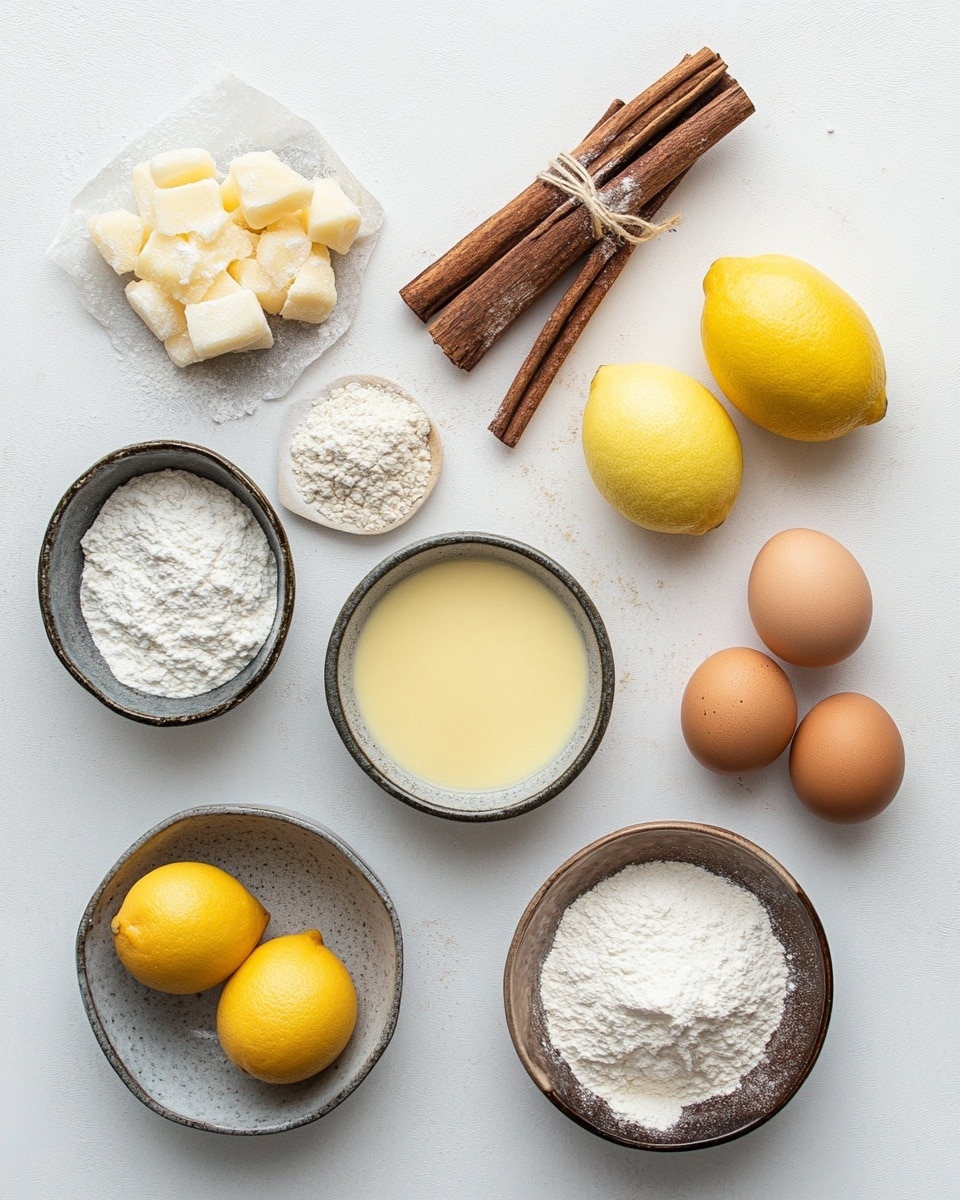
Every ingredient in this Pastel de Nata Recipe (Portuguese Custard Tarts) Recipe works harmoniously to give you that iconic texture and flavor. Using simple pantry staples means this recipe is pretty accessible, so don’t fret if you haven’t made custard tarts before.
- Frozen puff pastry: Look for a good-quality sheet, thawed properly to work easily without tearing.
- Flour: For dusting your surface so the pastry rolls out smoothly without sticking.
- Granulated sugar: Essential for the sweet custard base and helps create that lovely caramelized crust on top.
- All-purpose flour: Acts as a thickener for the custard—don’t skip it.
- Whole milk: Using whole milk gives the custard its creamy richness that’s hard to beat.
- Cinnamon stick: Adds warmth and a subtle spicy depth to the custard while it cooks.
- Lemon peel: Make sure to only take the zest, avoiding white pith, which can bring bitterness. This adds a fresh citrus note that balances the sweetness.
- Large egg yolks: These are the stars, giving that custard its creamy texture and golden hue.
- Ground cinnamon and powdered sugar (optional): Lovely for dusting just before serving, bringing extra nostalgia and flavor.
Variations
I like to keep the core of this Pastel de Nata Recipe (Portuguese Custard Tarts) Recipe classic but sometimes enjoy playing with flavors or dietary tweaks depending on who’s coming over. Feel free to make it your own!
- Variation – Vegan version: I’ve tried making it with coconut milk and a flax egg substitute. The texture changes a bit, but it’s still tasty and perfect if you’re dairy-free.
- Variation – Spiced custard: Adding a pinch of nutmeg or even cardamom alongside the cinnamon stick adds an exciting twist I sometimes do around the holidays.
- Variation – Mini tartlets: I once made bite-sized versions for a party appetizer tray—everyone loved the delicate size and the fun presentation.
How to Make Pastel de Nata Recipe (Portuguese Custard Tarts) Recipe
Step 1: Prepare Your Pastry Base
Start by rolling out your thawed puff pastry on a lightly floured surface. You want it thin enough to create those beautiful crispy layers but not so thin it tears when you pop it into the muffin tins. I usually give it a gentle stretch after rolling to perfect the size. Then, carefully press the pastry into buttered tartlet pans or a muffin tin. This sets the stage for that flaky shell that’s signature to the Pastel de Nata Recipe (Portuguese Custard Tarts) Recipe.
Step 2: Make the Custard Filling
In a saucepan, whisk together granulated sugar and flour until smooth. Then gradually add in the whole milk, stirring constantly to avoid lumps. Add the cinnamon stick and lemon peel to infuse lovely flavors. Heat this gently until it thickens into a creamy pudding-like texture. Remove from heat and fish out the cinnamon stick and lemon peel. Let it cool slightly before whisking in the egg yolks one at a time—this step ensures your custard stays silky and doesn’t scramble.
Step 3: Assemble and Bake
Pour the custard mixture into the prepared pastry shells, filling them nearly to the brim. Pop them into a preheated oven at a high temperature—around 475°F (245°C). This high heat is essential to getting that blistered, caramelized top that makes these tarts so irresistible. Bake for about 15-20 minutes, but keep an eye on them as ovens vary. The custard should be just set with brown spots forming on the surface.
How to Serve Pastel de Nata Recipe (Portuguese Custard Tarts) Recipe
Garnishes
I love dusting these tarts lightly with powdered sugar and a sprinkle of ground cinnamon right before serving—it enhances the flavor and adds a nostalgic, cozy vibe. If you want to get fancy, a tiny twist of fresh lemon zest on top brightens things up beautifully.
Side Dishes
These custard tarts are delicious on their own, but I often pair them with a fresh fruit salad or a dollop of whipped cream for an extra touch of indulgence. A robust espresso or a rich black coffee is simply the perfect companion, capturing the café culture vibe right at your table.
Creative Ways to Present
For special occasions, I like arranging Pastel de Nata Recipe (Portuguese Custard Tarts) Recipe on a pretty cake stand, surrounded by cinnamon sticks and lemon slices for an Instagram-worthy display. Another fun idea is serving the tarts alongside mini jam jars or honey pots, letting guests customize their sweetness and enjoy a bit of creativity.
Make Ahead and Storage
Storing Leftovers
If you have any leftovers (which can be rare!), I keep them in an airtight container at room temperature if I plan to eat them the same day. For up to two days, the refrigerator works fine, but I like to bring them back to room temp or warm them briefly to revive their crispness.
Freezing
I’ve frozen these tarts once or twice by wrapping them individually in plastic wrap and placing them in a freezer-safe bag. When thawed, they lose a bit of their flaky charm but still taste delightful—great for saving time if you want a stash on hand.
Reheating
To warm leftovers, I pop them in a preheated oven at 350°F (175°C) for about 5-7 minutes. This helps crisp the shell back up and warms the custard without drying it out. Avoid microwaving if you can; it tends to make the pastry soggy.
FAQs
-
Can I make Pastel de Nata from scratch without puff pastry?
While traditional Pastel de Nata uses puff pastry for that crisp, flaky texture, you could try homemade puff pastry if you’re up for it, but it’s a bit more labor-intensive. Using store-bought puff pastry saves time and delivers delicious results without the fuss.
-
How do I prevent the custard from cracking?
Keep an eye on baking time and temperature. Baking at a high temperature helps caramelize the top but don’t overbake, or your custard might crack and get rubbery. Removing the tarts from the oven as soon as the custard is just set is key.
- What’s the best way to zest the lemon for this recipe?
Use a vegetable peeler or a fine grater to take off only the outer yellow skin, avoiding the bitter white pith underneath. This adds fresh citrus aroma without unwanted bitterness.
- Can I make the custard ahead of time?
You can prepare the custard a few hours ahead and refrigerate it, but bring it back to room temperature before filling the pastry shells to ensure even baking.
- Why does the top of my Pastel de Nata not get caramelized?
The caramelized spots come from baking at a high temperature and some sugar caramelizing on top. If you’re not seeing the signature brown spots, try increasing your oven temperature slightly or placing the tarts closer to the heating element during the last few minutes.
Final Thoughts
This Pastel de Nata Recipe (Portuguese Custard Tarts) Recipe truly holds a special place in my heart—not just because of its deliciousness, but because it connects me to a warm, sunlit corner of Portugal every time I make it. Sharing these with friends feels like a little culinary tour without leaving home. You’re going to love how doable and rewarding this recipe is, so grab your puff pastry and get started soon. I promise, the first bite’s worth every bit of effort!
PrintPastel de Nata Recipe (Portuguese Custard Tarts) Recipe

Pastel de Nata, the iconic Portuguese custard tart, features a flaky puff pastry shell filled with a rich, creamy custard infused with cinnamon and lemon zest. Perfectly caramelized on top, these tarts are a delightful treat enjoyed warm or at room temperature, dusted with a light sprinkle of cinnamon and powdered sugar.
- Prep Time: 20 minutes
- Cook Time: 15 minutes
- Total Time: 35 minutes
- Yield: 6 tarts 1x
- Category: Dessert
- Method: Baking
- Cuisine: Portuguese
Ingredients
Pastry
- 1 sheet frozen puff pastry, thawed
- Flour for dusting
Custard Filling
- 3/4 cup (150g) granulated sugar
- 1/3 cup (40g) all-purpose flour
- 1 1/4 cups (300ml) whole milk
- 1 cinnamon stick
- Peel from 1 lemon (use a vegetable peeler to avoid the bitter white pith)
- 6 large egg yolks
Serving
- Ground cinnamon for dusting (optional)
- Powdered sugar for dusting (optional)
Instructions
- Prepare the Pastry: Lightly dust your work surface with flour and roll out the thawed puff pastry sheet to smooth any creases. Cut the pastry into rounds slightly larger than your tart tins or muffin molds and gently press them into the molds, ensuring an even lining without tearing.
- Make the Custard Mixture: In a medium saucepan, whisk together the granulated sugar and all-purpose flour until combined. Gradually whisk in the whole milk to create a smooth mixture. Add the cinnamon stick and lemon peel to infuse flavor as you heat the mixture over medium heat, stirring constantly.
- Cook the Custard Base: Continue to cook the milk mixture until it thickens and just begins to bubble, ensuring it does not scorch. Remove from heat and discard the cinnamon stick and lemon peel.
- Temper the Egg Yolks: In a separate bowl, lightly beat the egg yolks. Slowly pour a small amount of the hot milk mixture into the yolks while whisking vigorously to temper them and avoid scrambling. Then, add the tempered yolks back into the saucepan with the remaining milk mixture, stirring continually over low heat until the custard is smooth and creamy. Remove from heat once thickened.
- Fill the Pastry Shells: Pour the custard filling evenly into the prepared puff pastry-lined tart molds, filling almost to the top but leaving a little room to allow for slight bubbling during baking.
- Bake the Tarts: Preheat your oven to 475°F (245°C). Place the filled tart tins on a baking tray and bake for 12-15 minutes. Keep a close eye on them; the custard should develop dark, caramelized spots on top, and the pastry will be crisp and golden.
- Cool and Serve: Remove the tarts from the oven and let them cool in the molds for a few minutes before transferring to a wire rack. Dust with ground cinnamon and powdered sugar if desired, and serve warm or at room temperature.
Notes
- Using a vegetable peeler to remove the lemon peel prevents bitterness from the white pith.
- Ensure the puff pastry is thoroughly thawed for easier handling and better texture.
- Watch the custard closely while baking to achieve the characteristic caramelized top without burning.
- These tarts are best eaten fresh but can be stored in the refrigerator for up to 2 days; reheat briefly before serving.
Keywords: Pastel de Nata, Portuguese custard tarts, puff pastry tarts, cinnamon custard tart, Portuguese dessert