Guyanese Pepperpot Recipe
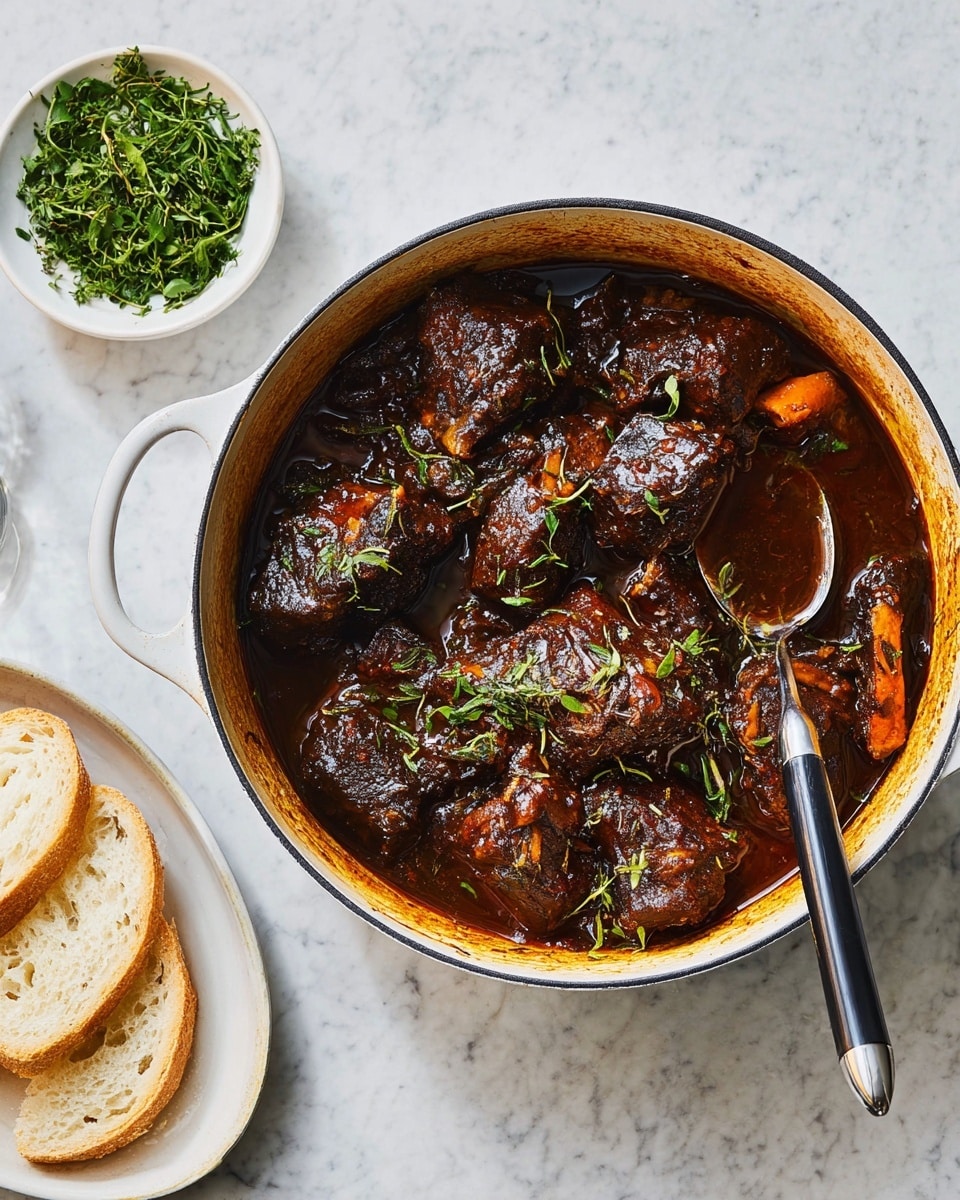
If you’re craving something truly unique with a rich history and deep flavors, this Guyanese Pepperpot Recipe is exactly the kind of dish you want to try. It’s a stew that speaks volumes, combining tender meats with aromatic spices and the almost magical touch of cassareep—a key ingredient that I find adds an unforgettable, dark, smoky sweetness that you just can’t replicate with anything else. Whether you’re making it for a holiday feast or long weekend slow-cooking, this recipe creates a warm, comforting vibe you’ll want to come back to again and again.
Now, the beauty of Guyanese Pepperpot is how it brings people together. I remember the first time I made this dish for a family gathering—watching everyone’s eyes light up as the house filled with the scent of cinnamon, cloves, and fresh thyme. So don’t rush it! This Guyanese Pepperpot Recipe isn’t just about the flavors, but the patience you invest while simmering gently and the joy of sharing a celebration-worthy dish that bursts with character.
Ingredients You’ll Need
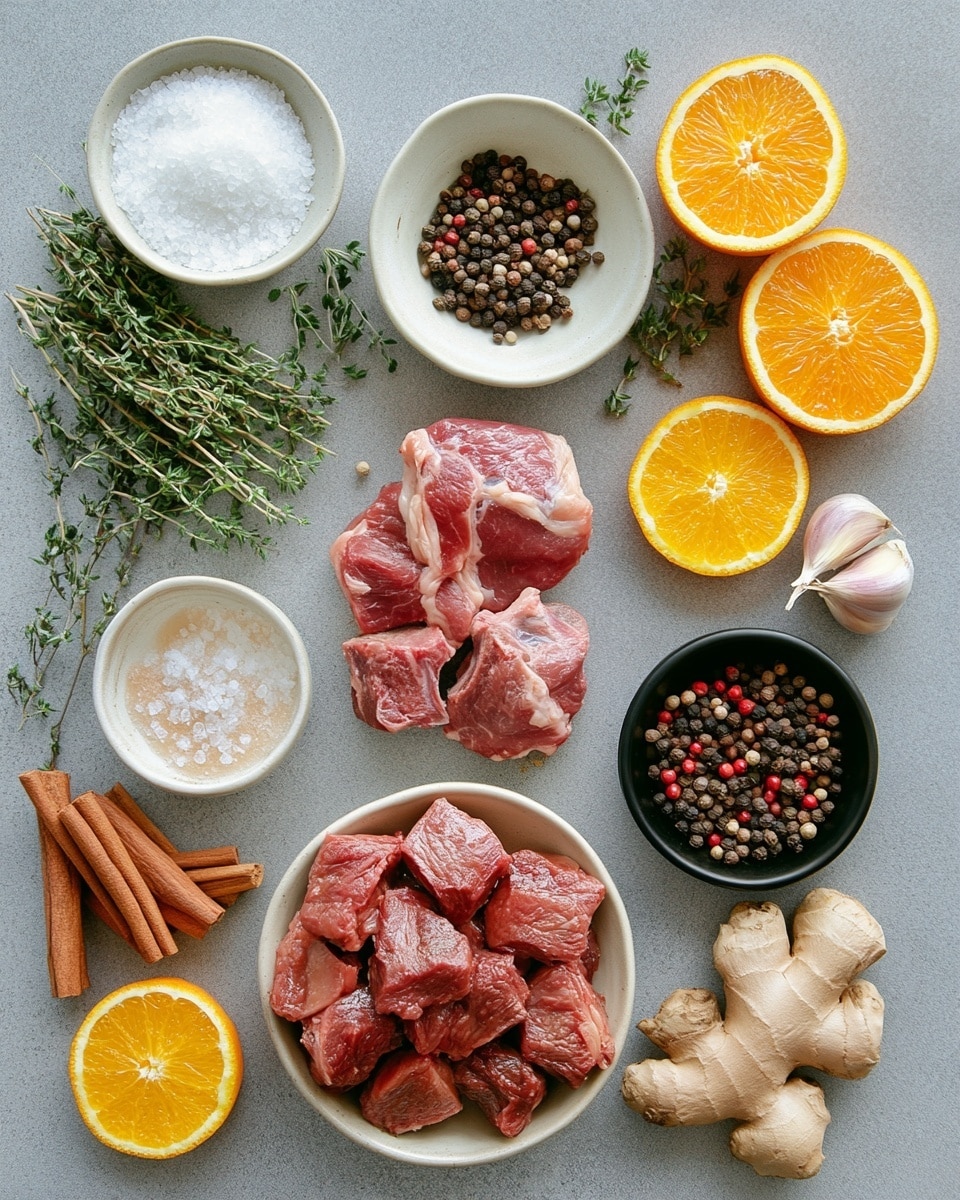
The ingredients here not only layer flavors wonderfully but also stay true to the traditional roots of Guyanese cooking. Getting fresh thyme and wiri wiri peppers can sometimes be a challenge but they’re absolutely worth seeking out if you want that authentic taste. Also, cassareep is a unique ingredient made from cassava juice—it’s essential, so try to find it at Caribbean or specialty stores.
- Cow foot: This adds a gelatinous richness and depth; cut into manageable pieces for even cooking.
- Kosher salt: Helps season the meats properly without overpowering the spices.
- Chicken bouillon: Adds umami notes; split between initial seasoning and cooking stages.
- Cassareep: The heart of pepperpot—its smoky, slightly sweet flavor and dark color defines the stew.
- Fresh thyme: Freshness really makes a difference here; dried won’t quite give the same aroma.
- Whole cloves: Impart warmth and subtle spicy undertones.
- Cinnamon sticks: Infuse the stew with sweet and woody notes.
- Oxtail: Adds a rich beefy flavor and lovely texture when slow-cooked.
- Bone-in beef chuck: Perfect for stews, becoming tender over slow cooking while adding depth.
- Garlic cloves: Finely minced to truly dissolve and perfume the sauce.
- Wiri wiri peppers: Tiny but fiery, they add authentic Caribbean heat—use gloves when handling!
- Light brown sugar: Balances the spices and deepens the sauce’s complexity.
- Fresh ginger: Adds a sharp, zesty warmth after grating fresh.
- Nutmeg: A little sprinkle adds a warm earthiness without overwhelming.
- Orange peel: Just a strip, no white pith, which gives a subtle citrus brightness to the stew.
Variations
One of the best parts about Guyanese Pepperpot Recipe is that you can make it your own, adapting it to what’s in your kitchen or your heat tolerance. I often tweak the pepper quantity depending on who’s coming to dinner. Don’t hesitate to experiment—this stew is forgiving and flexible.
- Milder Version: I sometimes replace wiri wiri peppers with milder chili or remove seeds to tone down the heat for guests.
- Vegetarian-Inspired: While traditionally meaty, you can make a comforting version with mushrooms and root vegetables, using vegetable broth instead of meat.
- Extended Spice Profile: Adding star anise or allspice can bring a new depth, something I tried once during the holidays with great feedback.
- Slow Cooker Option: Love convenience? Setting it all in a slow cooker for 6-8 hours works beautifully and frees you up for other prep.
How to Make Guyanese Pepperpot Recipe
Step 1: Preparing the Meats
Start by chopping the cow foot, oxtail, and beef chuck into uniform pieces. Season them with one teaspoon kosher salt and one teaspoon chicken bouillon—this layering of seasoning helps build flavor right from the start. Give the meat a good toss to evenly coat everything. Pro tip: Removing excess fat from the beef chuck can help keep the stew from getting greasy.
Step 2: Toasting the Spices and Aromatics
In a large, heavy-bottomed pot, lightly toast the cinnamon sticks, whole cloves, and fresh thyme sprigs over medium heat. This wakes up their oils and intensifies their aroma. Then add the minced garlic, grated ginger, and finely grated nutmeg, stirring for about a minute to combine all those beautiful scents before adding your meat.
Step 3: Adding Meat and Cassareep
Add your seasoned meats to the pot along with the cassareep. This is where the magic really begins—cassareep not only flavors but also preserves the Pepperpot, historically allowing it to be enjoyed over several days. Brown the meat gently, letting it soak up all those spices, then pour in water to just cover everything. Bring to a boil, skim off any foam, then reduce to a simmer.
Step 4: Slow Simmering and Finishing Touches
Here’s where patience pays off. Simmer the stew gently for about 3 to 4 hours, uncovered or partially covered, until the meats are tender and the sauce thickens into a luscious, dark gravy. Stir occasionally and add more cassareep or seasoning as needed. Towards the end, stir in the brown sugar, orange peel strip, and remaining chicken bouillon for that perfectly balanced, complex flavor.
How to Serve Guyanese Pepperpot Recipe
Garnishes
I like to finish pepperpot with a fresh sprig of thyme or a few sliced fresh wiri wiri peppers if I want to bring back some heat at the table. Sometimes, a squeeze of fresh lime brightens up the rich sauce just beautifully. These small touches make each bite fresh and exciting.
Side Dishes
Traditionally, Guyanese Pepperpot pairs perfectly with dense foods that soak up the sauce. I usually serve it with homemade bread, like a dense cassava bread or even simple white bread, to dip into that luscious gravy. Some steamed white rice or roasted sweet potatoes are my go-to sides for added comfort and heartiness.
Creative Ways to Present
For special occasions, I’ve served the pepperpot in rustic earthenware bowls and surrounded the plate with fresh orange slices and a sprig of thyme. It adds such a festive, colorful contrast to the deep brown stew and invites guests to dig in. You can also offer a side of sharp pickled vegetables for a lively contrast.
Make Ahead and Storage
Storing Leftovers
I store leftover pepperpot in airtight containers in the fridge, and honestly, the flavors often deepen overnight. Just make sure to cool it completely before sealing it up. It keeps well for 3-4 days, though I rarely last that long without going back for seconds!
Freezing
When I freeze Guyanese Pepperpot Recipe, I portion it in freezer-safe containers and label them clearly. The cassareep helps maintain the sauce’s integrity, so it reheats nicely after freezing. I’ve found it tastes just as good—even a little better—after a few weeks.
Reheating
Reheat leftovers gently on the stove over low heat to avoid toughening the meat. Add a splash of water or broth if the sauce gets too thick. Stir frequently and heat just until warmed through—that way, the flavors stay vibrant and the texture stays tender.
FAQs
-
What is cassareep, and can I substitute it in Guyanese Pepperpot Recipe?
Cassareep is a thick, dark syrup made from the juice of the cassava root, boiled down with spices. It gives pepperpot its smoky, slightly sweet depth and also acts as a natural preservative. Substituting it is tricky since it’s quite unique, but if unavailable, you can experiment with a mix of molasses, soy sauce, and a touch of smoked paprika, though the traditional flavor won’t be quite the same.
-
Can I use other meats besides cow foot and oxtail in this recipe?
Absolutely! While cow foot and oxtail are traditional for their gelatinous texture and rich flavor, you can swap in beef short ribs or shank for a similar effect. Remember to adjust cooking times accordingly, as tougher cuts may require longer simmering.
- How spicy is the traditional Guyanese Pepperpot?
Traditional pepperpot has a noticeable heat thanks to the wiri wiri peppers, which are quite fiery despite their small size. If you prefer milder heat, you can reduce the amount or remove seeds before adding, or substitute with a less spicy pepper.
- Why does Guyanese Pepperpot need to simmer so long?
The long simmering gently breaks down the tough meats, releasing collagen that thickens the sauce and builds rich, complex flavors. Rushing this step often leads to tougher meat and less integrated seasoning.
- Can I prepare Guyanese Pepperpot in advance?
Yes! In fact, waits and flavors improve overnight. You can prepare the stew a day ahead, refrigerate it, and simply reheat when you’re ready to serve. This makes it a perfect recipe for entertaining or busy days.
Final Thoughts
This Guyanese Pepperpot Recipe is truly close to my heart—not just for its layers of flavor but for the conversations and joy it brings around the table. If you’re ready to dive into a stew that’s rich, spicy, and comforting all at once, I promise you’ll be rewarded every step of the way. Don’t be intimidated by the long simmer time; cherish it as part of the experience. Trust me, once you’ve made this, it’ll become a dish you’ll want to share with your own circle of friends and family, season after season.
PrintGuyanese Pepperpot Recipe
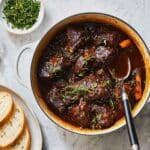
Guyanese Pepperpot is a rich, flavorful, and traditional stew known for its deep, spicy, and aromatic profile. This beloved Caribbean dish features tender cuts of beef and oxtail slow-cooked with cassareep—a special syrup made from cassava juice—along with fragrant spices like cinnamon, cloves, thyme, and the fiery wiri wiri peppers. Perfect for festive occasions or hearty family meals, Pepperpot delivers a unique savory-sweet taste with a hint of heat that highlights Guyanese culinary heritage.
- Prep Time: 30 minutes
- Cook Time: 3 hours 30 minutes
- Total Time: 4 hours
- Yield: 6 servings 1x
- Category: Stew
- Method: Stovetop
- Cuisine: Guyanese
Ingredients
Meat
- 2 pounds (900g) cow foot, cut into roughly 1- by 2-inch pieces
- 1 pound (450g) oxtail with separated joints
- 1 pound (450g) bone-in beef chuck, cut into roughly 2-inch pieces
Seasonings and Spices
- 2 teaspoons (8g) kosher salt, divided
- 2 1/2 teaspoons chicken bouillon, divided
- 21 sprigs fresh thyme, divided
- 24 whole cloves, divided
- 3 cinnamon sticks (about 3 inches each), divided
Additional Flavorings
- 1 1/4 cups (420ml) cassareep, divided
- 6 medium cloves garlic (about 25g), finely minced
- 4 fresh wiri wiri peppers
- 2 tablespoons (24g) light brown sugar
- One 2 1/2–inch knob fresh ginger (about 30g), peeled and grated
- 1/2 of a whole nutmeg (2g), grated
- One 1-inch strip orange peel, trimmed of excess white pith
Instructions
- Prepare the Meats: Rinse and pat dry the cow foot, oxtail, and beef chuck pieces. This ensures they are clean and ready for seasoning and cooking.
- Season the Meat: Sprinkle 1 teaspoon of kosher salt and 1 1/4 teaspoons chicken bouillon over the meat. Rub in the seasoning thoroughly to marinate the flavors into the protein.
- Assemble Spices: Divide the thyme, cloves, and cinnamon sticks into two portions. Reserve half to be added initially and half later to deepen flavor layering during cooking.
- Combine Ingredients: In a large heavy-bottomed pot or Dutch oven, add the meat along with half the thyme sprigs, half the cloves, half the cinnamon sticks, half of the cassareep, minced garlic, grated ginger, grated nutmeg, orange peel, wiri wiri peppers, and light brown sugar.
- Add Liquids and Simmer: Pour enough water into the pot to just cover the meat mixture. Bring the mixture to a boil over medium-high heat, then reduce heat to low to maintain a gentle simmer.
- Slow Cook: Cover the pot and allow the Pepperpot to simmer gently for approximately 3 to 4 hours, stirring occasionally. During the last hour, add the remaining half of the cassareep, thyme, cloves, cinnamon sticks, kosher salt, and chicken bouillon to intensify the flavor.
- Check for Tenderness: The meat, especially the cow foot and oxtail, should become very tender and the broth thickened with a dark, rich color due to the cassareep and spices.
- Adjust Seasonings and Serve: Taste the Pepperpot and adjust seasoning if necessary. Remove the orange peel and any large spice stems before serving. Traditionally, Pepperpot is eaten with dense bread like Guyanese plait bread or rice to enjoy the flavorful sauce.
Notes
- Cow foot is essential in Pepperpot for its gelatinous texture which thickens the stew; substitute with oxtail if unavailable but note the texture difference.
- Wiri wiri peppers are very hot; adjust the quantity according to your preferred heat level or substitute with Scotch bonnet peppers cautiously.
- Cassareep is a unique ingredient made from boiled cassava juice and provides the characteristic flavor and color; it can be found in Caribbean or specialty food stores.
- This dish improves in flavor when reheated the next day as the spices and meat meld further.
- For easier preparation, the meat can be soaked in salted water for a few hours to clean before cooking.
Keywords: Guyanese Pepperpot, Caribbean stew, oxtail stew, cassareep recipe, traditional Guyanese food, spicy beef stew, holiday stew